
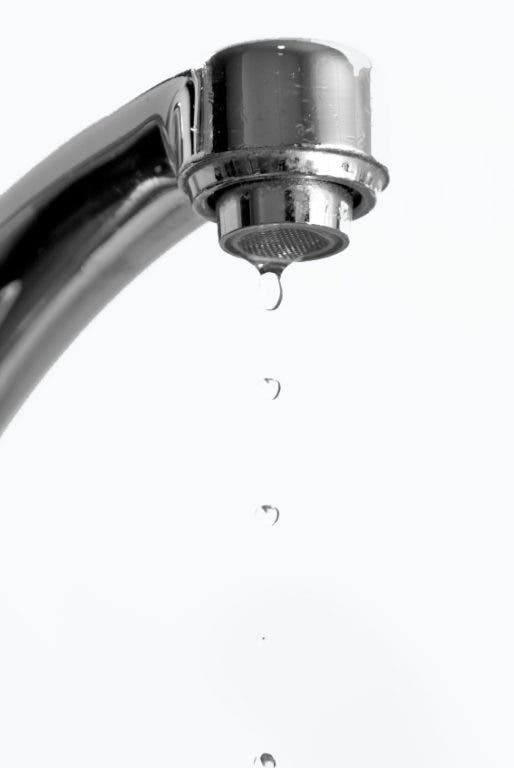
According to the U.S. Environmental Agency, minor water leaks from toilets and dripping faucets account for more than 1 trillion gallons of water wasted each year in U.S. homes.
Even though water sources in some parts of the country are replenished through precipitation, our changing climate, growing population, and ever increasing thirst for water threaten these supplies.
In fact, from 1950 to 2000, our country’s population doubled, but our demand for water more than tripled. Water efficiency allows families to use less water without sacrificing quality of life.
Find out what's happening in Cantonfor free with the latest updates from Patch.
Due to the enormity of the problem of wasted water, the EPA has declared March 18 to 24, 2013, “Fix a Leak Week”, to remind Americans to check household plumbing fixtures and irrigation systems for leaks.
To Check for a Toilet Leak
Find out what's happening in Cantonfor free with the latest updates from Patch.
Place a drop of food coloring in the toilet tank and wait for 15 minutes. If any color shows up in the bowl without flushing first, you have a leak. Leaky toilets are most often the result of an old or worn toilet flapper. The flapper is a rubber piece that opens up to let the water flow from the tank into the bowl when you pull down on the toilet handle. Over time, the flapper can build up minerals, or simply decay. Replacing them can be an easy fix, and parts can be found at most hardware stores.
(Tip: Bring the old flapper to the hardware store to make sure you buy the flapper that fits your toilet model. Don’t forget to turn off the water to the toilet before removing the flapper!)
If the problem is not just an old flapper, and you need to replace a leaky toilet, look for one with the WaterSense label to ensure the most water efficient appliance.
WaterSense labeled products must achieve independent, third-party testing and certification to prove they meet EPA’s criteria for efficiency and performance. Check with the water department, prior to purchase, to make sure that your toilet qualifies for a rebate!
Stop that Drip!
Following are a few ways to identify and repair dripping faucets and leaky showerheads in your home. In most cases, replacement parts can be installed by do-it-yourselfers, and will pay for themselves in no time
•Analyze your water bill. If a family of four exceeds 8,000 gallons per month in the winter, check for leaks!
•Check your water meter before and after a two-hour period when no water is being used. If the meter changes at all, you probably have a leak.
• Old and worn faucet washers and gaskets frequently cause leaks in faucets. Check on-line for video tutorials on how to make this simple fix. If necessary, replace the faucet with a WaterSense labeled model.
• Some leaky showerheads can be fixed by making sure there is a tight connection between the showerhead and the pipe stem, and by using pipe tape or Teflon tape to secure it.
• This spring, check your garden hose for leaks at its connection to the spigot. If it leaks while you run your hose, replace the nylon or rubber hose washer and ensure a tight connection to the spigot using pipe tape and a wrench.
The Sharon Water Department has partnered with the EPA WaterSense Program and the Neponset River Watershed Association to improve awareness and promote water efficiency in town. Residents may be eligible to receive rebates when purchasing water efficient toilets and clothes washers.
Learn more: www.epa.gov/watersense
www.sharonwater.com