Politics & Government
Light Plant Director Retires
Dan Sack served for more than 20 years; made significant accomplishments
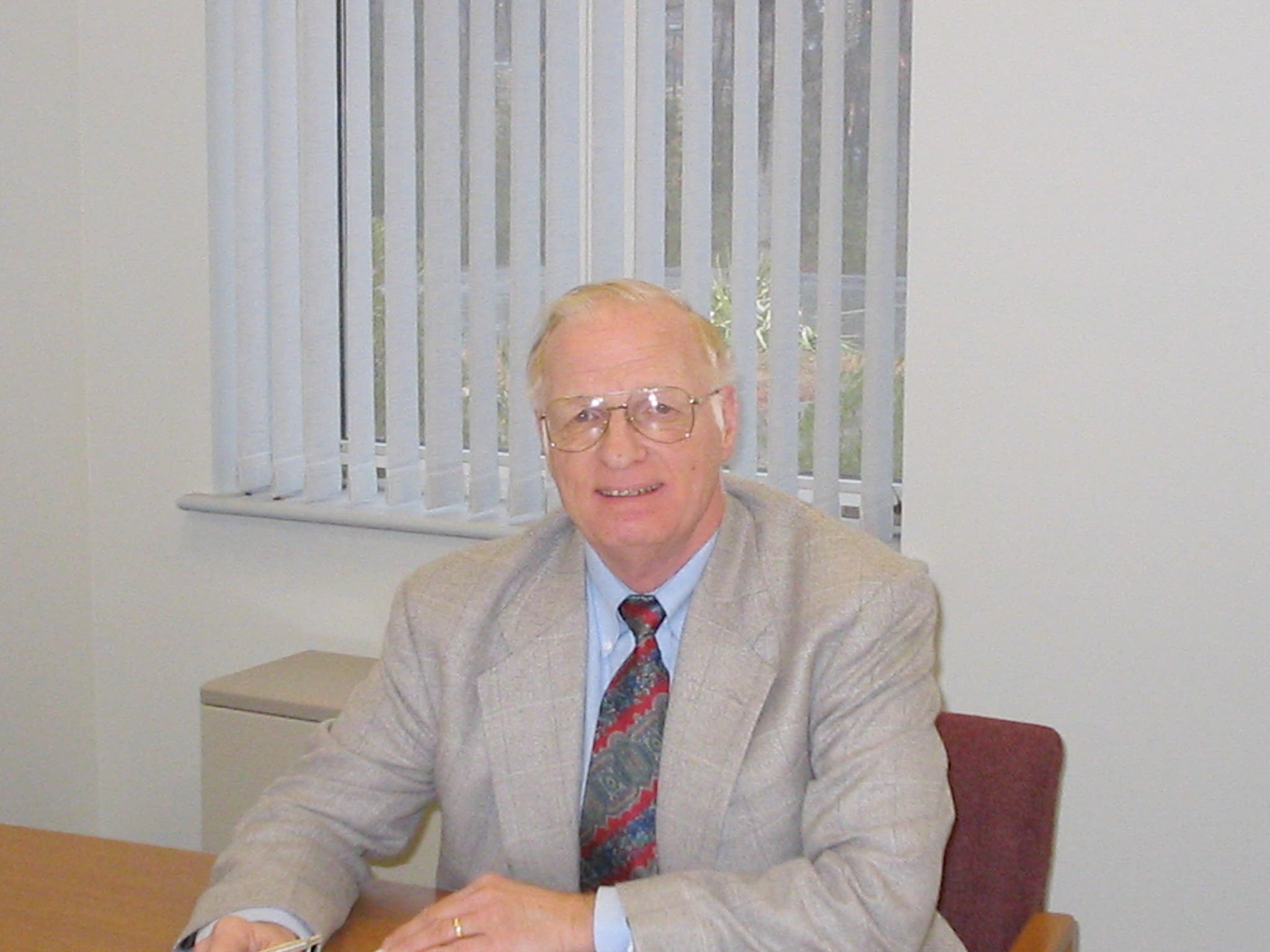
When a power outage occurs in the middle of the night, one of the biggest challenges for workers at utility companies such as Concord Municipal Light is "determining what the problem is," according to Concord Light Provisional Director Dan Sack.
"When you have 800 customers (without power out) at 2 a.m. (when it is foggy) you can't see the lines from the ground, and it is tougher to ascertain," Sack said in an interview Tuesday with the Concord Patch. "It is like fixing a flat tire. You have to determine where the problems are and begin to fix them."
This requires, Sack said, going to the substations and seeing what breakers are open. Usually, power can be restored by starting at the substation and working your way out, Sack explained.
Find out what's happening in Concordfor free with the latest updates from Patch.
You "isolate sections of the distribution system and begin to put customers back on service as you work your way to the end of the line," Sack said, explaining detail by detail how the light department responds quickly and efficiently to any power outages that may occur as the result of an ice storm, thunderstorm or other factor.
For the past 22 years, Sack has served as provisional director of the town's light department, and he says he has most enjoyed "making a difference in the reliability of the lives of residents in town in terms of their electric supply."
Find out what's happening in Concordfor free with the latest updates from Patch.
"It is a much better system than it was 25 years ago," Sack added.
After working for 47 years after college, Sack decided that it was time to retire. His last day is June 18.
"I am involved in several organizations that I want to devote more time to," Sack said in explaining his decision to retire. "I (also) want to do more gardening, projects around the house and travel."
A Passion for Electrical Engineering
Born in Chicago, Sack said he became interested in electrical engineering from as far back as he could remember.
Although Sack's father was not an electrical engineer, he had friends who were and they steered him into the career as well. This influence moved Sack to major in electrical engineering in college.
Having lived in Nebraska, Sack relocated to New England with his wife in 1976. Before working at Concord Light, Sack had been a utility consultant for 15 years working with and for clients.
Reflecting on his 22-year tenure with Concord Light, Sack said the most challenging thing about his job was the litigation that occurred against Boston Edison in the late 70s'. Because of Edison's "proposed power cost increase of 34 percent in the 1970s … which "put Concord into a price squeeze since the wholesale prices charged by Edison were greater than their existing retail rates," this caused the company to file an anti-trust case against them, which was settled in 1980, according to the plant history's website.
This, by far, Sack said was the most challenging situation he had to handle as provisional director.
It required "a lot of hard work," he said.
Asked what he will miss most about his job, he answered matter-of-factly that the people would be missed the most.
"I will miss the town … and miss the opportunities and the long range outside of the box thinking," he added, referring to the long range planning he was able to partake in including future plans for the light plant such as adequate power supply for 2020.
In moving the town into the future toward more renewable energy, a project was recently approved to put a 44-kilowatt solar array on the roof of Willard School.
"We got a safe grant and there is some money coming from the Solar Trust Fund and the light plant budget," Sack said in regards to funding for the solar project.
Sack said the project at the school is currently in the design stages and workers recently had to evaluate whether the existing building structure could carry the extra weight of the solar panels. After the evaluation it was concluded that the structure could indeed carry the extra weight for the panels.
Further, there is no set date for the project's completion, according to Sack.
As far as other solar projects, Sack mentioned that someone approached town officials with an idea to build a utility scale solar station, which will hold 2,000 kilowatts of power as opposed to 44.
However, this proposal is still in the preliminary stages and the department is in the process of sending out a RFPs to "find a developer who might be interested in doing it," Sack said.
When asked whether moving electric utilities toward solar power was the way of the future, Sack said while it is a popular thing, he does not believe it is the only alternative for the future.
"Solar power is very expensive," he said, (even) "after the subsidies from the federal and state governments. You are taking power costs of three to four times that you can buy elsewhere."
Other alternatives to solar power include wind power, but that presents its own problem: "The wind does not blow as much as the sun shines," Sack said.