Politics & Government
Tree Warden Works in Overdrive
Peter Flynn and his crews are busy almost 24/7 although the drought has meant less mowing.

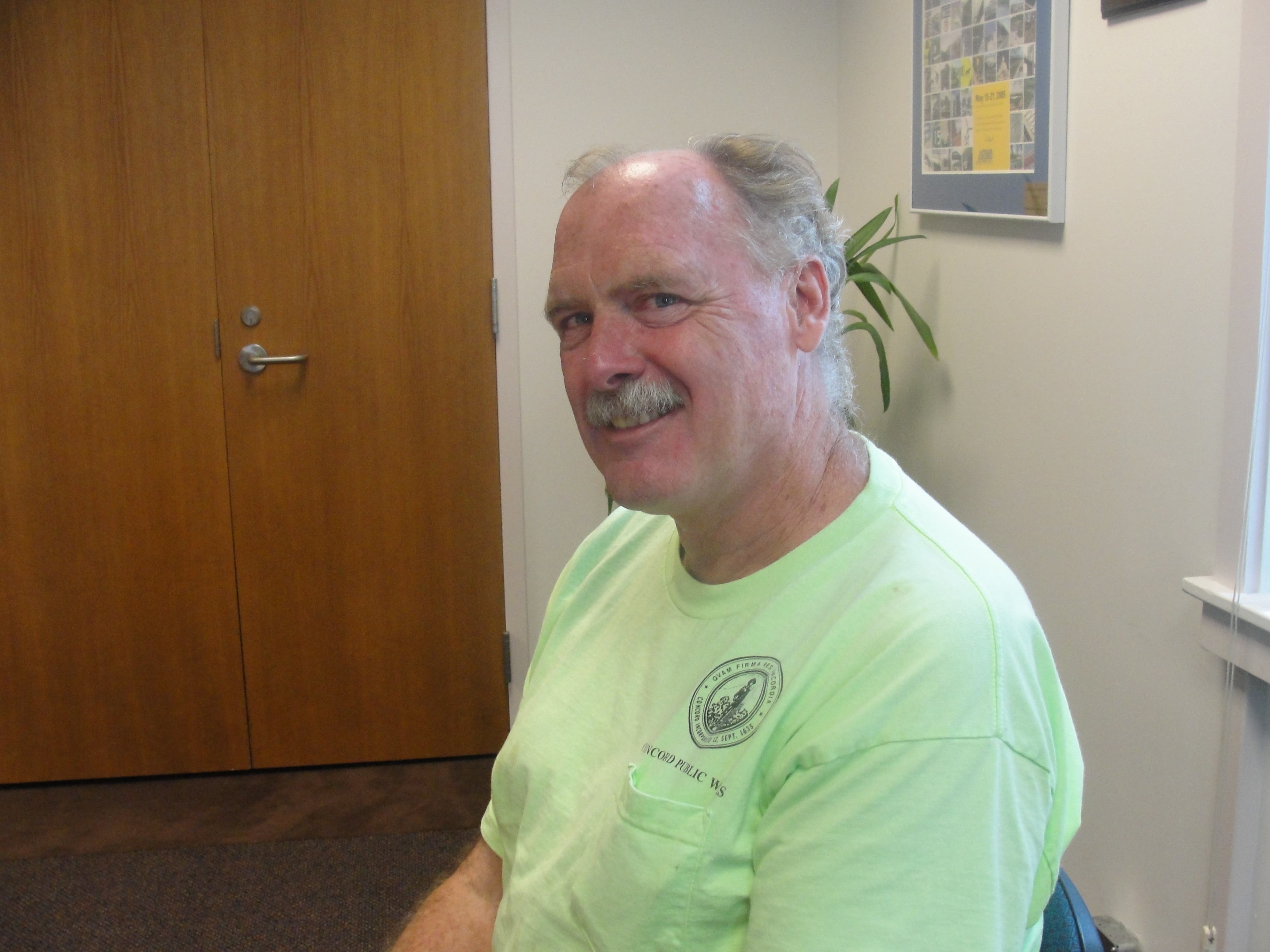
The busy season hasn't started yet for Concord tree warden Peter Flynn, and already he has a full plate of work every day.
Flynn, with a background in forestry, started working as a groundskeeper in 1981, and stayed with it to rise through the ranks to become tree warden in the parks department.
This year, he said, has been difficult because the weather has gone "from one extreme to the other," recalling the floods in May and the current drought. Being responsible for the 25,000 or so town street trees and more than a dozen soccer fields and parks, Flynn has worked hard to juggle his staff and keep the town looking neat and clean.
Find out what's happening in Concordfor free with the latest updates from Patch.
"We have a tight budget now," he said, "and in the drought things are not growing and we are not irrigating. Trees die in a drought or they go into decline. It takes a lot out of them."
Then there are the insects that come from far away and feed on the trees.
Find out what's happening in Concordfor free with the latest updates from Patch.
Flynn said for the first time in Concord, he is seeing the European winter moth that eats the leaves "just as they are leafing out." He said the Cape and South Shore have been "defoliated year after year" by the moth and the insect is "spreading out."
"It is not native to here," he said. There is a certain fly that attacks the moth in its caterpillar stage that the state is releasing to see if the fly can control the moth, but Flynn said using the fly is expensive.
Another tree killer is the wooly adelgid that feasts on hemlock trees. The insect does not like bitter cold, Flynn said. He saw some of the adelgids in Sleepy Hollow Cemetery last year, but of 75 hemlocks with the pest in the fall, only two trees were infected after the winter.
"It comes in on birds," said Flynn.
Dutch elm disease wiped out most of the elm trees along Elm Street, leaving five or so that he can count, and that is why he tries to "mix things up" when planting new trees.
He said many of the elms were replaced with Norway Maples or ash trees, but that too has an insect enemy in the emerald ash borer.
"That's why Major League Baseball uses maple instead of ash for its bats because ash is hard to come by," Flynn said. "It killed 5 million ash trees throughout the country."
One other bug, the Asian Longhorn Beetle, is a newer threat, but hasn't reached Concord yet. Flynn said the beetle never journeys more than about a mile from the host tree, so using a radius of 1.5 miles from the infected tree, one can track the beetle.
He said three trees were found in Boston, and a few in Worcester and Shrewsbury.
"In 2009 there were 18 trees infected in the state and three this year," said Flynn.
He has a planting list of about 30 different species of trees, and he said it is important to have "the right tree in the right place," noting that some homeowners have planted trees too close to wiring or too big for the space. He talks to residents frequently about what to plant and where.
Next month, Flynn will start seeding the athletic fields, cut and fertilize the grass and draw the white chalk lines. He uses about seven pounds of seed in the fall.
He tests the soil every two years and aerates three or four times a year. He fixes the irrigation systems if they are malfunctioning.
With the drought and the town's water advisory, Flynn said gardens are taking a beating.
"This is the worst I have ever seen," he said, looking at the small plot of mostly dead bushes next to his office at 141 Keyes Road. "But it will all bounce back."
He said the park and tree department plants about 150 street trees a year because dead limbs or trees pose a hazard.
Get more local news delivered straight to your inbox. Sign up for free Patch newsletters and alerts.