Neighbor News
Back-to-School Adjustment after a Family Death
If your family has had a recent bereavement, here are 4 tips to navigate the back-to-school transition.
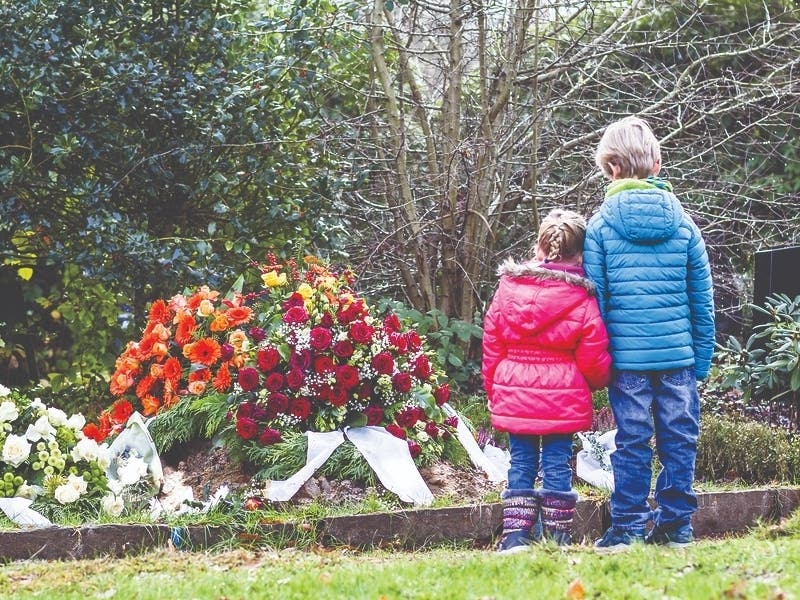
For families who have been recently bereaved, the new school year brings a poignant reminder of upcoming life events for which their loved one will be absent. Equally, at schools, teachers may be unprepared or unaware that one of their new students has just lost someone they loved.
According to the JAG Institute for Grieving Children and Families, one in 14 American children will lose someone close to them such as a parent, sibling or grandparent. In Massachusetts, six percent of youth – 81,000 -- are estimated to be bereaved by age 18. Among those, most have experienced the death of a parent.
Children grieve differently than adults, and it's often hard for them to understand death and reveal their own sadness and confusion.
Find out what's happening in Danversfor free with the latest updates from Patch.
However, if your family has had a recent bereavement, here are 4 tips to navigate the back-to-school transition.
1. Communicate early and often: Assure children that death is not a taboo topic and provide a safe space to talk about their feelings. Keep the conversation open and honest and appropriate to each child's age and stage.
Find out what's happening in Danversfor free with the latest updates from Patch.
2. Reach out for help: Use the resources in your local community. Care Dimensions provides grief counselors and child life specialists to help parents and caregivers determine what information they are comfortable sharing with their children, how to explain illness and death and how to answer their children's questions. Find a list of our many child grief support resources and reading list on our website at CareDimensions.org/CCLS.
3. Allow children to participate in the family's mourning: Children can write and read a poem, accompany you to the cemetery, draw a picture for a departed grandparent or plant a flower for a lost pet. Or families can make memory treasure boxes in which they cultivate memories and help each other to remember important life events with a departed loved one.
4. Communicate with the school: Whether your child wants their teachers to know minimal information or full details about the loss, it's important for teachers to know what has happened so that they can watch for any unusual behavior or signs that your child may be having a difficult time.
Every child copes with grief and transitions differently, and while going back to school may be a welcomed routine for some, it may be very difficult for others. Keep an open discussion with your child and your child's school about this transition.
Care Dimensions has certified child life specialists who can help guide children and teens through the difficult times that follow the loss of someone special. Learn more about our upcoming support groups for children and caregivers at https://www.caredimensions.org/grief-support/childrens/. For additional information and support for children and families who are grieving, please contact our children's program at 855-774-5100 or email childlife@caredimensions.org.
Care Dimensions is the largest hospice and palliative care provider to adults and children in Massachusetts.