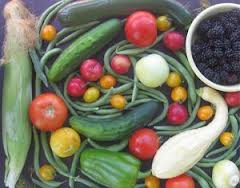
So here we are in the dog days of summer. Temps are scorching after several weeks of having our fair share of rain. From one extreme to the next. Too bad my pumpkins out back are not boat size yet, I totally could have gone white water rafting down Beaver Brook. All the local farms were asking the sun to shine its rays on the fields to let the vegetables grow. Today, we all welcomed the brief rain storm to ease the toll of this heat wave. Summer squash is flowering along with zucchini and cucumbers. The first round of tomatoes and late blueberries are ripening. The sun just starts to ripen everything then it rains again. There are lots of ways we can ripen fruits and vegetables off the vine but all early summer vegetables should really be sun-cured, they just taste that much better. Did you know that most growers will do three to four plantings of summer squash, and zucchini? It’s true, to best supply their customers through the season they will plant an initial crop and then as they are harvesting one crop the next one has started so as crop one slows down in production the second crop will be ripe for the picking.
Many think that if they have not planted in May or June then that’s it, throw in the towel until next year, they missed their chance to grow. Well hey, that ain’t true. After harvesting early-maturing vegetables such as salad greens, radishes, peas and spinach, gardeners can plant other crops in midsummer for fall harvest. Some root crops, greens and other vegetables can be successfully grown from late June, July or even August plantings. There are also many perennial herbs waiting to be discovered in the reduced and half off area. You may only get a little this year but really it’s a great bang for your buck and next year you will be cutting early. Lavender, White Sage, Rosemary, thyme, Lemon Balm, and let’s not forget about catnip are all beneficial and attractive perennial herbs. From flavoring your supper to blending a garden tea I’m sure you will have many uses for them, and for a bargain. Catnip is pleasing to cats but mosquitoes can’t stand it, so it can even help keep your yard pest free.
Let’s get back to vegetables. Seeds of bush beans, carrots, beets, kohlrabi, and turnips can all be directly sown starting in mid-July, as space becomes available. If you have the garden space and leftover seed, start a fall crop of garden peas with a mid-July sowing. Success varies from year to year, but even a small crop of fresh peas in September is worth the effort. In general, be sure to incorporate compost or organic fertilizer into the soil before starting any of these fall crops. Let’s not forget with the hot temps it’s best to not disturb the soil around the legumes and Cucurbita pepo. The shallow and tender roots will not take well to a mini soil quake and disturbance. After all the hard work so far it would be a shame to see the fruit of your labor not flourish. If you do stress the plant roots, keep them wet and pack them back into the soil. Harvest season is under way. Eat Local, Grow Easton and Be Healthier.
Find out what's happening in Eastonfor free with the latest updates from Patch.
Next time I blog it will be about true sustainability and how we can save what we can’t eat now for winter.
Till then, Happy Growing.