Politics & Government
Town Plans For Sewer To Extend Beyond Shovel Shop Project
Town hopes to tie in rest of North Easton Village within five years
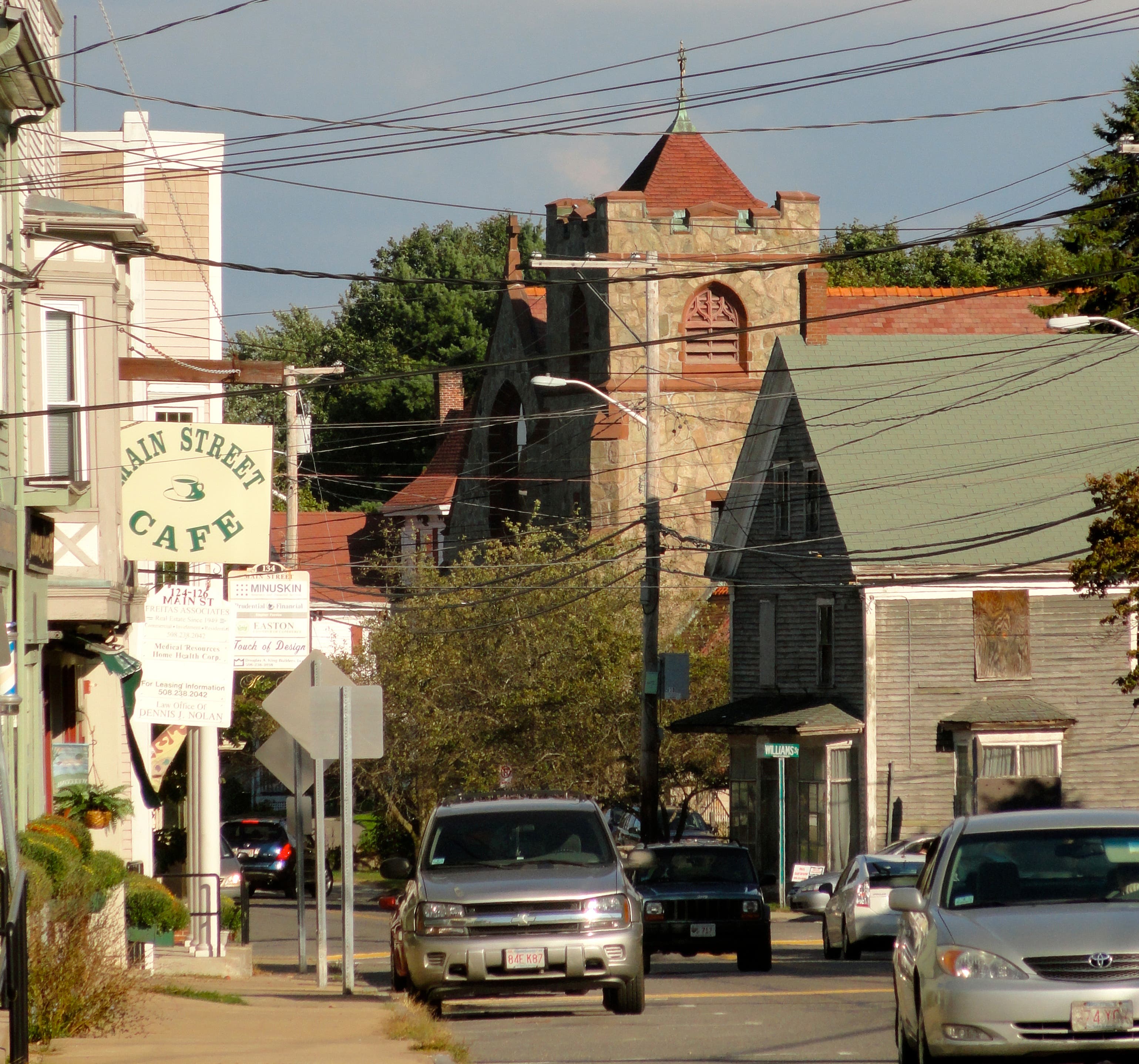
With the groundbreaking of Shovel Shop project, the town will get its first hookups to sewer – a service many residents and businesses have eagerly awaited. But though the plan calls for just a tiny part of the population to be serviced, Easton officials hope that it can be start of a more far reaching plan – one that could eventually hook up about one-third of the town.
Who exactly will be serviced and when?
Town Planner Brad Washburn said the town is focusing on five different “Tier 1” areas in town: North Easton Village (expanded to include the entire district), South Easton, Five Corners, Turnpike Street, and Easton Center. Three other “Tier 2” areas -- Old Foundry, North Washington Street, and Hockomock -- were also considered to have high needs, but not as essential.
Find out what's happening in Eastonfor free with the latest updates from Patch.
The Tier 1 areas could be serviced by three different sources, Bradford added, which could involve tying into Brockton and Mansfield systems, and to one or more wastewater treatments plants (to be built) in town, in addition to the one built for the Shovel Shop project. Earlier this year, Town Meeting approved funding to evaluate several different sites to build these additional wastewater treatment plants.
Most of these details (excluding the Shovel Shop proposal) are spelled out in the town’s 2004 Comprehensive Wastewater Management Plan, which can be viewed through the town website.
Find out what's happening in Eastonfor free with the latest updates from Patch.
The report recommends that most of Easton residents remain on septic, due to the high cost of tying in sewer and long period of time it could take. Though no real time line is mapped out, the plan estimates that it could take 15 to 20 years to put the five high-needs areas on sewer. The cost was estimated to be between $67-$95 million, depending on how sewers are serviced.
The high needs areas were determined by a variety of factors, including lot size, environmental sensitivity and whether they included business and commercial districts. North Easton Village was given precedence because it has the highest number of homes on small lots with older septic systems, Washburn said. The area is also in the town’s aquifer protection district, which serves the town’s most productive drinking wells.
Washburn said the first phase of the plan is to hook up the Shovel Shop housing development and approximately 70 additional parcels, which includes most businesses on Main Street, by fall of 2013. The town then hopes to hook up all of North Easton Village within two to five years.
The four other districts have no time frame, at this point.
The report also mentioned that more of the town could be serviced if the town worked with other communities to establish a “united solution to wastewater treatment,” but that was beyond the scope of the report.
The areas not considered for sewer include: Pratts Corner, Massapoag, Eastman Street, Flyaway Pond, Black Brook, Bay Road South, Beaver Book, and Bay Road North, which are mostly in the central and west part of the town.
Board of Selectmen Chair Colleen Corona said selectmen support sewer expansion, and that right now she is focusing on expanding sewer to include all of North Easton Village. She said additional North Easton Village residents may be serviced through the Shovel Shop plant, and the town may build another small wastewater treatment plant to service the rest.
Meanwhile, the town is offering financial help to people with failing septic systems.
Board of Health agent Kristin Kenney said the town has already approved eight $25,000 20-year loans with two percent interest for upgrading current septic systems. The town is hoping to expand that program next year, by getting approval to offer $1 million worth of loans that could service up to 100 more residents. More information can be found on the Easton Board of Health website.