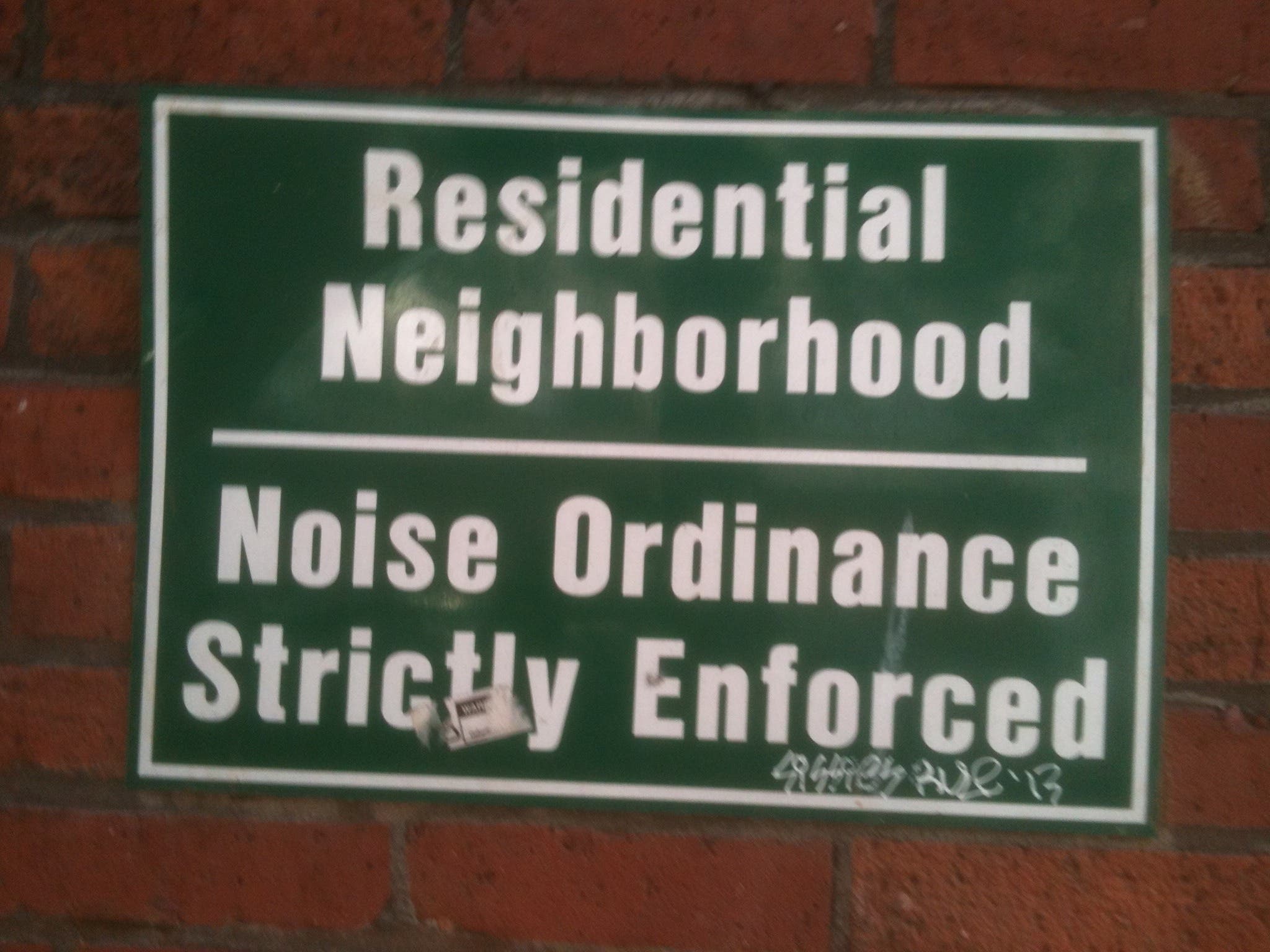
I recently received e-mail announcing the ‘new’ Northeast Wind Resource Center (NWRC). The stated goal of the NWRC is to act as a provider and central repository of wind data in order to assist decision-makers as they consider wind policies and projects. Being subject to the effectiveness of current noise regulation protection, it got me wondering why noise protection regulation has become drowned-out by the wind?
Renewable energy is becoming a pivotable piece in every segment of our society. The National Association of Realtors conference in New Orleans (Nov. 7-10), stated that changes in U.S. energy is projected to be the key element impacting jobs, income growth and quality of life in relation to determinants of real estate value, according to the Counselors of Real Estate (CRE).
Noise Pollution History
Find out what's happening in Falmouthfor free with the latest updates from Patch.
After the watershed passage of the United States Noise Control Act (NCA) of 1972. things in the United States changed rapidly. The United States Environmental Protection Agency (EPA) testified before Congress that more and more Americans were being exposed to non-occupational noise at levels enough to impact Public Health standards. Subsequent laws had significant effect on providing reasons to consider environmental noise in community planning and zoning decisions.
Wind Regulation Direction
Find out what's happening in Falmouthfor free with the latest updates from Patch.
Noise regulation has subsided since 1981, when Congress ended funding for the NCA. EPA had pre-empted state, regional and local government from regulating sources, so they could not legislate standards, for example on truck noise emissions. Thus, in areas the federal government has failed to promulgate clear standards (i.e. wind turbine noise), further regulatory progress is unlikely. The one exception might possibly come from the US Department of Energy’s National Renewable Energy Laboratory (NREL). However, this is even less likely since the agency has an inherent conflict of interest regarding noise regulation on wind energy development.
A Foreboding Forecast
The notable “take-away’ from the National Association of Realtors conference, as it relates to people wanting to enjoy basic amenities of home ownership (i.e. healthy, annoyance-free, uninterrupted sleep), is the looming concern about the general quality of life anticipated with the changing U.S. energy agenda.
Local ordinances/bylaws have been designed to protect residents from unhealthy noise interference, prohibiting sound above a certain intensity from trespassing over property lines. Wind turbine noise has somehow avoided becoming subject to local regulation. Boards of health, planning and zoning are become increasingly subordinate to wind development politics. Qualifying what is or isn’t a healthy level of noise for local residents is being dictated by federal and state renewable energy agendas. The dangerous result, sanctioned by state ‘green’ energy goal legislation , has caused an erosion of health standards for citizens. A community’s experience, knowledge, its fundamental ability to self-determine what is best for it’s residents well-being, has been replaced by questionable health assurances that have proven ineffective.
Wind Blown Skeptisism
It’s reasonable to be skeptical. To the average citizen and municipal decision-maker (despite all the ‘puff’ over wind by various alleged resource centers), the ‘elephant in the room’ is that the science community, relative current wind turbine noise regulation, has demonstrated a correlation between chronic noise and health problems.