If a pipe bursts it will spill several hundred gallons of water per hour, and that equates to thousands of dollars of damage to your home.
There are three common causes of frozen pipes:
- quick drops in temperature
- poor insulation
- thermostats set too low
You can protect your home before the frigid winter months begin. Here’s how:
Find out what's happening in Foxboroughfor free with the latest updates from Patch.
By subscribing, you agree to Patch's Privacy Policy and Terms of Use.
- Be aware of a cold snap or deep freeze. Keep your home thermostat at a base heat setting of 55 degrees Fahrenheit.
- Insulate all water pipes from cold moving air and keep them dry.
- Use either heater tapes wrapped around the pipes or a heated reflector lamp in a dry enclosed space.
- If electric power is unavailable or is lost, let the water run no faster than a slow constant drip; this is cheaper than repairing it. First start a slow drip on the hot side faucet, then a faster drip on the cold side faucet.
- Insulate and heat the drain lines in crawl spaces and cold basements.
- Always disconnect your water hose from your outdoor spigot in the winter, or before the temperature in your area drops below freezing. The water inside the hose can freeze, and the freezing continues back into the spigot until it reaches your pipes. If you have PVC plastic piping leading to this spigot, it will burst.
- During frigid temperatures keep any exposed pipes or plumbing fixtures warm with heat lamps or a space heater, while making sure these heat sources are kept at a safe distance from flammable objects.
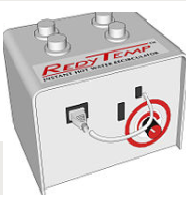
- Use a RedyTemp, a device which utilizes an internal water contacting temperature probe to monitor the temperature of the water inside the pipes. - See more at: http://dun-rightplumbing.com/plumbing-blog/8-ways-to-avoid-frozen-pipes/#sthash.n9BY3Es3.dpuf
If you do experience frozen pipes, here are a few tips to help you out:
- If the frozen pipe is exposed, then you have several options available but first here are some notes to remember. When working on thawing the pipe leave the main water valve open (near your water meter) and remember to heat the pipe from the faucet toward the frozen area. This way, the water can flow out as the ice melts and the water pressure in the pipe will force the ice out once it melts sufficiently.
- One of the best and safest ways to thaw the pipe is to heat the area with a high power hair dryer. Again, make sure to open the faucet and then heat the pipe working back from the faucet toward the frozen blockage. Also, if the pipe is close to the wall, place a cookie sheet behind the pipe to help radiate heat onto the back side of the pipe.
- Never try to thaw a pipe with a torch or other open flame because it could cause a fire hazard.
If you need a water pipe repaired – Dun-RIGHT Plumbing & Heating is available 24/7 to help you maintain and repair your heating system. Call 877-386-7454.
Find out what's happening in Foxboroughfor free with the latest updates from Patch.
By subscribing, you agree to Patch's Privacy Policy and Terms of Use.