Community Corner
Race Ignored In Framingham Apartment Moratorium, Resident Says
Amid recent nationwide racial tension, Framingham's moratorium sends a bad message, a former member of the Fair Housing Committee says.


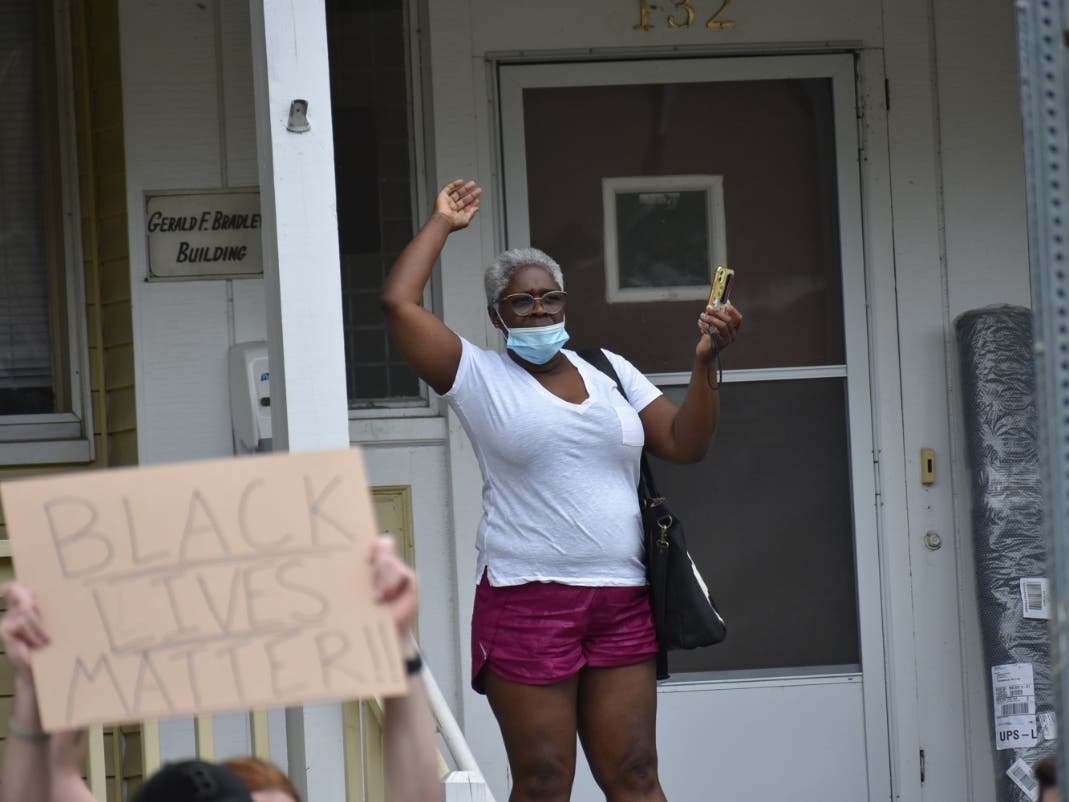
FRAMINGHAM, MA — On Aug. 4, the Framingham City Council passed a temporary moratorium on new apartment developments in a 10-1 vote. Two weeks later, the Council unanimously proclaimed August as Black Lives Matter month in the city.
And those two statements are completely at odds, according to Framingham resident and business owner Brandale Randolph.
Randolph this week published a personal essay questioning the moratorium, which was vetoed on Monday by Mayor Yvonne Spicer, but could still stand with a two-thirds majority vote of the City Council. Randolph says the moratorium sends the wrong message to working-class Black people who may want to live in Framingham amid a backdrop of nationwide racial tension.
Find out what's happening in Framinghamfor free with the latest updates from Patch.
"The pending moratorium here in the City of Framingham and surrounding communities are the pickup trucks full of White men with guns, sitting at [Mass Pike] Exit 13, telling them that they are not welcomed here," he wrote in the essay.
Randolph, who was a member of the Framingham Fair Housing Committee and founder of 1854 Cycling, said he was inspired to write the essay after seeing discussions online about the moratorium. Proponents seemed unable to perceive that moratorium could damage the city's reputation, he said.
Find out what's happening in Framinghamfor free with the latest updates from Patch.
"It's like we have this willful misrepresentation," he said.
Moratorium-backers have said they want to pause apartment developments to study issues like traffic and whether apartment-dwellers are causing schools to become overcrowded. The moratorium would last nine months, and during that time the city is supposed to produce studies on those issues.
An estimated 1,400 new units have been approved since 2016, although not all have opened yet. Some of the more recent developments, including the Modera along Waverly Street and the Alta Union House, offer luxurious units that range from $1,800 to $4,000 per month. Those developments need to be part of the mix too, Randolph says, so employers like TJX and Genzyme can keep employees local.
But apartments are also a key form of housing for low-income people, the disabled, the elderly and veterans. The main subsidized housing program in the U.S., Section 8, relies on the availability of rental housing, which often comes in the form of apartment units. Spicer pointed to this issue in her veto statement on Monday.
"A limit to the production of multi-family housing also harms vulnerable populations such as low-to-moderate-income families and individuals, older adults, and those with disabilities," the statement said. "The data has shown that black and brown residents are most affected by housing injustice, as well as the public health crises of the pandemic and racial injustice."
The broader message is one of exclusion, Randolph says. He wonders why Framingham would want back away from apartments when it's also supporting the Black Lives Matter movement.
"I think we in this given moment should be trying to bring in as many people of different races," he said. "What the moratorium symbolizes is that we don't want you here."
Get more local news delivered straight to your inbox. Sign up for free Patch newsletters and alerts.