Business & Tech
Planning Board Wades Through Runoff Issues for Canter Brook Project
The engineer hired by the developer of the proposed Canter Brook senior housing project says the new development will not make flooding any worse in the area.
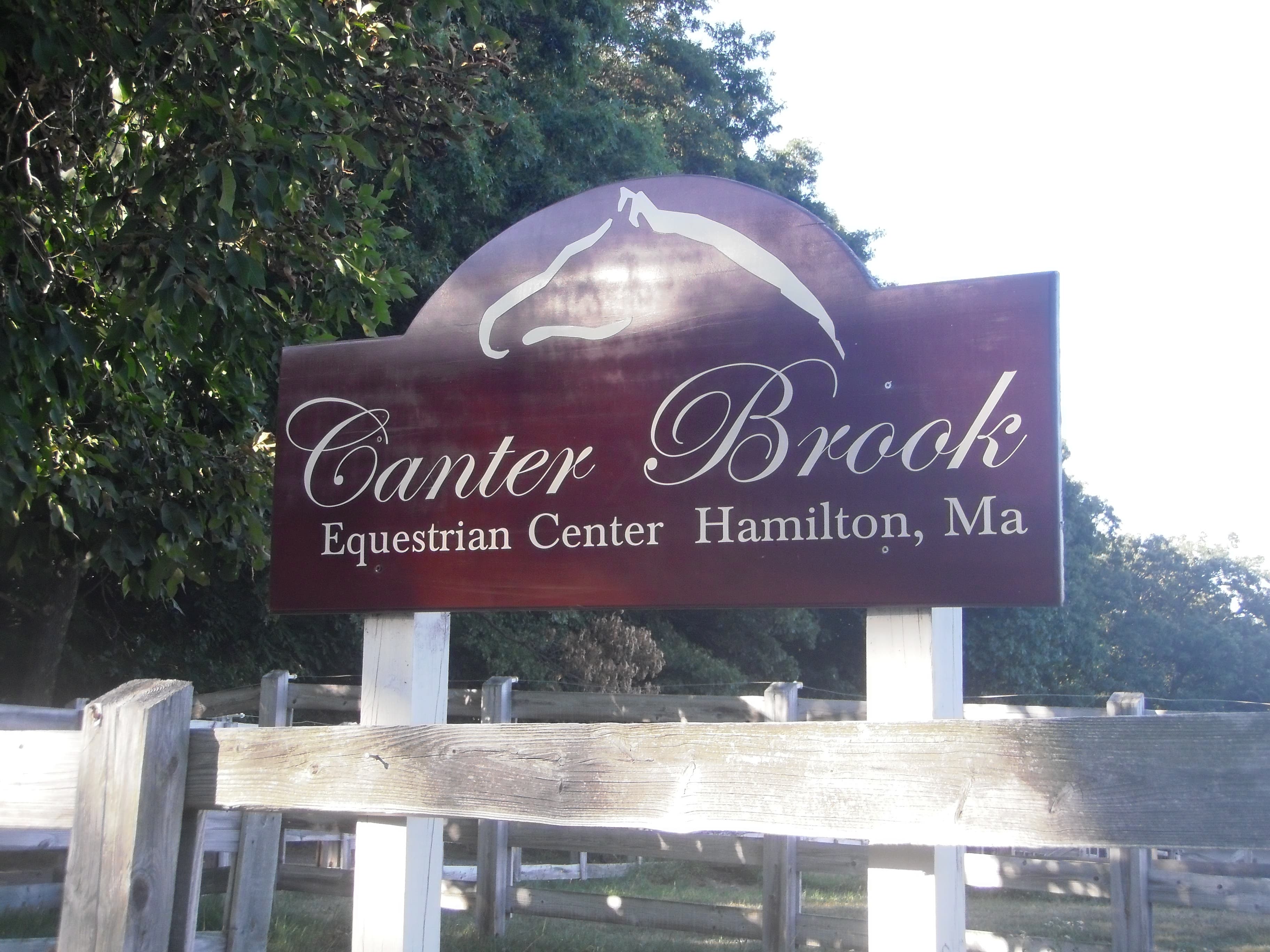

As the rain poured down outside Tuesday night, the Hamilton Planning Board grappled inside the Senior Center with the complex issues of what impact the proposed senior housing complex at the site of the Canter Brook Equestrian Center would have on flooding problems at nearby residences.
“This project will not solve your (flooding) problems,” said Robert Forbes, a senior engineer with Prime Engineering. “It may help some. It will not hurt.”
A neighbor, Tim Maciejowski, said the 43-unit senior housing complex is being “built at our expense. We are flooded now. This will make it worse.”
Find out what's happening in Hamilton-Wenhamfor free with the latest updates from Patch.
The planned project is the first proposed under the town’s relatively new senior housing bylaw. The development is being designed for a 14-acre site between Highland and Asbury streets. The site, which has about 11.5 acres of buildable land, is currently the .
The project will also have to be reviewed by the Conservation Commission and the Zoning Board of Appeals.
Find out what's happening in Hamilton-Wenhamfor free with the latest updates from Patch.
Tuesday night the planning board met to review in detail the comments by its independent engineer, Robert Puff, who had submitted 10 pages of comments and questions about the project. On several water issues, the board members asked Puff to explain his comments and calculations.
The board spent most of the more than two-hour meeting discussing water runoff and water quality and parking issues. Forbes, who represents the builder, agreed to most of the comments and objections from the board members and their engineer.
When board members questioned if there would be enough parking on the site, Forbes said he would talk with the developer about eliminating a proposed outdoor pool to provide more parking spaces.
He also agreed to have a backhoe dig holes, while the health agent looks on, to test the water levels in the ground at the site.
Five more units for additional reduction in water runoff
But he balked at the suggestion that the project must reduce water runoff by 60 percent during major storms. The board had agreed to allow the developer to build five additional housing units on the site in return for reducing the water runoff by 60 percent.
Forbes disagreed with the board that the developer had ever agreed to the 60 percent reduction requirement. He said the project will reduce the current amount of water runoff by more than 60 percent during a relatively mild storm, known as the worst storm in a two-year period. But he said the project could not reduce the rate of runoff by 60 percent in larger storms, such as the worst storm in a 10-year period.
“You are not going to see a 60 percent reduction rate,” Forbes said.
Maciejowski said the board should withdraw the five additional units if the project would not help reduce the flooding of neighboring projects.
Frederick Geisel, an engineer, who is working with the neighbors, said “it is no secret” that there is a flooding problem in the neighborhood now.
Alice Maciejowski said they have to use pumps now to remove the water that flows through their property.
“We are trying to help you neighbors,” board chairman Peter Clark said.
Board member Rick Mitchell said Tim Maciesouski “just likes to bait people.”
After two hours of discussion, the handful of neighbors left, saying that more neighbors would have come, but “they are discussed” with the Planning Board's just “glossing over the problems with this project,” Alice Maciejowski said.
In other meetings, a dozen or more neighbors have attended the meetings.
“The selectmen are in bed with this project. They want to see the revenue for the town,” Tim Maciejowski said.
Estimates are that the project would likely pay between $220,000 and $290,000 in taxes annually.