Politics & Government
South Shore Boy Seventh Human Case of EEE
Hingham schools have already take precaution by spraying fields and playgrounds, and Plymouth County residents are encouraged to cover up and use bug spray.


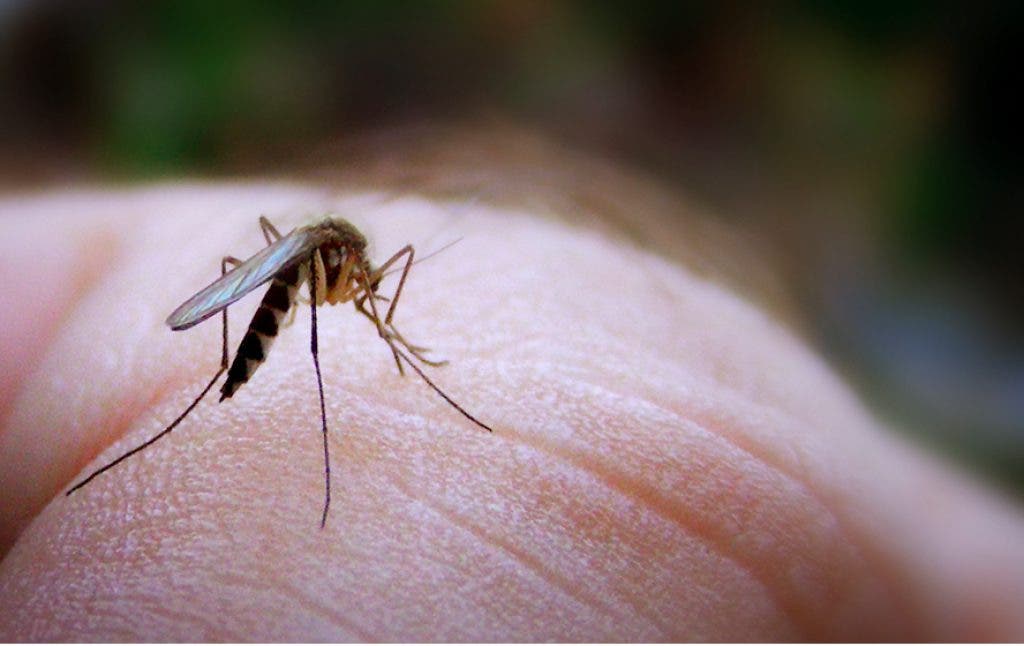
The Massachusetts Department of Public Health Tuesday announced the seventh human case of Eastern Equine Encephalitis.
A 7-year-old Marshfield boy was diagnosed with the mosquito-borne illness, according to WHDH Channel 7. Marshfield already has a curfew in place on public outdoor evening activities.
The boy was not hospitalized and is recovering. Based on this finding, the EEE threat level has been raised to “Critical” in Marshfield and to “High” in Scituate. Communities which have been designated at “Critical” or “High” risk of EEE are urged to cancel all planned evening outdoor events for the remainder of the season until the first hard frost.
Find out what's happening in Hinghamfor free with the latest updates from Patch.
Hingham Public Schools have already taken precautions against EEE and West Nile Virus by spraying playgrounds and fields on school grounds. The threat level in Hingham was raised to "moderate" earlier this month.
Health officials have also confirmed two additional human cases of West Nile virus (WNV) in a Boston resident in his 50s who has been hospitalized and a Hampden County resident in his 50s who was hospitalized but has since been discharged. There are no changes to current WNV threat levels based on these findings.
Find out what's happening in Hinghamfor free with the latest updates from Patch.
“Summer may be over but the threat of mosquito-borne illness is not — we can expect to continue seeing mosquito activity until the first hard overnight frost,” said DPH State Epidemiologist Dr. Al DeMaria. “People need to continue to use insect repellant, cover up exposed skin, and avoid being outdoors at dusk and after nightfall when mosquitoes are at their most active.”
There have now been seven confirmed human cases of EEE in Massachusetts residents so far this year, two of which resulted in death. There were two cases of EEE in August of last year acquired in Massachusetts; a fatal case in a Bristol County man and an infection in an individual from out of state. EEE activity in both 2010 and 2011 raised public concern and prompted DPH to work with a panel of experts to evaluate and enhance the state’s surveillance and response program. EEE is spread to humans through the bite of an infected mosquito. Initial symptoms of EEE are fever (often 103º to 106ºF), stiff neck, headache, and lack of energy, and in severe cases can progress to confusion, disorientation, and coma. EEE is a serious disease in all ages and can even cause death.
How to protect yourself from mosquito bites.
Get more local news delivered straight to your inbox. Sign up for free Patch newsletters and alerts.