Politics & Government
Massachusetts Celebrates Lobster Day
As lobster season approaches in the Hingham Harbor, the state encourages residents to support local lobster industries such as South Shore Lobster at the Shipyard.


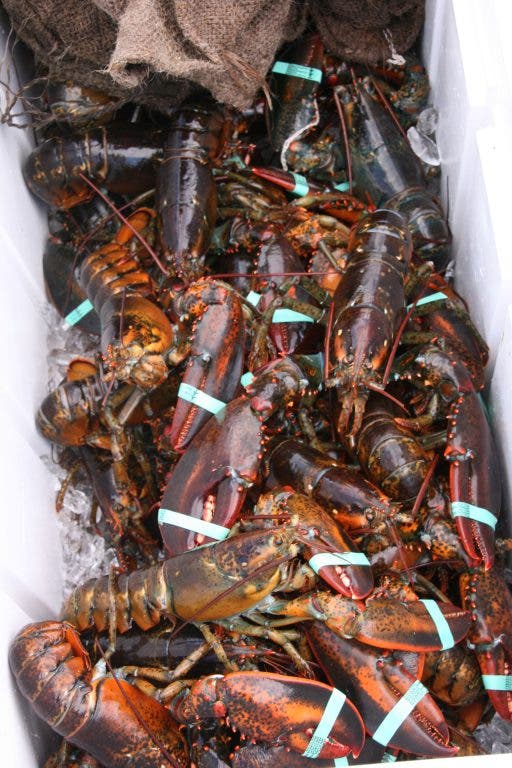
As the peak of lobster season on the Hingham Harbor approaches, the Patrick-Murray Administration today proclaimed today as “Massachusetts Lobster Day", as officials from the Department of Fish and Game (DFG) encouraged residents to support local lobster industries, fish markets and restaurants.
"For generations lobster fishing has been a way of life here in Massachusetts," said Energy and Environmental Affairs Secretary Richard K. Sullivan Jr. "As we mark the time of year when lobsters are most abundant in state waters, I’m pleased to celebrate this industry, which provides a locally-caught and healthy source of food and generates more than $200 million annually for our economy".
Many South Shore residents travel to Hingham just for their lobsters. At the Hingham Shipyard,is the largest producers of lobsters in town. The is also a popular spot to pick up the delicious seafood.
Find out what's happening in Hinghamfor free with the latest updates from Patch.
Low in fat, calories and cholesterol, lobsters are high in protein, omega-3 fatty acids, potassium, magnesium, calcium, phosphorus, zinc and Vitamins B12, B6, B3 (niacin), B2 (riboflavin) and A.
“October is a fantastic time of year to get an excellent quality lobster," said DFG Commissioner Mary Griffin. “I applaud the efforts of local lobstermen who work to deliver the freshest product, while conserving the lobster population.”
Find out what's happening in Hinghamfor free with the latest updates from Patch.
As part of an ongoing statewide effort to protect marine mammals, Massachusetts is the first and only state to require lobstermen to fish exclusively by "sinking" line between traps in state waters – reducing the risk of trapping whales and other marine mammals. Lobster harvesting is regulated by strict controls on licenses and traps fished. There are also biological measures to protect and conserve lobster populations – such as minimum and maximum legal sizes – and the mark and release of reproductive females.
"I would like to thank the Patrick-Murray Administration for the proclamation on behalf of the Commonwealth's lobster industry," said Bill Adler, executive director of the Massachusetts Lobstermen's Association. "Our lobster fishermen want to invite consumers to enjoy another taste of summer by having lobster during this fall season. Besides having a delicious and healthy dinner experience, everyone will also be supporting our Massachusetts lobstermen. Buy local, buy fresh."
The Massachusetts Department of Agricultural Resources (DAR) recently announced the first Massachusetts lobster fishermen to become certified under the Commonwealth Quality Program (CQP), a state label program that was designed to promote agricultural and seafood products that are responsibly produced, harvested and processed locally.
"Our fishing industry, and especially the lobster industry, is one of the largest contributors to the Massachusetts economy," said Representative James M. Cantwell. "I am pleased Governor Patrick is acknowledging that contribution to the economy, as well as the industry's long and storied contribution to the rich history of Massachusetts and New England."
- The above release was submitted by the Commonwealth of Massachusetts Executive Office of Energy and Environmental Affairs
Facts about lobster and the Massachusetts lobster fishery:
- In 2010, Massachusetts commercial fishermen landed more than thirteen million pounds of lobster in Massachusetts, generating a gross income of approximately $50 million.
- Massachusetts' lobster fishery generates about $210 million for the Commonwealth's economy by doing business with marine suppliers, bait dealers, lobster dealers, restaurants, retail outlets, supply manufacturers, fuel sales, boat and engine builders, banks and insurance companies.
- Approximately 1,300 lobster permits are issued to commercial fishermen in Massachusetts and 10,000 recreational lobster permits. A total of 50 Massachusetts ports have commercial lobster trap fishermen.
- The commercial lobster fishery is the second most valuable fishery in Massachusetts, after the sea scallop fishery.
- The Massachusetts lobster trap fishery is conducted by individual, small, owner-operated enterprises.
- Massachusetts lobstermen have removed 3,000 miles of floating rope from waters in an effort to reduce the risk of entanglements of large whales, including the endangered Northern Right Whale, and other marine mammals.
Get more local news delivered straight to your inbox. Sign up for free Patch newsletters and alerts.