Community Corner
Complete Streets
When is a street complete? Nowadays you can't just have hack path through the trees wide enough to drive your hogs to market and call it a road.
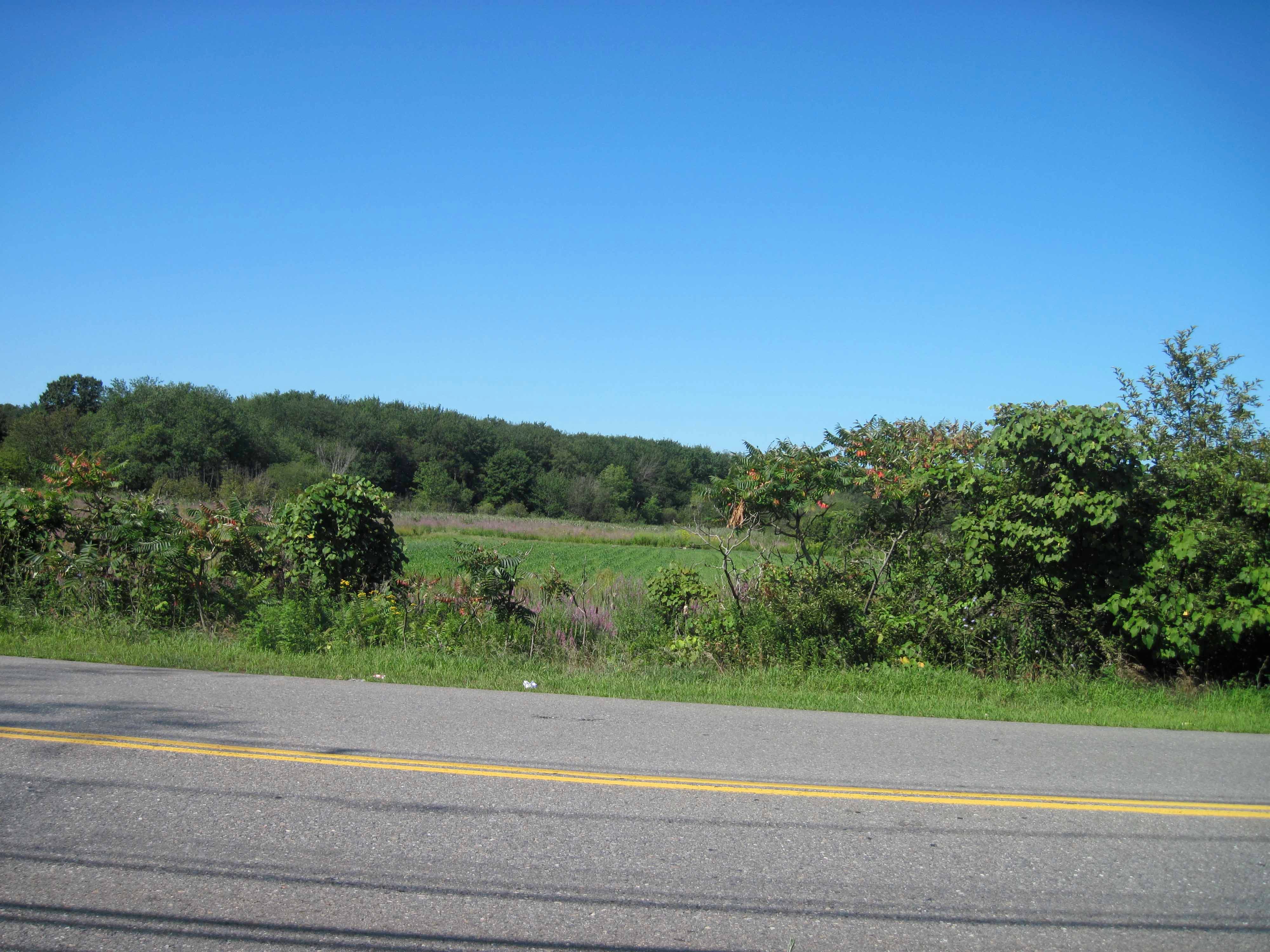
When is a street complete? Nowadays you can't just hack a path through the trees wide enough to drive your hogs to market and call it a road. Even cobblestones are insufficient by modern standards.
Today's drivers expect actual pavement with lines in the middle of the road to show them how not to run into other cars. Motorists like to see signs with street names on them, lights at busy corners and traffic signals at hazardous intersections. That's pretty much all you need to see... if you're driving.
Strangely enough, there are people in Lexington who don't drive, but have the temerity to leave their homes from time to time. They may be too young to drive, or have poor vision or medical problems that interfere, or they may actually want to walk or bicycle.
Find out what's happening in Lexingtonfor free with the latest updates from Patch.
When is a street complete for them? When there's a separate sidewalk? When pedestrians can cross the street safely? When someone using a walker, or crutches, or pushing a stroller can cross the street without worrying that the light will change before they reach the other side – if there is a light at all?
Well, Planning Board member Michelle Ciccolo has an answer.
Find out what's happening in Lexingtonfor free with the latest updates from Patch.
“Complete streets are streets for everyone,” Ciccolo said at the Lexington League of Women Voters First Friday Forum yesterday, with the topic of: "Complete Streets: Transportation Planning for Lexington's Future."
That means safe mobility for all users, including children and senior citizens. Ciccolo outlined all manner of ways that having complete streets could make the world better – quality of life, public health, safety – but she didn't mention how streets change the way we see the land around us.
Places look different when you whiz by them at 30 miles per hour (which happens to be how fast a car has to go to have a better than 50 percent chance of killing pedestrians; at 40mph, 90 percent of pedestrians are killed). The lawns in a neighborhood start to meld with each other, looking like a continuous green carpet. House fronts on bare lots look appealing and open, and gardens look muddy and indistinct.
Of course, most of the time when you're driving, you're looking at the road, or listening to the radio or some terribly important conversation on a cell phone, or thinking about the time you were sitting on the beach at the Old Res in the sun on a summer's day as the wind ruffled the water... anything to keep your conscious mind from remembering that you're driving in the suburbs, one of the most tedious undertakings in everyday life.
Passengers tune out as well. Studies show that children who are driven simply don't know their neighborhoods as well as kids who walk to school.
When you're walking, it's hard to keep your mind off the place you're living. That open landscaping in front of the new house doesn't just show off the new design. The absence of shade makes the place boiling hot in the summer, a fact that's immediately obvious to walkers and cyclists. The continuous perfect lawns may still be pretty, but they're silent and still. With no native plants to feed local caterpillars, the lawns discourage birds and butterflies. Hummingbirds can't eat zoysia grass.
Of course, not every street can accommodate everyone. You'd be hard pressed to put a sidewalk alongside Rte. 2, or run 18-wheelers down Vine Street. And as John Livsey, Lexington's Town Engineer noted at the forum, with limited space, “bike, car, and sidewalk accommodations are all competing interests.”
In the 20th century, cars out-competed every other use – and from 1969 to 2001 the number of children walking to school declined from 42 to 16 percent, while the number of children driven to school increased from 15 to 50 percent, according statistics gathered for the forum by Richard Canale, vice chair of Lexington's Planning Board.
We've come to see our neighborhoods as fleeting glimpses, a vision, not a place you could actually go; you could get killed if you tried to cross the street. Without accommodations for walkers, young, old, distracted and slow, drivers can't see people soon enough to stop, and can't stop to see people.
Road landscapes aren't important because they affect public health or satisfy Mass Highway's road requirements. The issue is larger than that. Incomplete streets lead to incomplete lives.