Community Corner
Remembering 9/11: The American Landscape Then and Now
Thirteen years later, Americans are still on high alert about terror and national security.


By Megan Taros
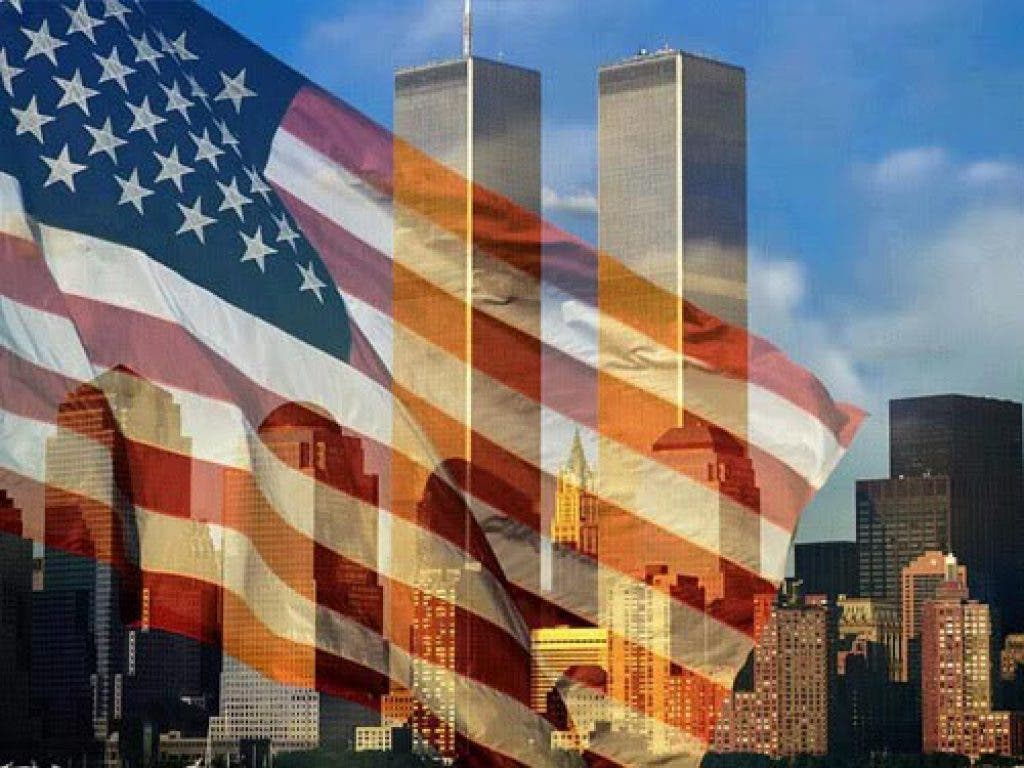
From the man who got stuck on New Jersey Transit and never made it to work in the city, the woman working diligently at a desk in El Paso, the firefighter digging through the rubble and the children who saw the destruction on their television sets as they quietly ate breakfast before school, most Americans remember the impact 9/11 had on their lives no matter where they observed it.
At 8:46 a.m. on Sept. 11, 2001, the first plane – American Airlines Flight 11, carrying 92 people aboard – crashed into the 93 to 99 floor of the North Tower. At 9:03 a.m., a second plane – United Airlines Flight 175, carrying 65 people – hit the 75 to 85 floor of the South Tower, which was only able to endure the effects of the impact for 56 minutes.
Find out what's happening in Lexingtonfor free with the latest updates from Patch.
The attack killed 2,977 people. After the overwhelming plume of dust and debris finished haunting NYC, leaving only the skeletal remains of one of the worst disasters to afflict the island of Manhattan, the landscape of the entire country changed with it.
For starters, terrorism and national security began filling our national discourse in ways it hadn’t since the Cold War. It gave us faces we became frightened of, names to be aware of and words to describe them that we seldom – if ever – used before: al-Qaeda, Taliban, extremists, militants, Islamists and more. Even the term 9/11 is a marker of its own severity.
Find out what's happening in Lexingtonfor free with the latest updates from Patch.
The most obvious of these post-9/11 changes is air travel. Gone are the days of running through security minutes before a flight and making it on time. The establishment of the TSA in November 2011 sent more than 400 trained security officers to airports from Guam to Alaska in just one year, with safety requirements becoming more rigid as failed terror attacks grasped public interest.
Travelers regaled their precious liquid cosmetics, hair gels and sanitizer to 3.4 oz or less and became accustomed to the dizzying ritual of removing shoes and hurriedly putting them back on. Random screenings are expected and body scanners temporarily placated sudden terror scares.
According to the U.S. Department of Transportation, however, Americans are back in the swing of things as travelers return, though capacity for them has waned. Airlines are still struggling to meet rising demands after a drop in travelers forced the companies to cut flights.
Despite a unifying national sobriety, it is perhaps Muslim-Americans who experienced the most grievous consequence of the evolving landscape. The number of anti-Islamic hate crimes went up from 28 in 2000 to 481 in 2001. The number has remained above 100 annually ever since.
Anxiety and a feeling of loss and insecurity remain high, according to Psychology Today, which reported a 25 percent increase in the use of anti-anxiety drugs in the year after the attacks. The report said that it has become more common for some to be put on the defensive by typically harmless events – for instance, a stranger dropping an envelope and its contents falling out – since then, fostering an atmosphere of distrust between one another.
A recent Pew Research report shows that 53 Americans were very concerned about the rise of Islamic extremism at home, tying a record high. Another 62 percent worried about its spread worldwide.
The War on Terror itself has become a different war than when it started. Al-Qaeda’s power has been displaced, with its affiliated groups mobilizing more rapidly than ever. The terrorist group has been removed from its base in Afghanistan, crippled by U.S. drone strikes in Pakistan, and its leadership is not as strong.
Meanwhile, some nations contemplate raising terror alert levels to “severe” as ISIS in Iraq and Syria becomes a more complex opponent.
Thirteen years later, questions remain open-ended. Security is high. Terror warnings elevate as the anniversary approaches. Little is certain except for the fact that one day out of the year, Americans return to that place inside themselves when the towers fell and thereby flipped the country upside down for generations to come.
How did 9/11 affect you and your family? Share your story below.
Get more local news delivered straight to your inbox. Sign up for free Patch newsletters and alerts.