Health & Fitness
Malden Public Schools Blog: Interventions in our Reading Curriculum, Explained.
The Malden Public Schools in Grades K-5 makes use of a response to intervention model in reading. Response to Intervention is often abbreviated RTI.
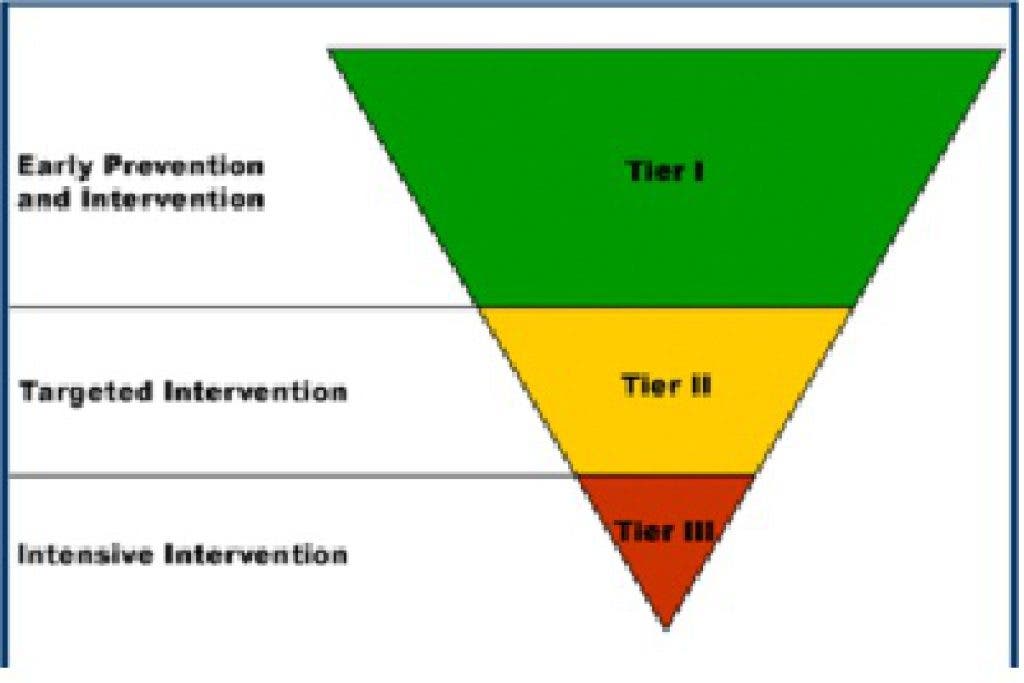
The Malden Public Schools in grades K-5 make use of a 'response to intervention' model in reading.
Response to intervention, often abbreviated RTI, is based on three levels or tiers, with each level getting more intensive. Placement of students on these tiers is based upon reading assessments completed at the beginning of the year.
Find out what's happening in Maldenfor free with the latest updates from Patch.
Tier One
Find out what's happening in Maldenfor free with the latest updates from Patch.
In Tier one, students receive access to the core reading program. Malden Public Schools uses Reading Street as our reading series. Part of the instruction is given to the whole class.Teachers also break the class into small groups to provide further instruction. In these small groups, students can get instruction based upon their needs.
All students are assessed in reading, which is often called benchmark assessments. In Malden, all K-5 students are assessed using the GRADE which measures reading comprehension and vocabulary. DIBELS is used to measure phonics knowledge and reading fluency.
Tier Two
If a child struggles in Tier I, then a Tier II intervention is needed. Tier II instruction occurs in the classroom. Instruction may be provided by the classroom teacher or a specialized teacher. Tier II instruction is in addition to Tier I. Students are grouped dependent on the particular skill they need. Students are assessed every two weeks to determine if they are making progress.
Once students have made progress, tier II interventions are stopped. If a student is not making progress in tier I and II intervention, the student is considered for more intensive instruction in tier III.
Tier Three
Instruction in tier is the most intensive and is provided by a specialized teacher. Tier III is in addition to Tier I and II. Students who have not responded to Tier II interventions move to Tier III. Teachers assess the students every two weeks and sometimes weekly keeping a close eye on the progress of the student.
Teacher Assistance Teams
Students who continue to struggle after interventions have been implemented are referred to a team of teachers called a Teacher Assistance Team (TAT). The team discusses how to continue to help the student, develops a plan, and continues to monitor the students progress. If a student doesn’t meet goals even after intensive interventions, a student may be referred for a special education evaluation.
Frequently Asked Questions
How do I find out if my child is getting Tier II or III instruction?
The teacher is your best source of information. If you do not know, ask the teacher. Also, ask the teacher what skills your child is working on and what interventions are in place for your child.
How long does a child stay in Tier II or III?
It depends. Teachers assess often to evaluate a child’s progress. Goals are set and interventions are put into place. The success of the intervention determines whether a child stays in tier II or III interventions.
What can I do to help?
The best way to become a better reader is to read. If your child has a real hard time reading, read to them. Reading aloud to your children counts as reading. Also, ask the teacher how you can help at home.
For More Information
- Response to Intervention Primer for Parents
- A Parent's Guide to Response to Intervention
- Understanding the Response to Intervention Process A Guide for Parents
Our Malden Patch Blog is an effort of the Malden Public Schools Title I Program to outreach to parents and help strengthen home and school connections. Parents are encouraged to contact the Title I Family Coordinator, Pat Fish and Paul McCarthy, at pfish@malden.mec.edu and pmcarth@malden.mec.edu or 781-388-0663 for any assistance or questions.