Neighbor News
BBB Offers Information and Tips for Spring Break Travelers
BBB is warning consumers to look out for scams when making vacation plans for Spring Break.

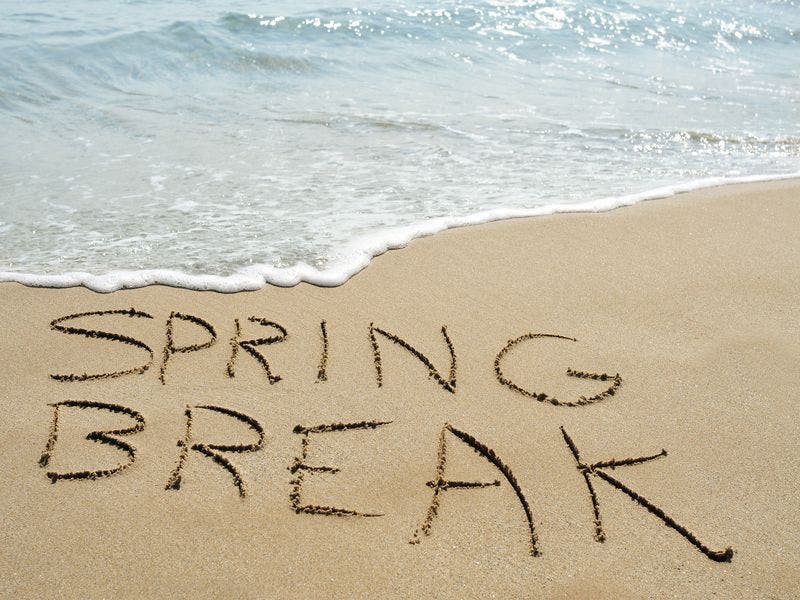
For teachers, students, or anyone who is craving an end-of-winter vacation, Spring Break is just around the corner. Planning your trip may require making reservations with multiple businesses whether online or over the phone, which unfortunately has shown to lead consumers to scammers looking to take advantage of those looking for a relaxing getaway.
Better Business Bureau Serving Eastern MA, ME, RI, & VT (BBB) is warning consumers to look out for scams when making vacation plans for Spring Break.
According to BBB Scam Tracker, consumers nationwide reported nearly 2,300 complaints to BBB relating to online travel agencies just in 2016, which is a 28% increase over the year prior. The leading cause for complaints are issues with guarantees, followed closely by problems with refunds or exchanges and poor customer service.
Find out what's happening in Marlboroughfor free with the latest updates from Patch.
“When you begin planning your vacation, it could be tempting to accept that too-good-to-be-true offer,” says Paula Fleming, Chief Marketing & Sales Officer for the local BBB. “BBB recommends doing your research and a finding a business you can trust first at bbb.org.”
BBB offers the following tips to ensure a scam-free getaway:
Find out what's happening in Marlboroughfor free with the latest updates from Patch.
Use reputable websites. Check out travel agencies at bbb.org/boston or search the Accredited Business Directory. If you’re using services like Airbnb or VRBO to find accommodations, be sure to research the business and read customer reviews about any rentals you’re considering.
Get details about your trip in writing. Before providing any form of payment, get everything in writing. Make sure all verbal agreements are also provided in writing. Review all terms and conditions, taxes and fees, and cancellation policies. Confirm all reservations, total cost, flights, hotel reservations, cancellation policies, or any restrictions that may apply.
Use a credit card as payment. Paying by credit card offers additional protection should something go wrong or you need to dispute a charge. Never send a wire transfer or prepaid money card for an unsolicited offer as these types of payments are difficult to track and make it impossible to get your money back.
Consider purchasing travel insurance. Travel insurance is designed to cover such things as trip cancellations or medical emergencies. There are different levels of coverage based on what type of plan you purchase. Always read the fine print to see what’s covered and what’s not.
Use caution when considering deals. If a deal or package offers a lot for a very low price, be wary. Watch out for phone calls, emails, faxes and mail claiming that you’ve “won a trip.” It’s easy to extend phony offers like these, but the vast majority of them leave hopeful travelers in limbo – and out money. Also be wary of free trip offers being shared or going viral on social media platforms like Facebook. Often these posts are tricks to capture your personal information and not to send you on a vacation.
If you have been a victim of a Spring Break scam, report the scam to BBB Scam Tracker and file a complaint with your local BBB at bbb.org.
For more information you can trust, visit us at bbb.org/boston, like us on Facebook, or follow us on Twitter and Instagram.