Politics & Government
A Long, Weird Night At City Hall Had It All — Except Many Results
An ordinance on vacant storefronts passed, but short tempers and general confusion highlighted a meeting in which not much else got done.


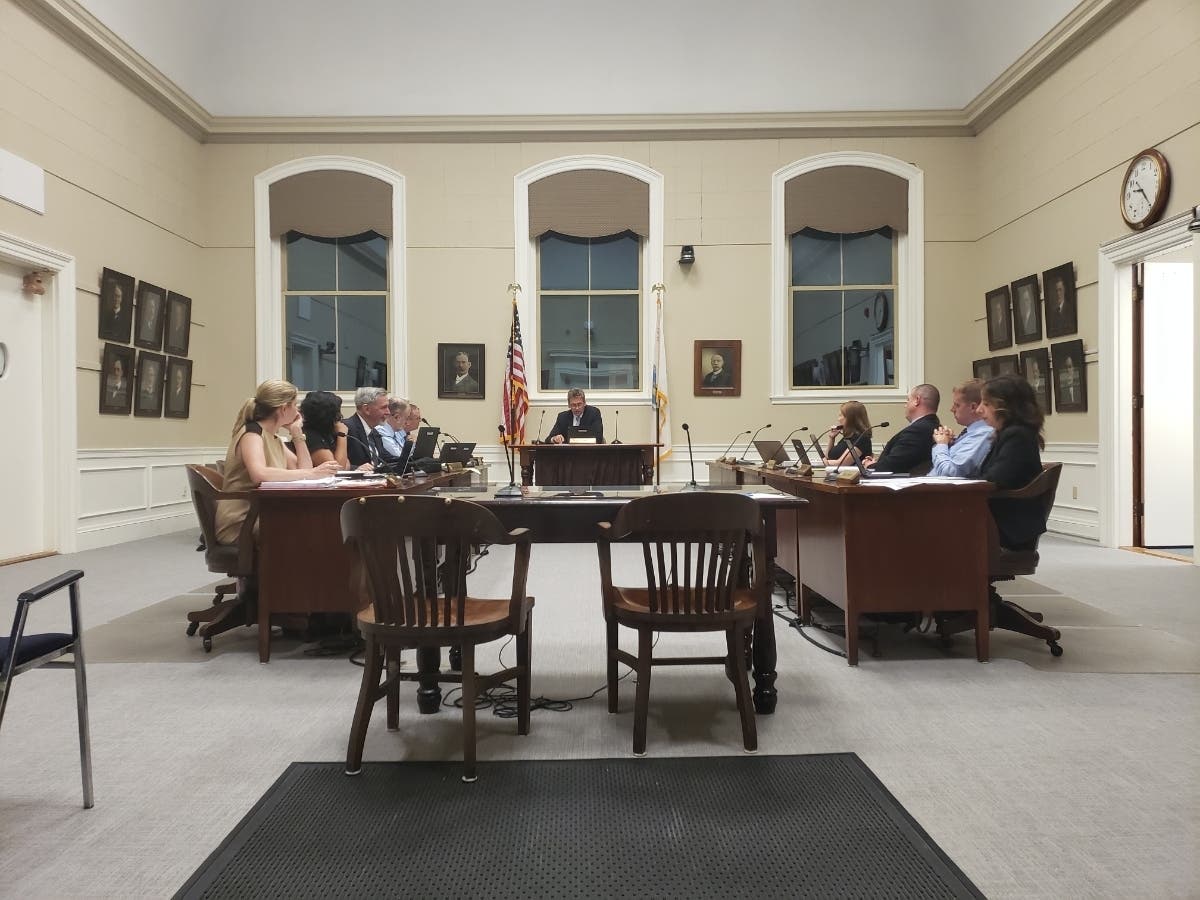
MELROSE, MA — Thankfully the news cameras weren't here for this one. An overall weird night for the Board of Aldermen gave way to an order that will try to address a vacant building issue that the city says doesn't exist, but little else was decided over almost 3 hours, 45 minutes of discussion.
Along the way there were start-and-stop motions and ordinances, in-fighting about the Brazil Street response and the world record in deliberation about something called a splash stick. But two of the three ordinances that some 20 people came to speak and hear about were punted on during one of the rare summer Board meetings.
Here's a quick look at what happened in the aldermanic chambers:
Find out what's happening in Melrosefor free with the latest updates from Patch.
One thing that did get done was an ordinance that attempts to give the city even the smallest measure of control in regards to the numerous vacant commercial properties that aesthetically assault residents and visitors, particularly downtown.
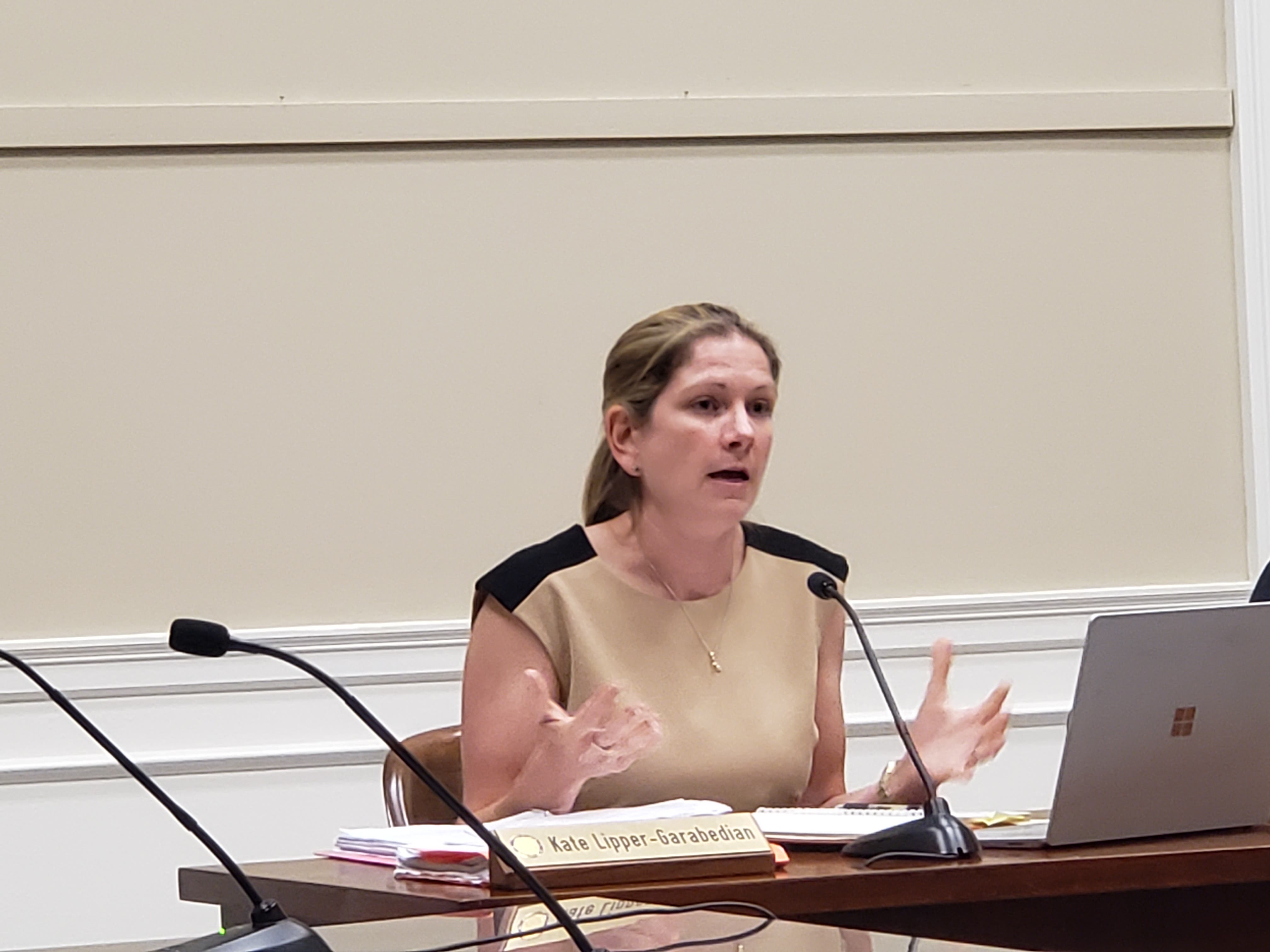
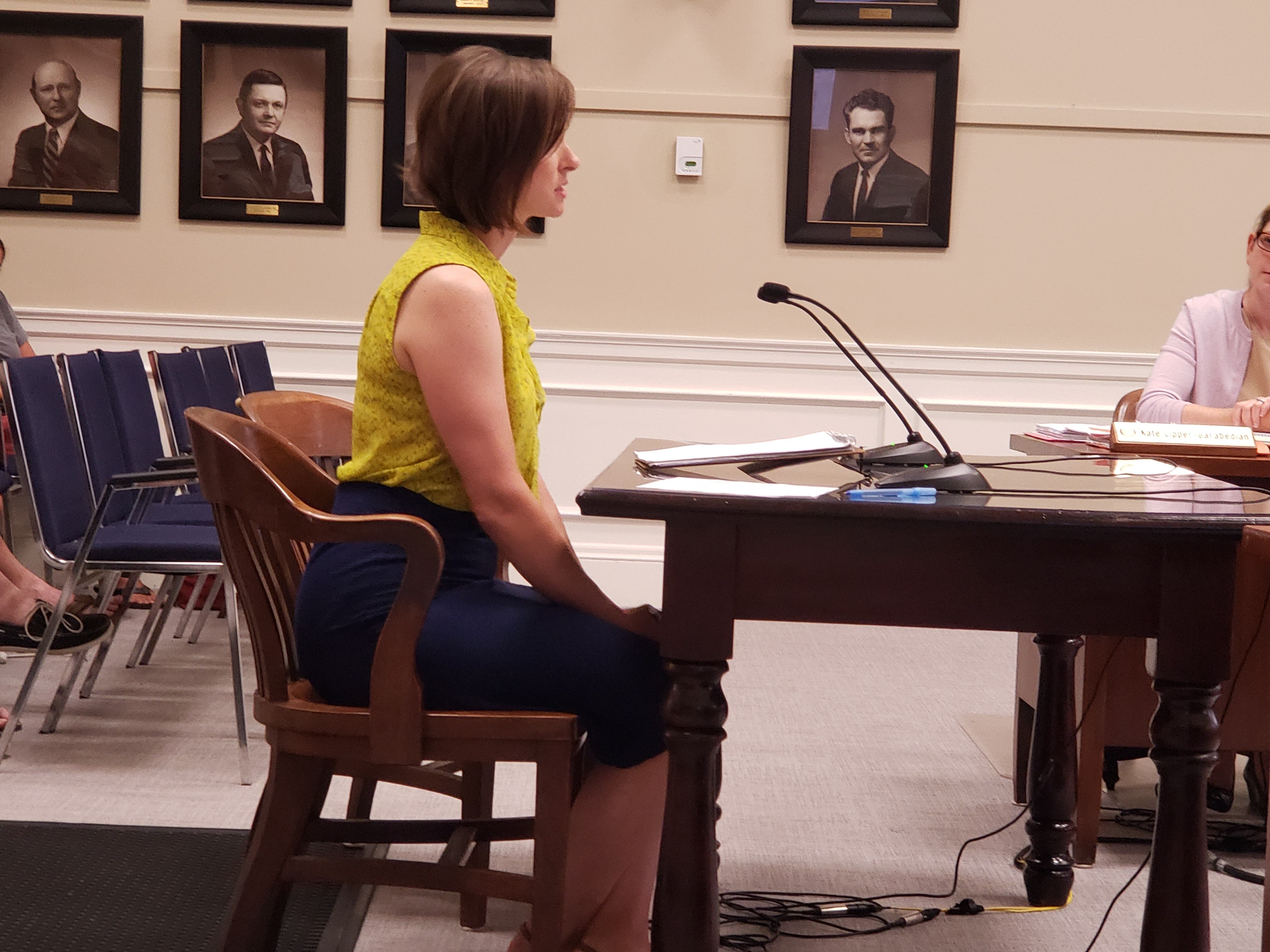
Alderman Kate Lipper-Garabedian's ordinance will see public art go in the windows of vacant commercial properties with a ground-level storefront or face a $400 annual fee, with some exceptions.
Find out what's happening in Melrosefor free with the latest updates from Patch.
"The primary goal of this ordinance is to maximize our commercial sector," Lipper-Garabedian said.
A version of the measure is in effect in a few dozen communities across Massachusetts, Lipper-Garabedian said.
The city, which doesn't think there is a problem with vacant buildings outside of some high-profile cases like the old Caruso's, said the ordinance will be an unnecessary burden.
"I fear that this Order, which requires building owners to register their vacant commercial buildings and pay a fee or display artwork will encourage building owners to make rash decisions about tenants that could be counterproductive and create unintended consequences," City Planner Denise Gaffey said in a letter to the Board.
Mayor Gail Infurna also opposed the ordinance, indicating in a letter from her staff it could damage relationships with local developers and property owners.
The discussion was one of the more uneventful of the evening, though there appeared to be some indecision on whether it would even be voted on by the full Board Monday night. When it did finally get voted on, it passed with the minimum eight votes. (Only 10 members were present; Alderman John Tramontozzi was absent.)
Alderman and mayoral candidate Monica Medeiros voted against it, voicing concern that the ordinance would discriminate between businesses that have a ground-level storefront and those that don't. Alderman Peter Mortimer responded that all laws discriminate, whether how old you have to be to vote or run for president or zoning laws.
"Discrimination and discernment is what makes a better community ... Discernment has a bad connotation, but sometimes it's better to discriminate for benefit of the public welfare and to have the best possible city we can have," Mortimer said.
The other "no" vote came from Alderman Shawn MacMaster, who was concerned about potentially hurting small business owners. He instead suggested a tax credit go to those who comply voluntarily as opposed to a fee to those who don't. Lipper-Garabedian said the ordinance would impact landlords, and in fact would help small business owners by keeping business areas a vibrant destination.
Alderman and mayoral candidate Manisha Bewtra supported the ordinance, but echoed the city's stance in that it may not have the effect some think it will, since many of the higher-profile vacancies have a building permit and will be under construction, making them exempt.
Ham radios. Rotary phones. Plastic straws?
Well it's not that drastic, but the Board discussed at length an ordinance that would presumably go a long way in reducing the use of single-use plastic straws. The ordinance does not ban plastic straws, but rather requires a customer to specifically request one at a retail establishment like a restaurant or coffee shop. The customers who request a plastic straw would be expected to keep it during the duration of their stay.
At the end of the night, the order's creator, Frank Wright, opted not to bring it before the full Board despite much deliberation in the Legal & Legislative committee, in which he as Chair had to cast a tie-breaking vote to favorably recommend his own order earlier in the evening.
It's not clear why Wright didn't want the ordinance to be voted on by the full Board Monday. He rushed out of the aldermanic chambers once the meeting ended, telling Patch he had no interest in comment.
A violation of the Wright's proposed ordinance would result in a warning the first time, a $25 fine the second and $50 a third and subsequent offenses.
The ordinance would go into effect Dec. 1.
"While this is not a cure-all to the plastic issues we have in our world, it's a small step we can take in the right direction," Wright said.
Alderman Scott Forbes opposed the measure, likening it to when Melrose banned single-use plastic bags in 2017. While he supported and still supports the spirit of that ban, he has been disappointed with the implementation at places like Shaw's, which replaced plastic bags with often flimsier paper bags that sometimes come without handles.
If someone wants something other than a plastic straw, let them ask for it, Forbes said. Just don't force it on them — especially if they share his disdain for the taste of a paper straw.
The discussion was ripe with juicy details of Board members' lives. Forbes copped to spending $15-$20 per week at Dunkin', while Wright revealed he usually prefers most restaurant beverages sans straw.
Bewtra took three stabs at an amendment that resulted in swapping out the word "stirrer" with "stick." It finally stuck, so splash sticks will likely be included if and when the ordinance passes.
Eleven residents spoke during public comment; all of them supported the ordinance.
"We are way beyond the point in human society where we should be using plastic straws," Alderman-at-Large and mayoral candidate Mike Zwirko said.
"This is a step in the right direction that isn't too tough to swallow," Mortimer said. "It's easy enough."
For the second time this year, a proposed ordinance to legislate shared mobility vehicles such as bike-sharing services didn't make it out of the committee meeting.
The order would have instituted a licensing agreement, require designated station areas and made sure sidewalks remain clear of bicycles, according to Medeiros.
"We license every other entity that uses our public roadway," Medeiros, who again put forth the order, said.
Several people, including members of the Pedestrian-Bicycle Committee, believed the restriction was too severe. The city already has a Memorandum of Understanding
"I think this one goes a little too far," Mortimer said.
The ordinance was not voted, even at the committee level.
During a motion to essentially put to rest the resolution asking the city to provide an independent environmental specialist to inspect the Brazil Street homes — a resolution the mayor said she will not act on — tensions arose.
Forbes blasted the city's refusal to act and criticized Health Director Ruth Clay's inspections of the homes, which the residents said were quick and incomplete.
"Why was the city satisfied using ordinary protocols for such extraordinary circumstances?" Forbes asked.
After Bewtra lamented what she said felt like an unsatisfactory conclusion to the ordeal — and suggesting all involved parties go to a mediator — Wright took aim at his colleagues.
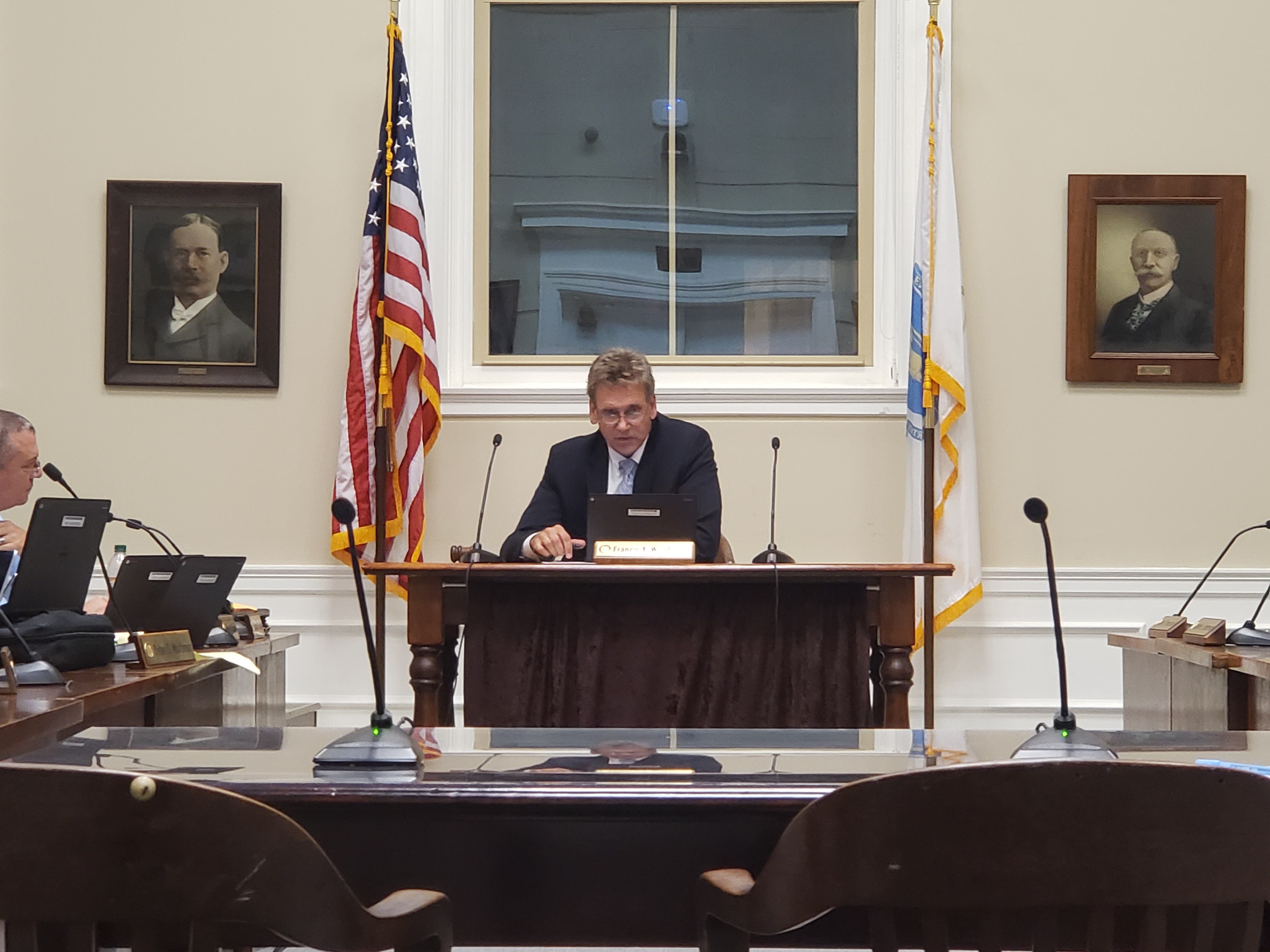
Speaking tersely, Wright was upset with the lack of cooperation between city officials and the Board, apparently directing his comments toward MacMaster. He then chastised the Board for holding a special meeting to vote for the resolution — which Wright did not attend (he often doesn't make Thursday meetings) — claiming he wasn't properly told via written notice.
"We all make mistakes," Wright said. "It was a mistake ... That was a state law, it cannot be changed by a rule of this board or an ordinance. It's state law. If it wasn't complied with it falls on the people who exercised it.
"And it was a mistake, everyone makes mistakes, so let's instead of going to our corners and coming out fighting, I would rather see us all work together. And sometimes you win, sometimes you lose, but at the end of the day you shake hands and keep moving forward. And I don't think thats whats going on in this city right now and I'm disappointed."
MacMaster responded by saying an email did go out to Board members, which is an acceptable notification per the most recently revised Charter, he said.
Forbes capped the evening by expressing disappointment the Public Safety Building Committee, which is responsible for addressing the outdated public safety buildings' infrastructure, has not met for over a year despite his efforts.
Get more local news delivered straight to your inbox. Sign up for free Patch newsletters and alerts.