Health & Fitness
‘It’s A Blessing’: Milford Woman Defies Odds After Double Lung Transplant
Carmen Camacho once wondered whether a donor match would arrive in time, and is now using her second chance to advocate for organ donation.


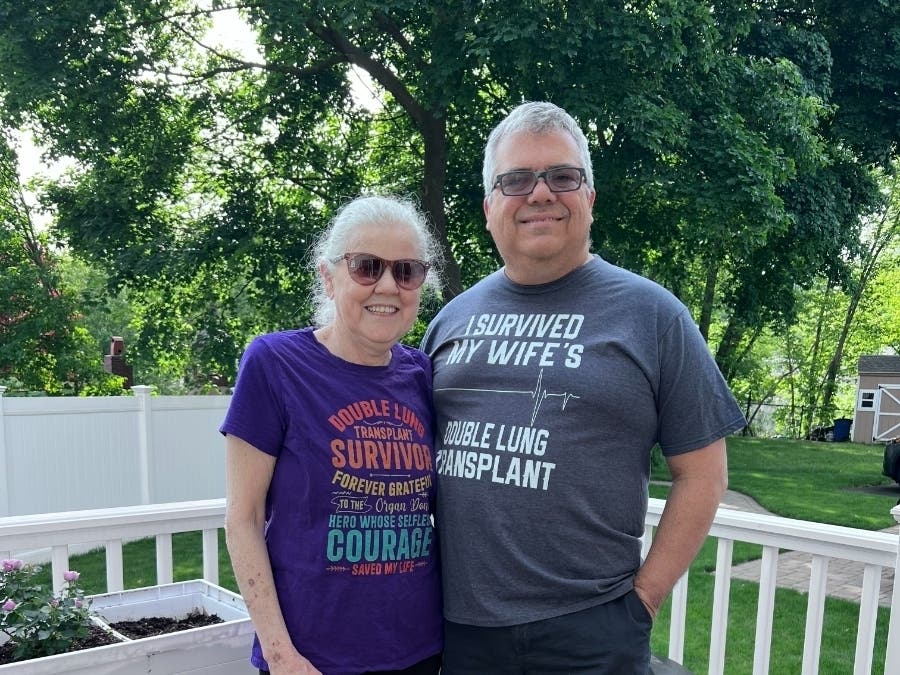
MILFORD, MA — A Milford woman who once wondered whether a donor match would arrive in time is using her second chance to advocate for organ donation.
Carmen Camacho, a Puerto Rico native and therapist who has lived in Milford for about five years, received a double lung transplant in May of 2025. The procedure came after she had been living with pulmonary fibrosis caused by Hermansky-Pudlak syndrome.
HPS is a rare genetic form of albinism that can cause a bleeding disorder, vision impairment, and pulmonary fibrosis, among other symptoms, according to HPS Network.
Find out what's happening in Milfordfor free with the latest updates from Patch.
During Hispanic Heritage Month, which runs from Sept. 15 to Oct . 15, Camacho is sharing her experience through New England Donor Services to encourage more Hispanic community members to become organ donors.
A Difficult Search For A Donor
Camacho said she began showing minor signs of pulmonary fibrosis years ago and knew she might eventually need a transplant.
Find out what's happening in Milfordfor free with the latest updates from Patch.
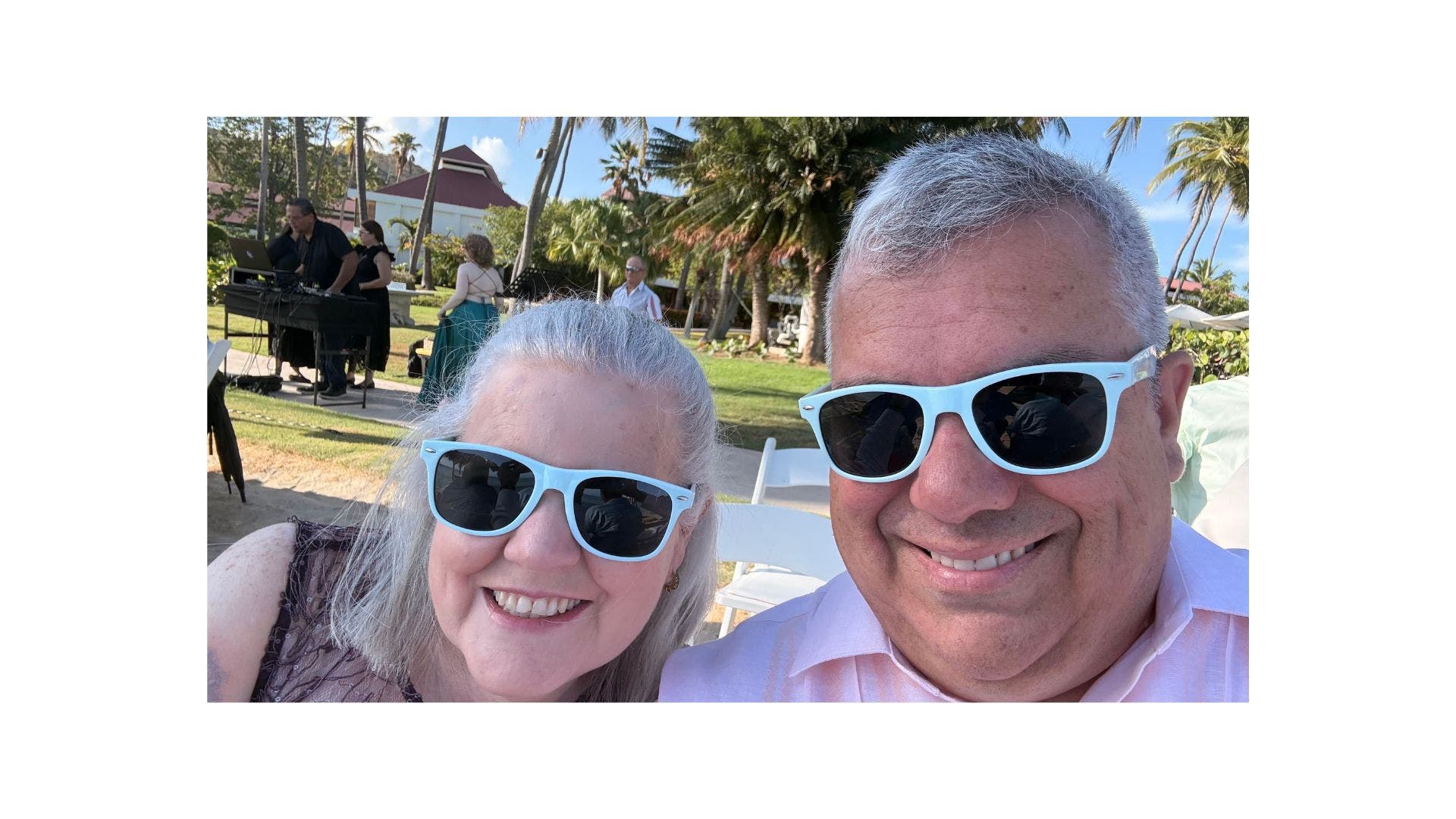
She told Patch that her path to surgery was complicated by antibodies she developed after receiving multiple blood transfusions. She said those antibodies made it difficult to find a compatible donor.
“Matching me with a lung was really, really difficult, actually almost impossible,” Camacho said.
She was placed on the transplant waiting list at Brigham and Women’s Hospital before also listing through NYU Langone Health in New York, she told Patch. Doctors there began treatments to lower her antibody levels.
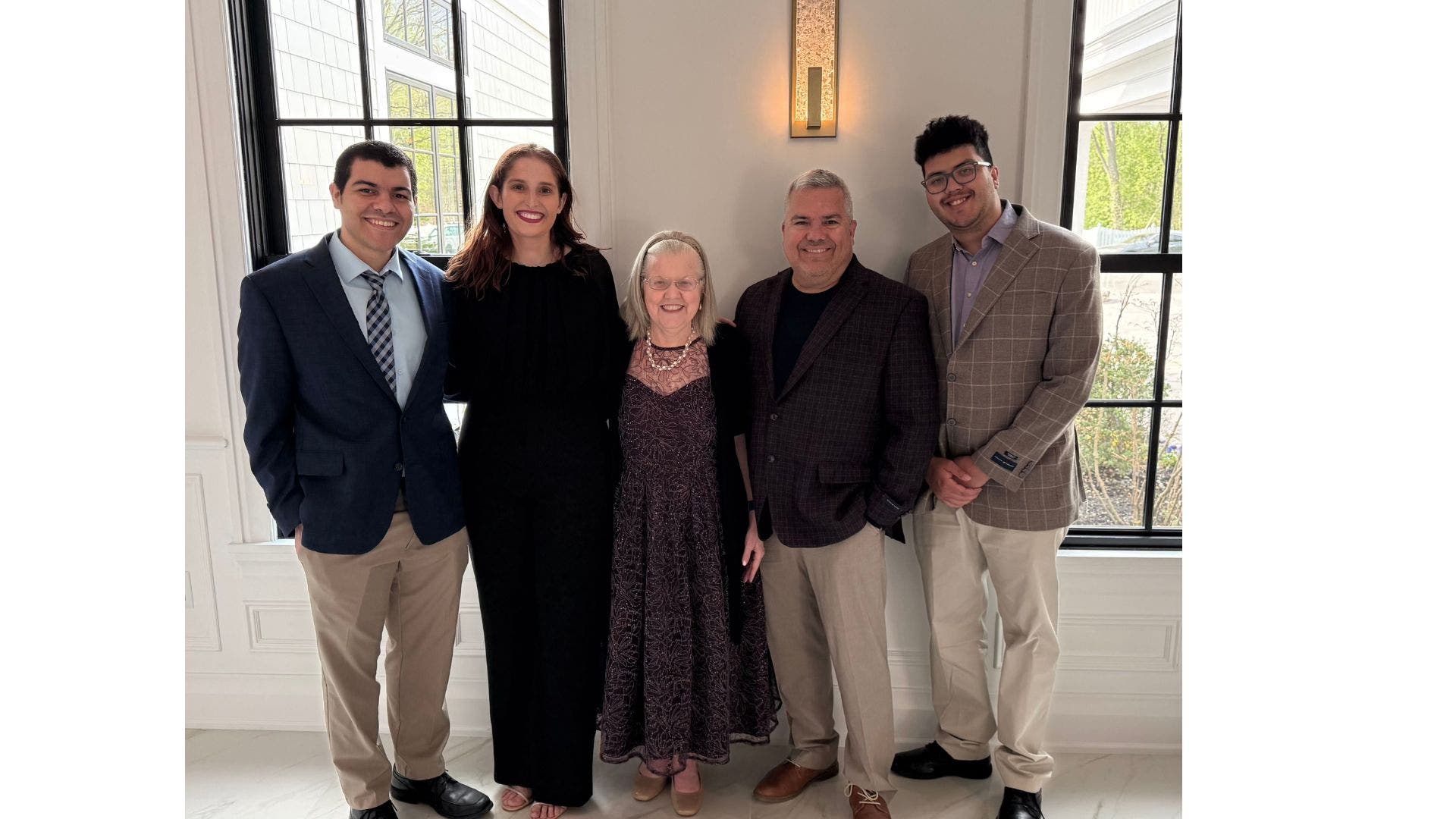
The treatments helped, but Camacho’s health was worsening quickly. Her condition had become so serious that she said her family was preparing for the worst.
“When they called me to tell me that I got the organ, my husband was actually talking to the funeral home,” Camacho told Patch.
About six weeks later, she received the transplant, and after, she wrote to her donor’s family to express her gratitude.
“I just wanted them to know the gift they had given me and the difference that their gift made,” she told Patch.
Camacho Returns To Work, Family
Camacho has since returned to her work as a therapist at Advocates, seeing patients remotely from her Milford home. She said all her patients chose to return after her recovery.
“They were like, ‘We knew you were coming. We were praying for you. We knew you were going to be back,’” Camacho said.
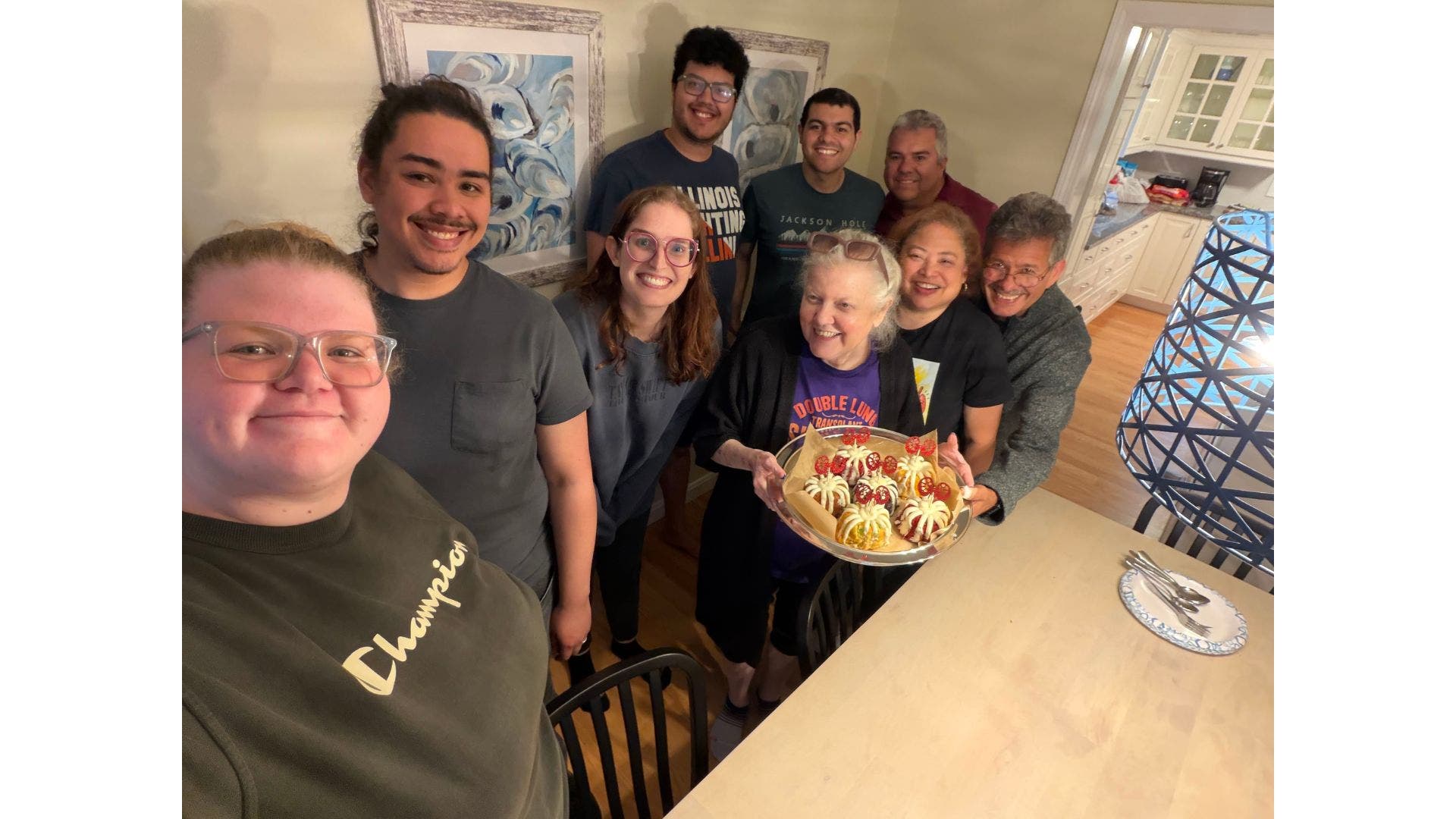
She has also been able to spend more time with her husband, two sons, daughter-in-law and 89-year-old mother. Her older son and daughter-in-law moved from New York to Milford to help the family through the transplant process.
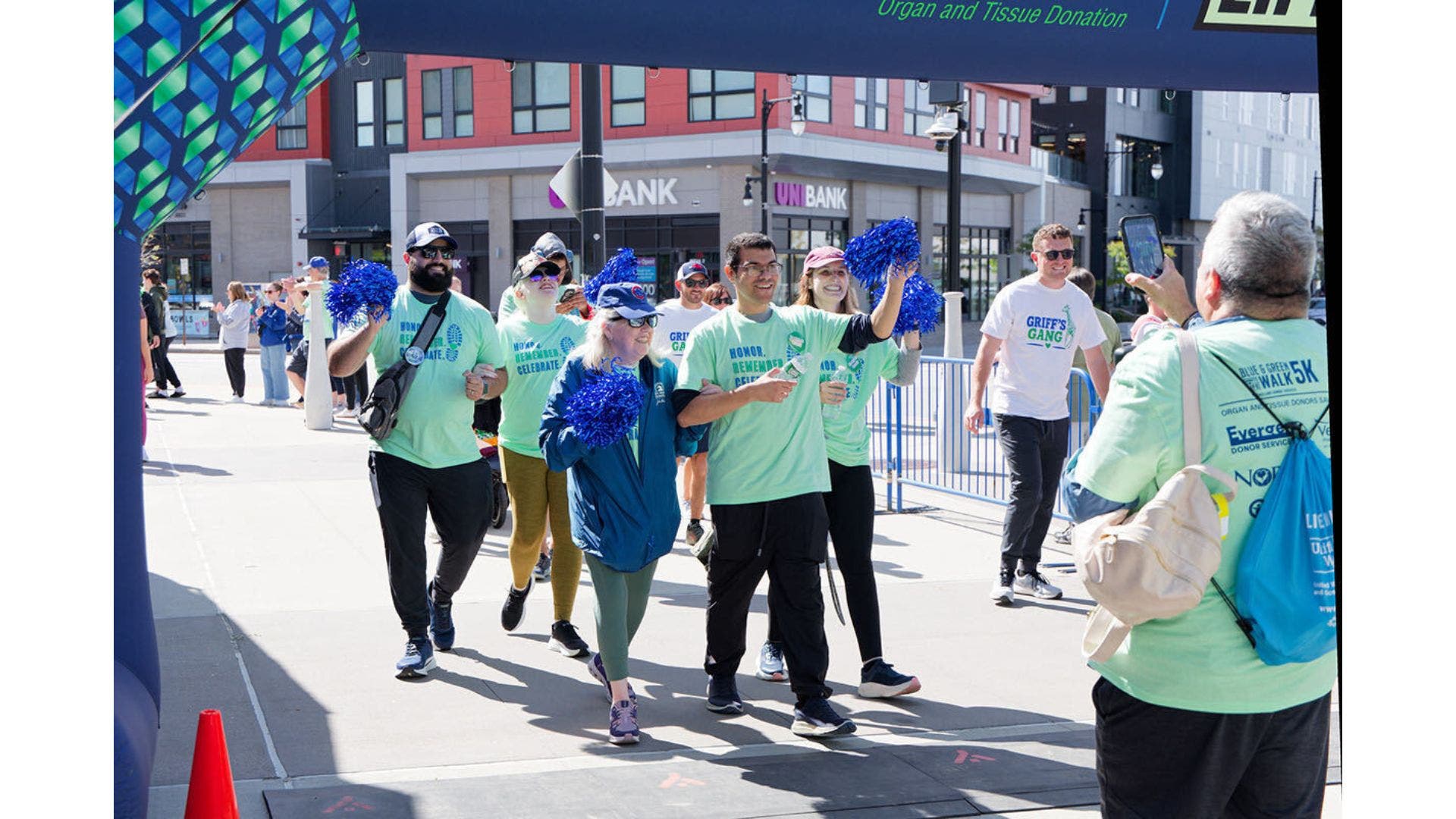
She also recently completed the New England Donor Services 2026 MA Blue & Green Walk/5K in Worcester with 11 friends and relatives, her first event like this since the transplant.
Although she is grateful for her progress, Camacho said recovery requires a lot of work and medical care.
“Transplant is not easy,” she said. “It is a lot of care. You really want to be committed to the care that takes after transplant, but it is a blessing and it is a gift to be here.”
Addressing Disparities In Organ Donation
Hispanic patients account for about 24 percent of the national organ transplant waiting list, according to the U.S. Department of Health and Human Services Office of Minority Health. Compatible blood types and biological markers are often more common among people with similar racial or ethnic backgrounds, so donor diversity matters.
“If you don’t have people from these backgrounds donating, that puts the community at a disadvantage in getting transplanted because they are not finding the appropriate match,” Camacho told Patch.
As a New England Donor Services volunteer, Camacho shares information about organ donation and addresses fears or misconceptions within the Latino community.
“My purpose is to bring out the information about transplant and organ donation and the importance, and try to defeat those myths that people have about donating organs,” she said.
Supporting Other Transplant Patients
She also serves on the Hermansky-Pudlak Syndrome Network’s board of directors, works as its New England area coordinator and supports other patients navigating the transplant process.
She said access to transplant care is another significant obstacle. Patients in Puerto Rico who need certain types of transplants may have to leave their families and relocate to the mainland U.S. for care.
“I count my blessings because I know that others are not as blessed,” Camacho said. "We don't take it lightly. It's such a gift and such a sacrifice."
See Also:
Get more local news delivered straight to your inbox. Sign up for free Patch newsletters and alerts.