Politics & Government
House Passes Climate Change Legislation Amid Pandemic
Sets 2050 net zero greenhouse gas emissions limit, supports green programs for underserved populations
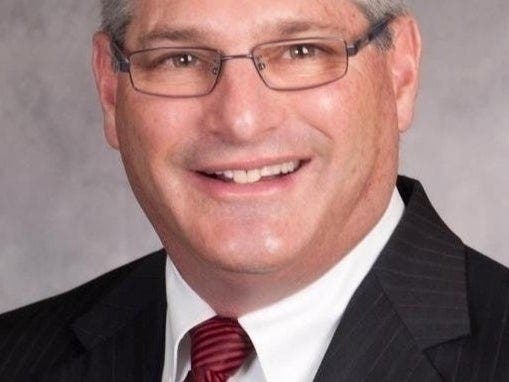
Boston – Representative David P. Linsky (D- Natick) joined Speaker DeLeo and their colleagues in the House to pass legislation building on the House’s continued commitment to address the effects of climate change by requiring the Commonwealth to achieve net-zero statewide greenhouse gas emissions by 2050. An Act Creating a 2050 Roadmap to a Clean and Thriving Commonwealth (H. 4933) was passed in the House on July 31 by a vote of 142-17.
For the first time, this legislation establishes the criteria in statute that define environmental justice populations. H.4933 also increases support for clean energy workforce development programs, improves access to renewable energy and energy efficiency programs for low-income communities, and requires the state to increase its use of renewable resources for its electricity needs.
“I was proud to join my colleagues in voting to pass a strong piece of climate control legislation backed by science that will meet our aggressive climate goals while keeping environmental justice at the center.” said Representative Linsky. “I want to thank Speaker DeLeo, Chair Golden and my colleagues in the House for all their hard work in passing this incredibly time sensitive legislation.
Find out what's happening in Natickfor free with the latest updates from Patch.
The legislation includes the following provisions.
- Sets a statewide net zero limit on greenhouse gas emissions by 2050. In addition, sets one of the most ambitious interim limits in the nation for 2030 and 2040 – at 50 percent below 1990 emissions levels and 75 percent below, respectively.
- Defines environmental justice populations as those that fit into one of following criteria:
- not more than 65 percent of the statewide annual median household income;
- minorities comprise 40 per cent or more of the population;
- 25 percent or more of households lack English language proficiency; or
- minorities comprise 25 percent or more of the population and the median household income of the municipality in which the neighborhood is located does not exceed 150 percent of the statewide annual median household income.
- When affecting environmental justice populations, the legislation requires project developers to incorporate environmental and public health impacts in the planning and development of projects, and improves public participation in the review process.
- Prioritizes incentives that benefit and increase equitable access to low-income and underserved populations in the state’s solar and energy efficiency programs including weatherization and fuel assistance programs.
- Allocates additional funding for clean energy, equity workforce programs.
- Incorporates higher energy efficiency standards for a variety of common appliances including plumbing, faucets, computers and commercial appliances.
- Increases the required total procurement of offshore wind power by an additional 2,000 megawatts.
- Adopts several measures aimed at improve gas pipeline safety, including increased fines for safety violations and expedited timelines for repairing gas leaks.
- Increases the required minimum percentage of the state’s renewable energy via updates to The Commonwealth’s renewable portfolio standard (RPS).
The bill is now in conference committee.
Find out what's happening in Natickfor free with the latest updates from Patch.
###