Neighbor News
Before You Pay the Vet Bill, Ask These Questions
What pet owners should know about vet bills, unexpected costs and choosing a veterinarian they can trust.

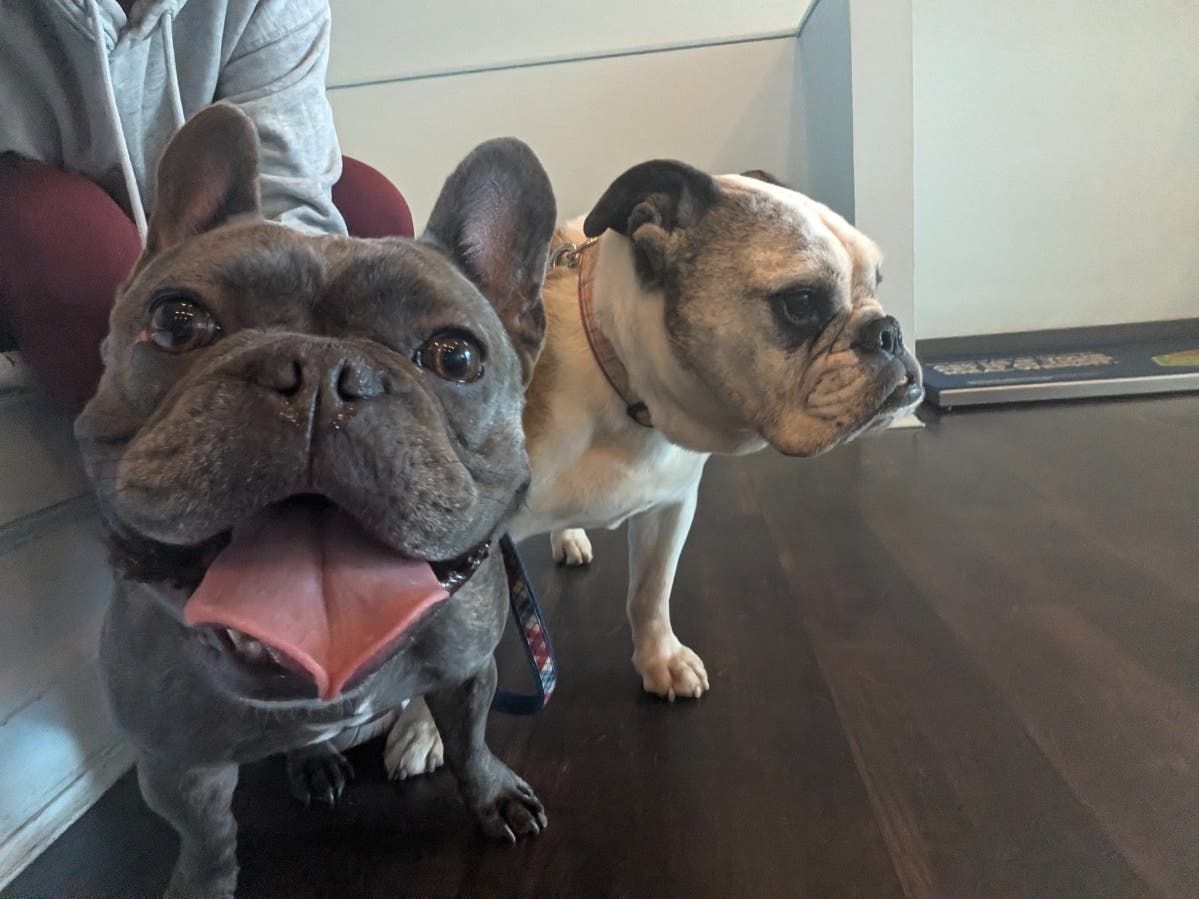
If you have a bulldog, you probably already know that veterinary visits can become part of the routine.
If you have two, like I do, you may feel like the vet should give you your own parking spot.
Recently, I brought Bogey, my Frenchie, and Bella, my English bulldog, to the vet. Somewhere between getting them inside, keeping them calm and trying to listen to everything the veterinarian was saying, I had a consumer moment:
Find out what's happening in Natickfor free with the latest updates from Patch.
Do I really understand what I’m paying for?
When it comes to our pets, emotions can take over. We want them healthy, comfortable and cared for, so when a test, medication or treatment is recommended, many of us simply say yes.
Find out what's happening in Natickfor free with the latest updates from Patch.
But asking questions about the cost does not mean you care any less about your pet.
It means you are making an informed decision.
Start asking questions before the appointment
If you are visiting a new veterinary practice, ask what the examination fee is and what it includes.
If your pet needs a procedure, testing or other treatment, ask whether the practice can provide an estimate ahead of time.
You may also want to ask:
- What services are included in the estimate?
- What could cause the price to increase?
- Will I be contacted before additional non-emergency treatment is performed?
- What follow-up care should I expect?
These questions can help prevent surprises later.
Don’t just look at the total
When you receive the bill, take a minute to review the breakdown.
Look for separate charges for:
- Office visits or examinations
- Laboratory work
- Diagnostic testing
- Medications
- Procedures
- Hospitalization or monitoring
- Additional services
If you do not understand a charge, ask what it includes.
A line item being unfamiliar does not automatically mean there is a problem. Veterinary care involves trained professionals, equipment, testing and medications that pet owners may not see behind the scenes.
You should simply understand what you are paying for.
Ask what needs to happen today
Another useful question is:
“Is this necessary today, or can it safely be monitored or scheduled later?”
Ask your veterinarian to help you understand the difference between what is essential, recommended and preventative.
You can also ask what alternatives are available and what could happen if you decide to wait.
The goal is not necessarily to choose the least expensive option.
It is to understand your choices.
Choosing a veterinarian? Look beyond convenience
A veterinary practice being five minutes from your house is certainly convenient.
But location should not be the only factor.
Consider:
How easy is it to get an appointment?
Do staff members explain recommendations clearly?
Are costs discussed before non-emergency services are provided?
Do you feel comfortable asking questions?
What happens if your pet has an emergency after hours?
Does the practice offer the services your pet may need as they age?
And perhaps one of the biggest indicators of trust:
How do you feel when you ask a question?
You should not feel uncomfortable asking what something costs or why a particular treatment is being recommended.
Thinking about changing vets?
Request a copy of your pet’s medical records before making the switch.
That may include vaccination history, laboratory results, medications, diagnoses and prior treatments.
Then try to establish care with the new practice before an emergency occurs.
That way, the first time your veterinarian meets your pet is not during an already stressful situation.
Bogey and Bella certainly do not care about itemized invoices.
Their priorities are treats, attention and naps.
But they are family.
And part of caring for them is understanding who I am trusting with their care, what is being recommended and what I am paying for.
Before your next veterinary visit, take an extra minute.
Read the bill.
Ask the question.
Get the estimate.
And choose a practice where you feel comfortable doing all three.
What pet owners should know about vet bills, unexpected costs and choosing a veterinarian they can trust.
What pet owners should know about vet bills, unexpected costs and choosing a veterinarian they can trust.
Looking for a veterinarian or thinking about making a change? Visit BBB’s veterinarian resource page to research businesses, read reviews and learn more before choosing who will care for your pet. bbb.org/us/category/veterinarian