Health & Fitness
Harder, Faster, Longer: Understanding Exercise Intensity For Body Fat Loss
Think of the exercise session as the time you spend with an architect drafting blue prints for your dream house. The adaptations to the exercise actually happen at rest, after the workout.



Having been in the fitness industry for over 15 years at this point, it seems the debate on nutrition never ends. Moreover, the same questions tend to come up all the time. In my first Patch blog post Calories May Not Add Up When Losing Body Fat Is The Goal I addressed the question of nutrition for fat loss and how its more related to hormones than calories. Now that we have the nutrition down, this post is focused on how to use exercise to maximize fat burn.
Have you ever been on a piece of cardiovascular equipment and wondered how to maximize fat burn? Then you look down to see the chart that gives you all the answers you need: heart rate training zones and fat burning versus cardiovascular fitness (See photo), which is technically correct and miss leading all at the same time. How so, you ask? Great question!
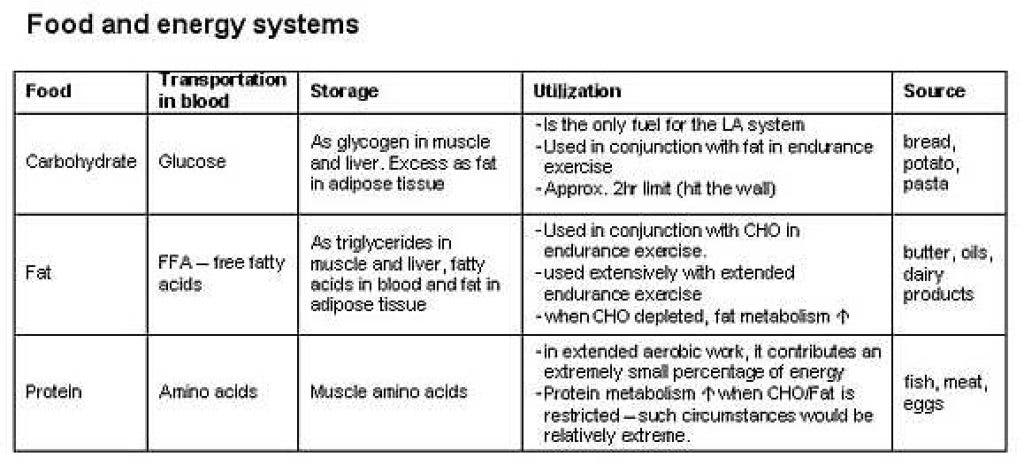
Let's think about a couple of different types of similar fuels that we may use on a regular basis: kerosene, gasoline and diesel. All 3 are fossil fuels, yet you would not want to put kerosene or diesel in your mid sized sedan. Now, let's look at three different body fuels: carbohydrates, protein and fat.
Find out what's happening in North Andoverfor free with the latest updates from Patch.
Protein is more of a building block and not a primary fuel for the body. It's like burning bricks and pressure treated boards as fuel, instead of using them to build structures. We don't want the body to be in a position of regularly burning protein, really. The best way to avoid this is to make sure you are avoiding starvation-like diets that severely restrict calories as a focus.
Carbohydrates and fats are “true” fuels for the body, with fat actually being the primary fuel for the human body. Oh, you thought carbohydrates were? Well, it depends on who you are and how you train and live. Do you get paid for your brain, or your brawn? Are you highly active in your job and lifestyle, or relatively sedentary?
Find out what's happening in North Andoverfor free with the latest updates from Patch.
Carbohydrates are the best form of fuel when we do things that involve a lot of force and strength over a short time frame. Think sprinting, weight lifting and lifting heavy construction materials; short bursts of high force output. These activities are largely anaerobic, meaning “without oxygen,” and, therefore, need a fuel source that can be converted into cellular energy (ATP) without oxygen.
Fats are the best form of fuel when we do things that involve low force and strength over a longer period of time. Think marathon running, long distance cycling and rhythmic activities that last longer than 5 minutes. The conversion of fat to cellular energy (ATP) requires oxygen and is, therefore, aerobic.
Want to burn carbohydrates? Sprint! Want to burn fat? Go for a long walk! Sound simple enough? Well, this is where it starts to get tricky. Human metabolism is not like a switch that turns fuel on and off. The truth is no matter what you are doing, you are burning some of each fuel. Human metabolism is more like a shift in percentages than a switch. So, even when you are sprinting your body will need to use a little fat. Conversely, if you run the marathon you will be burning some carbohydrate, as well (See photo).
Now, if your goal is to maximize the amount of fat you are burning because you want to get lean, your focus should not be on the exercise session, itself, but what that exercise session does for your body and metabolism as a whole. Think of the exercise session as the time you spend with an architect drafting blue prints for your dream house. The adaptations to the exercise actually happen at rest, after the workout. I will use an analogy to illustrate what can actually happen as a direct result of how you exercise.
Think of a cup. The size of this cup coincides with the amount of muscle mass you have, as well as your liver. The human body stores carbohydrate specifically in the muscles and liver and this is a defined amount based on the volume and mass of this tissue. Once you fill up the muscles and liver with stored carbohydrate (glycogen), they can hold no more, just like filling an 8 oz cup with exactly 8 oz of water. If you add more water to the actual 8 oz cup, it doesn't expand to accommodate the added water. Similarly, once the muscles and liver are full of glycogen, they will not expand to accommodate more glycogen. In turn, if more carbohydrate is consumed or is present and the body can not accommodate more stored carbohydrate it must be dealt with. As I stated in the above mentioned post, “eating more carbohydrates than the muscle and liver can store in specific finite amounts will cause fat cells to take up the excess carbohydrate as fat in unlimited amounts.”
The body also likes to make sure we have energy stored for later use. After all, stored carbohydrates will give us slightly more ATP for muscles to use than dietary glucose will. The body knows this and tries to maximize this effect by storing carbohydrates as glycogen whenever possible, like the waiter that keeps refilling your glass of water after every sip.
Are you starting to get it?
If you always have room in your cup, the waiter will always want to add more water to it. In the body, if there is room in your muscles, the body will want to store any dietary carbohydrates in the muscle and liver first before converting them to fat. It wants to fill the cup! If you don't take in enough carbohydrate to fill the cup when you eat, the body will stay in fat burning mode, because it is still “waiting” to fill the muscles with glycogen.
Now we're on to something!
To put it all together, if you want to maximize the amount of fat fuel you burn through out the course of the day you should focus on exercises that require glycogen and carbohydrate, in general, as fuel. So, chose high intensity exercises like weight lifting, interval training and interval based exercise programs and sports if you are focused on losing fat. This way you are “emptying your cup” and putting your body in position to want to store carbohydrate as glycogen whenever you eat them. Said another way, go as hard as you can for as long as you can, rest, repeat! Now your body is primed to continue to burn fat and all you have to do is follow through with a low carb diet that focuses on nutrient dense foods, like fresh veggies and leafy greens, fresh seasonal fruit, nuts and seeds that will still provide some carbohydrates and plenty of fiber. Partner these foods with organic wild and grass-fed meats and fish and cage-free eggs for an all-natural and real food diet that will help you drop those excess pounds of body fat. Again, don't worry about getting “enough” carbohydrates, your body can produce them through a process called gluconeogenesis, anyway. Focus on vitamins, minerals, nutrients and phytochemicals!