Neighbor News
Protecting Your Home with the Right Insurance
Lillian Montalto Brings you information about home insurance

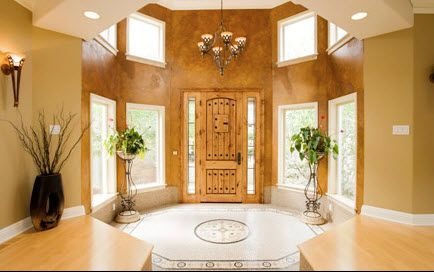
With all of the final details involved in the purchase of your new home, it might be tempting to make a quick, cursory decision about the homeowner’s insurance that you are required to carry. However, a poorly-researched choice of insurance could spell disaster down the line if misfortune befalls you. You’ve just made a huge investment – it’s important to protect it!
Here are a few tips that can help you procure the coverage you need for what is likely your greatest material asset – your new home:
· Shop around. Not all insurance carriers and policies are created equal. Compare rates and coverage with several different carriers. This is most easily accomplished by contacting a trustworthy insurance agent who has access to multiple carriers. He or she can do much of the legwork for you based on your specific situation.
Find out what's happening in North Andoverfor free with the latest updates from Patch.
· Look for a good deal – but don’t skimp. Cheap insurance may seem like a good deal – especially if the notion of needing to file a claim seems unlikely. But in terms of insurance, no one can predict the future, and it’s better to be safe than sorry.
· Understand policy differences. Most basic homeowner’s policies provide liability coverage as well as protection against theft, fire, and most weather-related loss or damage. But it’s important to understand your risk level. Standard policies often exclude coverage against earthquakes and flooding, so if you live in an area prone to either of these possibilities, it’s a good idea to make sure you carry additional coverage.
Find out what's happening in North Andoverfor free with the latest updates from Patch.
· Know what is covered. Sure, the structures on your property might be covered in case of disaster, but are your belongings? Certainly you will want to be able to recoup the value of any of your treasured possessions. You’ll want to consult with your insurance agent (or a company representative, if buying direct) about any particularly valuable items, such as antiques, artwork, or expensive jewelry. You may need a floater in order to ensure that these items are covered for their complete value.
· Ascertain your deductible. A cheaper policy might mean a higher deductible, so you’ll want to make sure that the amount you will need to pay against a claim is something that you can manage without too much hardship.
· Ensure your replacement value. Some policies may provide replacement compensation at the original value paid for an item. Surely, you’ll want to be reimbursed for the current replacement value in today’s market, even on items that were purchased long ago.
If you don’t know where to start when buying homeowner’s insurance, ask your real estate agent for a referral to a reputable company or agent. Having worked with many homeowners in the past to secure insurance, your agent will have experience with different insurers and can help point you in the right direction when it comes to getting the coverage that you need.
Would you like to know more? Visit www.andoverhomes.com for more information.