Seasonal & Holidays
This Is Why More Pets Go Missing On July 4th Than Any Other Day Of The Year
Find out why the Fourth of July can be utterly terrifying for dogs, cats and every animal in between. Plus, tips to keep your pets safe.

With all the fun that comes with the Fourth of July, it's easy to forget that not everyone is so in love with fireworks, beer and roasting all day in the sun. Who wouldn't love all that, right?
Your pet, that's who.
Pets who get upset over thunder, slamming doors or other loud noises find the Fourth of July fireworks utterly terrifying particularly dogs and cats, who often get so freaked out that their survival instincts kick in and they flee their homes in search of safety.
Find out what's happening in Peabodyfor free with the latest updates from Patch.
Visually, fireworks have not changed much at all over the years, partly because they're have never been designed to do much beyond what they've always done, explode with flashing light and drop colorful patterns of light into the sky.
Fireworks remain popular among kids, which is good, but they also remain so frightening to many pets that they can lead them to real dangers.
Find out what's happening in Peabodyfor free with the latest updates from Patch.
Seeing that most pets experience the world through their nose, eyes and ears, it's not surprising that many of the fear loud booms, sudden flashes of light t many of them are frightened by loud booms, sudden flashes of light and unfamiliar smells. Fireworks produce all three.
Some pets barely seem to notice the bombardment. For others, fireworks cause relative mild anxiety that leads to little more for dogs than nervous panting or drooling.
Fear in some dogs, though, can be so intense that it produces enough adrenaline in some dogs that they are able to jump over high fences they had never cleared before or snap their leash or chain with a freakish surge of strength.
No coincidence, then, that American Humane says animal shelters are never busier than on July 5, the day after loudest night of the year that sent so many pets running for the streets. Many of them the shelters take in have been found miles from their homes, having scurried through the streets petrified and running for their lives as the explosions continued to boom around them.
“For many pets, July 4th becomes not a day of Independence but a living nightmare instead,” the Northeast Animal Shelter cautioned on its Facebook page . “Every year during the Fourth of July, our lost dog postings usually increase by at least 80 percent for the first couple weeks of July. Remember a lost dog can happen to anyone! A dog is a dog no matter how well trained. Please remember to take precautions during this Fourth of July.”
The American Society for the Prevention of Cruelty to Animals has more advice about fireworks: keep your pets away from fireworks not only when they're lit but also while they're unused to protect them from harmful powder and chemicals.
Don't forget about your four-legged family members this Independence Day! Keep them safe with these Fourth of July safety tips from the ASPCA:
Never use fireworks around pets! While exposure to lit fireworks can potentially result in severe burns and/or trauma to the face and paws of curious pets, even unused fireworks can pose a danger. Many types contain potentially toxic substances, including potassium nitrate, arsenic and other heavy metals.
Loud, crowded fireworks displays are no fun for pets, so please resist the urge to take them to Independence Day festivities. Instead, keep your little guys safe from the noise in a quiet, sheltered and escape-proof area at home.
Never leave alcoholic drinks unattended where pets can reach them. Alcoholic beverages have the potential to poison pets. If ingested, the animal could become very intoxicated and weak, severely depressed or could go into a coma. Death from respiratory failure is also a possibility in severe cases.
Do not apply any sunscreen or insect repellent product to your pet that is not labeled specifically for use on animals. Ingestion of sunscreen products can result in drooling, vomiting, diarrhea, excessive thirst and lethargy. The misuse of insect repellent that contains DEET can lead to neurological problems.
Always keep matches and lighter fluid out of your pets’ reach. Certain types of matches contain chlorates, which could potentially damage blood cells and result in difficulty breathing — or even kidney disease in severe cases. Lighter fluid can be irritating to skin and if ingested can produce gastrointestinal irritation and central nervous system depression. If lighter fluid is inhaled, aspiration pneumonia and breathing problems could develop.
Keep your pets on their normal diet. Any change, even for one meal, can give your pets severe indigestion and diarrhea. This is particularly true for older animals who have more delicate digestive systems and nutritional requirements. And keep in mind that foods such as onions, chocolate, coffee, avocado, grapes and raisins, salt and yeast dough can all be potentially toxic to companion animals.
Do not put glow jewelry on your pets or allow them to play with it. While the luminescent substance contained in these products is not highly toxic, excessive drooling and gastrointestinal irritation could still result from ingestion, and intestinal blockage could occur from swallowing large pieces of the plastic containers.
Keep citronella candles, insect coils and oil products out of reach. Ingestion can produce stomach irritation and possibly even central nervous system depression. If inhaled, the oils could cause aspiration pneumonia in pets.
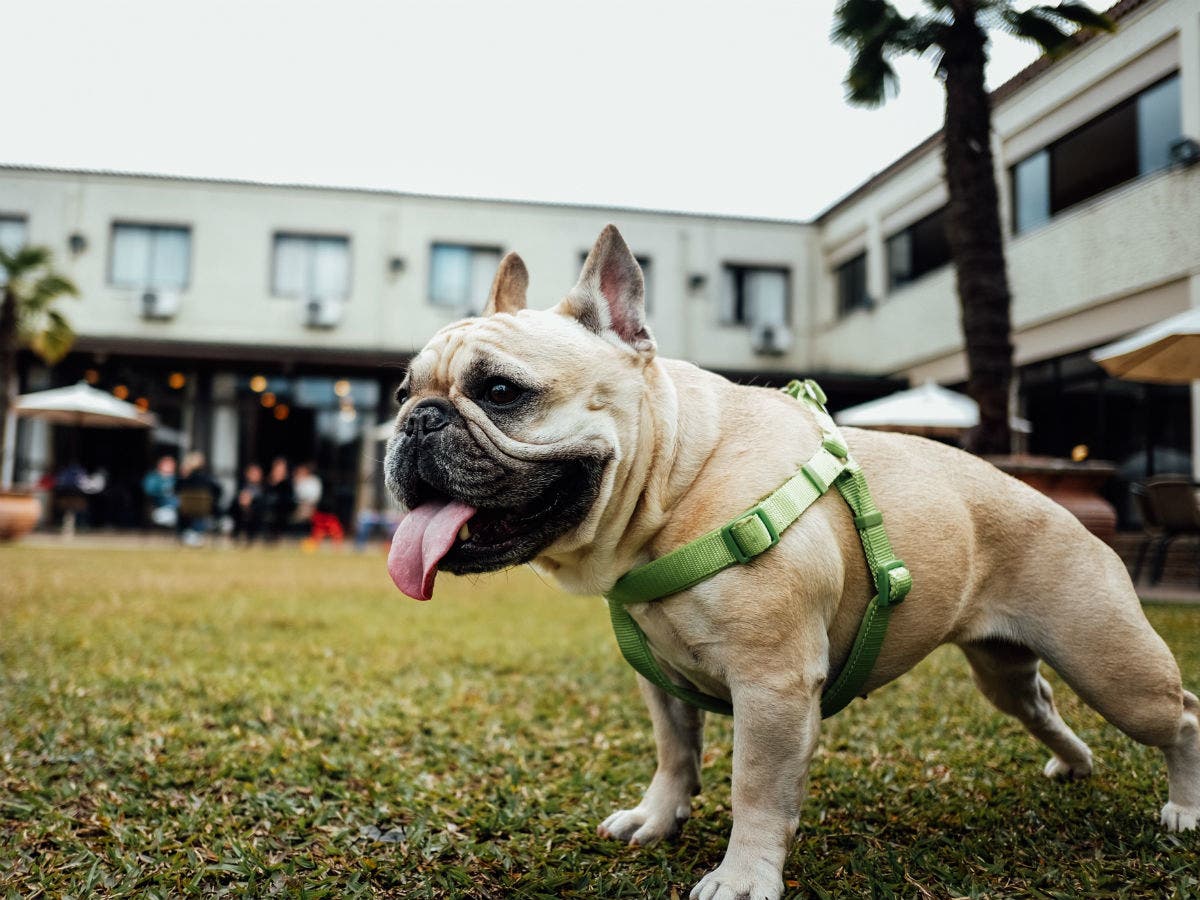
Photo credit: Nicolas Tessari via Unsplash
Get more local news delivered straight to your inbox. Sign up for free Patch newsletters and alerts.