Politics & Government
North Shore Medical Center Chief: Vaccination Is An Obligation
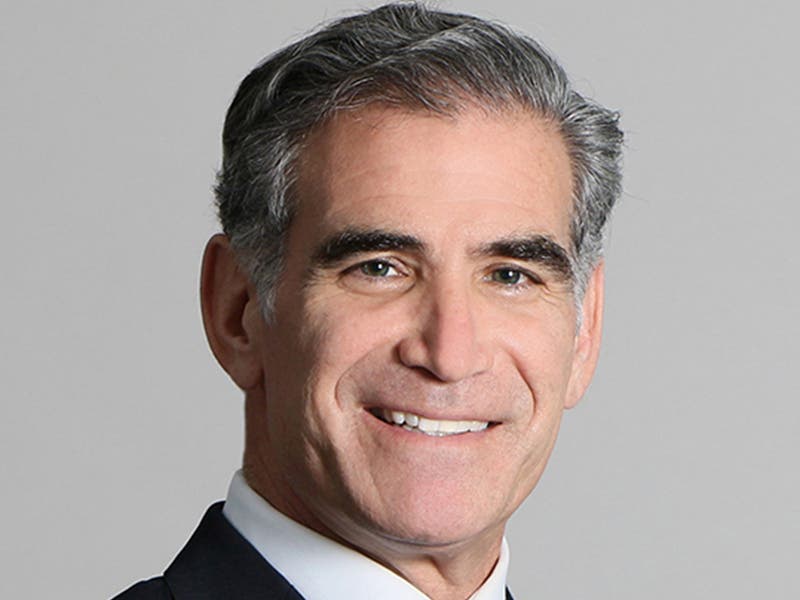
North Shore Medical Center President Dr. David Roberts told a forum life won't get back to "normal" unless there is vaccination acceptance.


SALEM, MA — North Shore Medical Center President Dr. David Roberts said during a Salem Public Schools health and wellness forum Wednesday that coronavirus vaccination rates must reach "70 to 75 percent" of residents before life gets back to "normal."
Roberts said it could take "another two or three years" to safely be around people not in your bubble without face masks, go to the movies and enjoy indoor dining without the vast majority of the population being willing to accept the vaccination.
"If you know vaccine skeptics in your bubble, or in your circle of influence, please talk to them about it," he said. "We are not going to change our lives unless 70 percent — at least 70 percent — of the people in our lives get the vaccine. If we don't get to 70 to 75 percent immunity the virus will be able to spread.
Find out what's happening in Peabodyfor free with the latest updates from Patch.
"We will still wear a mask. We will still not go to movies. We will still not eat indoors. This will go on for another two or three years if we don't get to 70 percent vaccination rates. So when anybody says to you: 'It's my choice.' It is their choice. But it's affecting society in a meaningful way. So I think it's our obligation to think strongly about getting the vaccine when you get a chance.
"We're not going to be able to get back to the way we used to live until everybody says that I'm doing this, not just for myself, but for my community. It's part of being a citizen — I believe."
Find out what's happening in Peabodyfor free with the latest updates from Patch.
He also urged people to get both shots of the vaccine if you are scheduled for a two-shot regimen.
"We have some people calling up saying: 'I'd like to cancel my second one because the TV said it's OK,'" he said. "That's a really stupid thing to do because you get maybe 40 to 60 percent immunity after one dose — which is about what we get with the flu (vaccine) — and you get 95 percent on the second. So the difference between a 50 percent chance of getting COVID and a 95 percent chance of not getting COVID is pretty huge in my view."
The forum included district school officials and regional medical personnel, and focused on the ability to continue in-classroom learning amid elevated coronavirus rates and the vaccine rollout.
Salem Superintendent of Schools Stephen Zrike said the district is part of a push to have teachers in more urban, or higher-risk, districts be among the first to have faculty vaccinated when they are eligible in phase 2 of the rollout slated for between February and April.
(Peabody Health Director Preaches Patience While Awaiting Vaccine)
Dr. Kristin Pangallo, Salem State professor and Salem School Committee member, said she believes school virus protocols can remain effective in keeping students in school as long as the overall case numbers are relatively in check.
"It's really critical that we understand that there is a tension there in terms of what is possible scientifically and also logistically how that's going to work," she said. "The thing is that as community case counts rise, the logistical problems increase. So it becomes more and more challenge.
"So we really need to work together as a community to keep our cases lower."
She added that things that might have been considered "safe" in the summer and fall — including play dates for children and going to friends' houses — are "very problematic right now — and likely to become even more problematic."
Salem Public Schools conducted testing for all students, staff and families of students willing to be tested during a remote week of school after winter break with a positive test rate of 1.7 percent. Faculty and high school student testing during the week of Jan. 11 was 0.88 percent, though Zrike allowed there have been additional positive tests this week.
The statewide test positive rate as of Wednesday was 5.86 percent — down from a high of 8.7 percent on Jan. 2.
(How To Volunteer To Help North Shore Vaccine Distribution)
Roberts said about 97 percent of North Shore Medical Center beds are filled, including 85 percent of intensive care capacity, as of this week. He added that while total hospitalizations are not as high as they were in the spring, the hospital is able to transfer 10 to 15 people to Boston facilities to help alleviate the capacity crunch.
He said the average age of the patients in the spring was 10 or 15 percent older than it is now.
"We haven't yet peaked," he said. "People ask if we've hit the peak of the Christmas/New Year's thing. It's generally 14 to 18 days. We're 20 days out from New Year's now. But we're still going up a little bit.
"It's really hard for me to be optimistic about anything given the positive rates in the communities. ... When we run a hospital that is 98 percent full, and positive rates are still climbing, it gets me worried about capacity down the road."
Did you find this article useful? Invite a friend to subscribe to Patch.
(Scott Souza is a Patch field editor covering Beverly, Danvers, Marblehead, Peabody, Salem and Swampscott. He can be reached at Scott.Souza@Patch.com. Twitter: @Scott_Souza.)
Get more local news delivered straight to your inbox. Sign up for free Patch newsletters and alerts.