Crime & Safety
Anonymous Tip System Helps Police Solve Drug Cases
Program rolled out in aftermath of Ronan murder changes focus.

In the days following the August of in his home, Reading police received dozens of anonymous text messages from members of the public who offered information about the murder.
The event represented a rushed, unexpected test of the “” system, which Reading police had already signed up for, but hadn’t announced until two days after the murder.
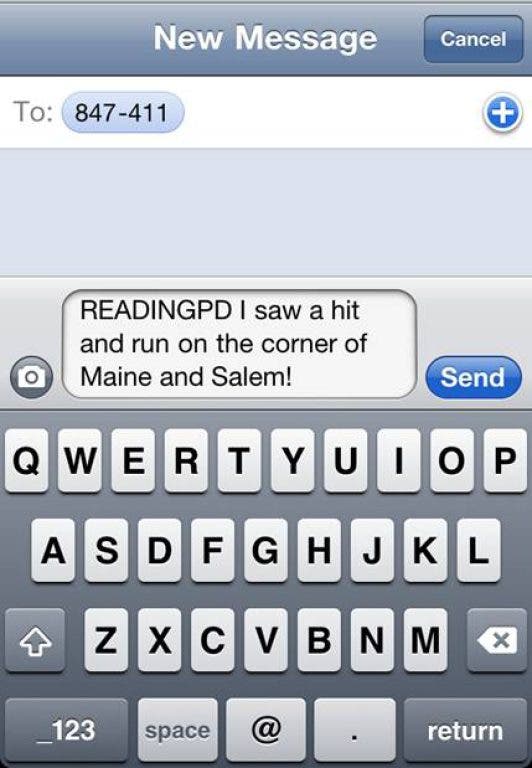
The program allows anyone with a cellular phone to send anonymous text messages to police via a third-party service.
Find out what's happening in Readingfor free with the latest updates from Patch.
Sgt. Det. Mark Segalla, the town’s top investigator, said that the tips that arrived in those first days while police scoured every lead didn’t bring any new information, but “a lot of them verified information that we had already received.”
Since the murder, the program’s focus has shifted, Segalla said. About 90 percent of the texts the department has received since the original rush have pertained to suspicions of drug activity, which he said was its original intent.
Find out what's happening in Readingfor free with the latest updates from Patch.
Erica McNamara, director of the Reading Coalition Against Substance Abuse originally brought the system to Segalla’s attention, he said, and also as a another tool to address and deter drug use.
As a result of the texts, Segalla said, police have charged several people with some kind of legal action, but many of the texts haven’t been as useful.
For those using the system going forward, Segalla said, he advised them to focus on giving police as much information as possible.
A message saying that you believe someone is dealing drugs at a neighboring house, Segalla said, isn’t as useful as one that tells police that cars tend to arrive and linger between certain hours on certain days. In a case like that, he said, it may also be helpful for the caller to gather and include a couple of license plate numbers. In other cases, details such as where the tipster believes the suspect keeps the drugs or where they might be dealing them could be the difference between useful information and something police can’t verify.
He cautioned, however, that he wants people to be careful.
“We don’t want anyone to get hurt or anything else,” Segalla said.
Get more local news delivered straight to your inbox. Sign up for free Patch newsletters and alerts.