Community Corner
Four Massachusetts Towns Begin Dumping Snow into Waterways
Luckily Swampscott hasn't had to resort to this solution for the six feet of snow recent snowstorms have piled on the state.


Correction: This story previously reported that Salem was among the towns putting snow into waterways. Salem officials contacted Patch, saying that while the city may resort to dumping snow into water in the future it currently has enough space in land-based snow farms.
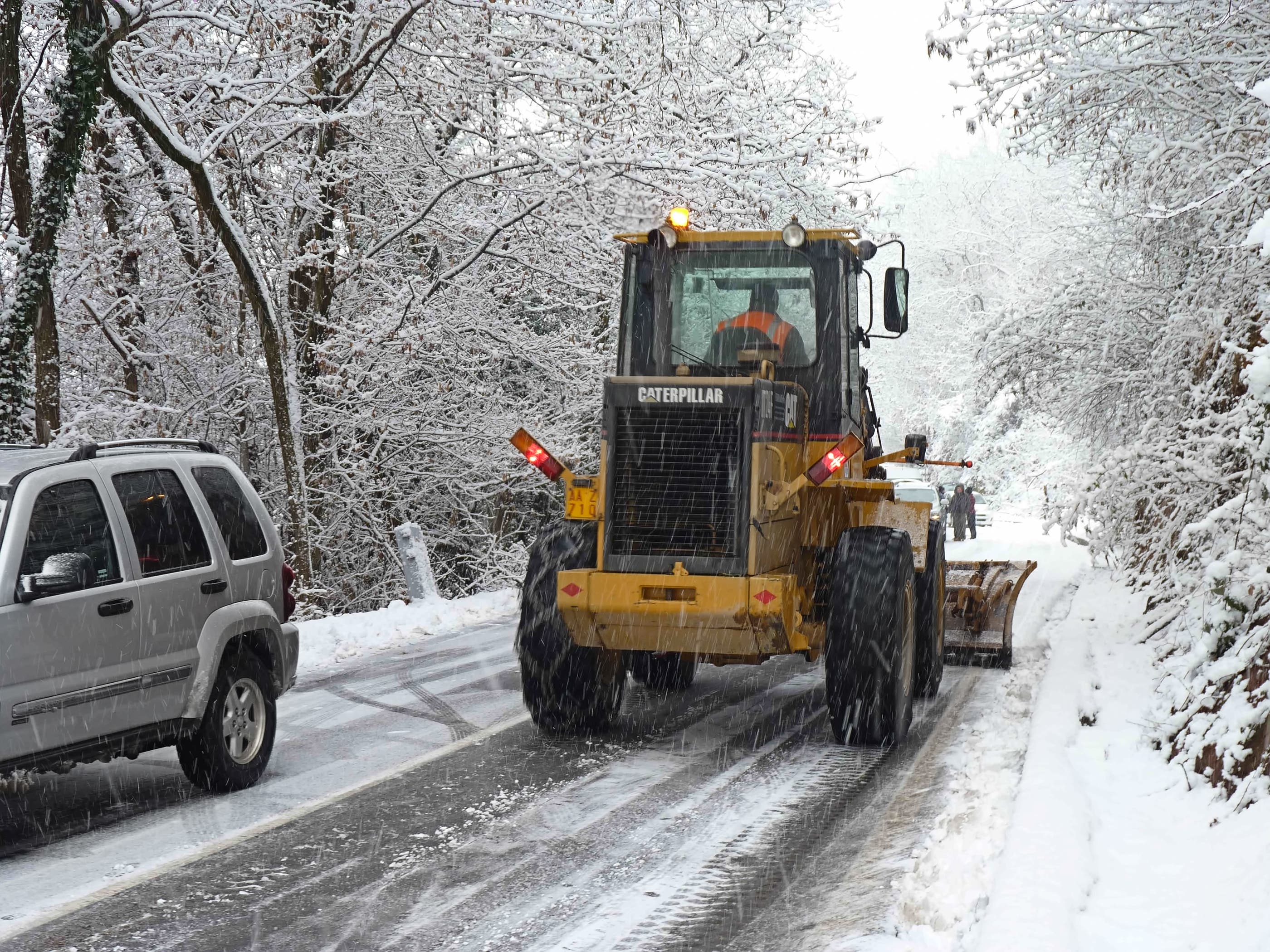
Snow in Massachusetts hasn’t had a chance to melt as three major storms have hit the state in the past two weeks, leaving feet of snow on the ground.
All that unmelted snow has caused a problem for many Massachusetts town officials, who just don’t have a place to put it anymore. Roads need to be cleared and sidewalks and parking lots need to be shoveled, but the side of the road is already piled high with snow.
Find out what's happening in Salemfor free with the latest updates from Patch.
Some cities and towns have resorted to pushing all of their snow into vacant or rarely used land, calling the areas “snow farms.” Swampscott dumps all of it’s snow in a snow farm in Philips Park and Lynn pushes theirs to an impound lot. Boston has opened five snow farms to deal with their excess snow.
But snow farms aren’t a viable solution for all Massachusetts towns, leaving some struggling to keep roadways clear.
Find out what's happening in Salemfor free with the latest updates from Patch.
The solution seems simple. Why not dump all of that unmelted snow into the waterways that surround Massachusetts? It’s just putting water into water.
Unfortunately, it’s a little more complicated. Snow that sits on roadways isn’t just frozen water. It’s a mixture of chemicals from motor oil and asphalt, road salt and dog poop among other things that could pollute both fresh and ocean water.
The Massachusetts Department of Environmental Protection asked towns and cities in the state to avoid dumping snow into waterways in 2001 because of the environmental impact it could have. But the current state of emergency, with some Massachusetts towns seeing snowbanks more than eight feet tall, has sent some Massachusetts towns begging for a waiver that will allow them to push snow into the ocean, rivers and other bodies of water.
Four towns have been granted waivers so far, some already starting dump truckloads of snow into surrounding water.
Newburyport joined Marblehead, Lawrence and Lowell Tuesday morning as the fourth town granted with a waiver, according to the Newburyport News. Newburyport’s mayor, Donna Holaday, told the Newburyport News that the Department of Environmental Protection granted her request only a couple hours after she sent it.
“There’s just no place to put the snow,” Energy and Environmental Affairs Secretary Matthew Beaton told Item Live. “So we are offering this as a solution.”
- Also read: Marblehead Seems to Be Hitting the Snowfall Jackpot
- Salem Declares Snow Emergency
- MBTA to Resume Rail Service Wednesday
But towns granted permission to push snow into waterways can’t just do it willy nilly, the Department of Environmental Protection requires officials to comply with a set of guidelines set to minimize environmental impact.
Guidelines require towns to make sure any waterway they plan to dump snow in has a strong enough current that the snow doesn’t immediately turn into ice dams.
They are also restricted from driving trucks carrying snow where the weight could cause shoreline damage or erosion and from putting snow into “saltmarshes, vegetated wetlands, certified vernal pools, shellfish beds, mudflats, drinking water reservoirs and their tributaries, Zone IIs or IWPAs of public water supply wells, Outstanding Resource Waters, or Areas of Critical Environmental Concern.”
Putting snow into waterways will undoubtedly pollute the water as even natural runoff from melted snow carries some chemicals and salt.
With mounting piles of snow, however, town officials have said that pollution is not their top priority, according to NECN. Snowbanks that tower over people are a public safety issue and are the biggest concern right now.
Image via Shutterstock
Get more local news delivered straight to your inbox. Sign up for free Patch newsletters and alerts.