Crime & Safety
Police Investigation of Real Estate Essay Contest
Public Opinion Sways Toward Suspicion as Contest Sponsors and Winner Remain Silent
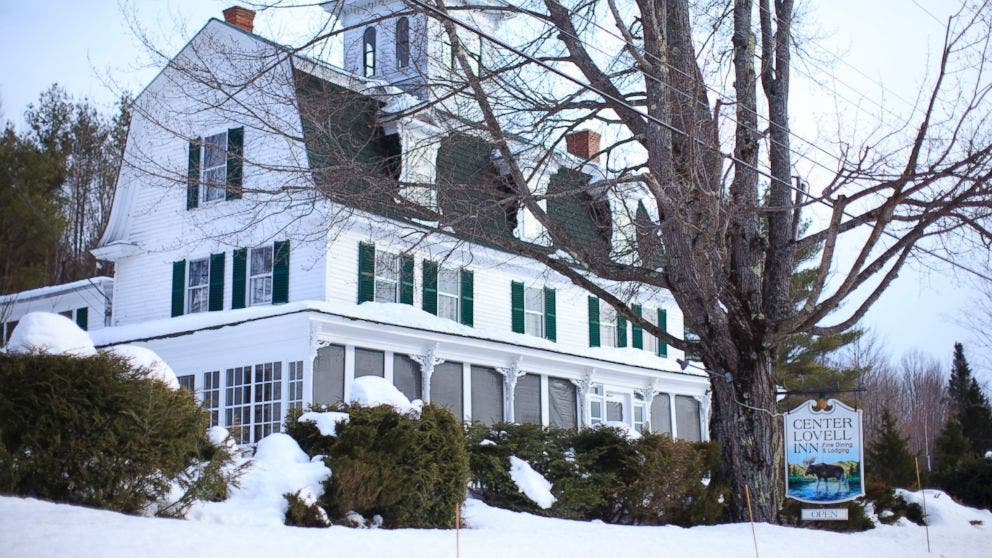
Contest sponsor Janice Sage and winner Prince Roger Adams have yet to address the public or answer any of the questions surrounding the Maine State Police investigation of the Center Lovell Inn Essay Contest.
Contestants want to know:
- The identities and qualifications of the contest judges
- The number of entries received and an explanation for the fees and entries that were never accounted for
- An explanation as to why the web presence of the contest - including information about the winner and top 20 finalists - was wiped off the internet so quickly after the winner was announced?
- Whether this contest approved or overseen by any authority as previously stated, and if not...
- How this unregulated contest was ever able to take place with the whole world watching
The omission of such information violates consumer rights laws and Federal Trade Commission regulations.
Find out what's happening in Salemfor free with the latest updates from Patch.
For those who haven’t heard...
A winner was named recently in the internationally publicized Center Lovell Inn Essay Contest, which promised to award the lucky writer of a perfect, 200-word essay with a sprawling, three-story inn and restaurant in picturesque Center Lovell, Maine.
The inn-keeper and owner, Janice Sage, who made the decision to give away her business and property for $125 and an essay, had appealed to thousands of people world-wide to take a chance on their dreams. The contest was advertised in newspapers, on morning and night-time news programs, and through social media sites as a contest for those who might never otherwise be able to afford a business like this. This marketing approach brought in close to a million dollars for Sage, and even resulted in a gang of hundreds of groupies who named themselves “The Dreamers!”
Find out what's happening in Salemfor free with the latest updates from Patch.
The winner was called on June 6th, but Janice Sage kept the thousands of losing contestants waiting a week before the name of the winner and his winning essay were finally published on June 12th.
That’s where the all the excitement and “Dreamer” energy took a tumble.
As it turns out, the winner of the contest is Prince Adams. Prince already owns an inn and restaurant business, on a resort island in the Caribbean. His winning 200 words described a successful business and some TripAdvisor awards, while 1,500,000 words describing the struggles, accomplishments, hopes, and promises of thousands of losing contestants went unheard.
This news was a blaring alarm for some Dreamers, who decided to wake up, join forces, and take a deeper look into The Center Lovell Inn Essay Contest.
It only took a week of digging before it was discovered that Prince Adams, a.k.a Roger Adams, is also a published author of the eBook ‘Crowd Funding Made Simple.’
What is crowd funding?
Crowd funding is the practice of funding a project or venture by raising many small amounts of money from a large number of people. Sounds an awful lot like paying $125 for a shot at winning an inn and restaurant on 12 beautiful acres, doesn’t it? In addition to writing a book, Prince Roger has his own website which features the choice to create your own crowd funding campaign, or contribute to one of his... or one fronted by his wife, Rose, going by a different last name (Smith) and asking for money to fund a vintage sunglasses start-up.
Prince “Roger” Adams’ book, self-published in 2012, outlines the steps required to earn “easy” money by
“getting people emotionally involved” and “convinc[ing] people to contribute to your campaign NOW.”
About as emotionally involved as an angry coalition of cheated contestants, Mr. Adams?
Those aggrieved contestants took their concerns to the Maine State Police, where an investigation is currently under way. This assembly of contestants, known as the Center Lovell Contest Fair Practices Commission, is comprised of nearly 200 members who have filed reports with the Federal Trade Commission and the Federal Bureau of Investigation. The Commission’s founder provided this statement on behalf of the group:
“Our goal will have been reached when the contest has been investigated by federal agencies which have the ability and jurisdiction to do so. We will feel satisfied with any judgment made by those authorities which have fully investigated the contest. We’re hoping to gain answers to our questions and an awareness of the need for all contests to be regulated and overseen by impartial and qualified authorities.”
Home-owners with plans to unload property with similar contests are now hiring attorneys and thinking twice before moving forward. The outcome of a federal investigation, should one be initiated, could lead to the extinction of this particular brand of real estate crowd funding.
If you entered the Center Lovell Inn Essay Contest, you can also file an FTC complaint and FBI Report.
To contact the Center Lovell Contest Fair Practices Commission on Facebook, click here.