Crime & Safety
Salem Police Outline Fight Against Overdose Deaths
Police Chief Mary Butler says her department is trying to de-stigmatize addiction and get drug user into treatment programs.


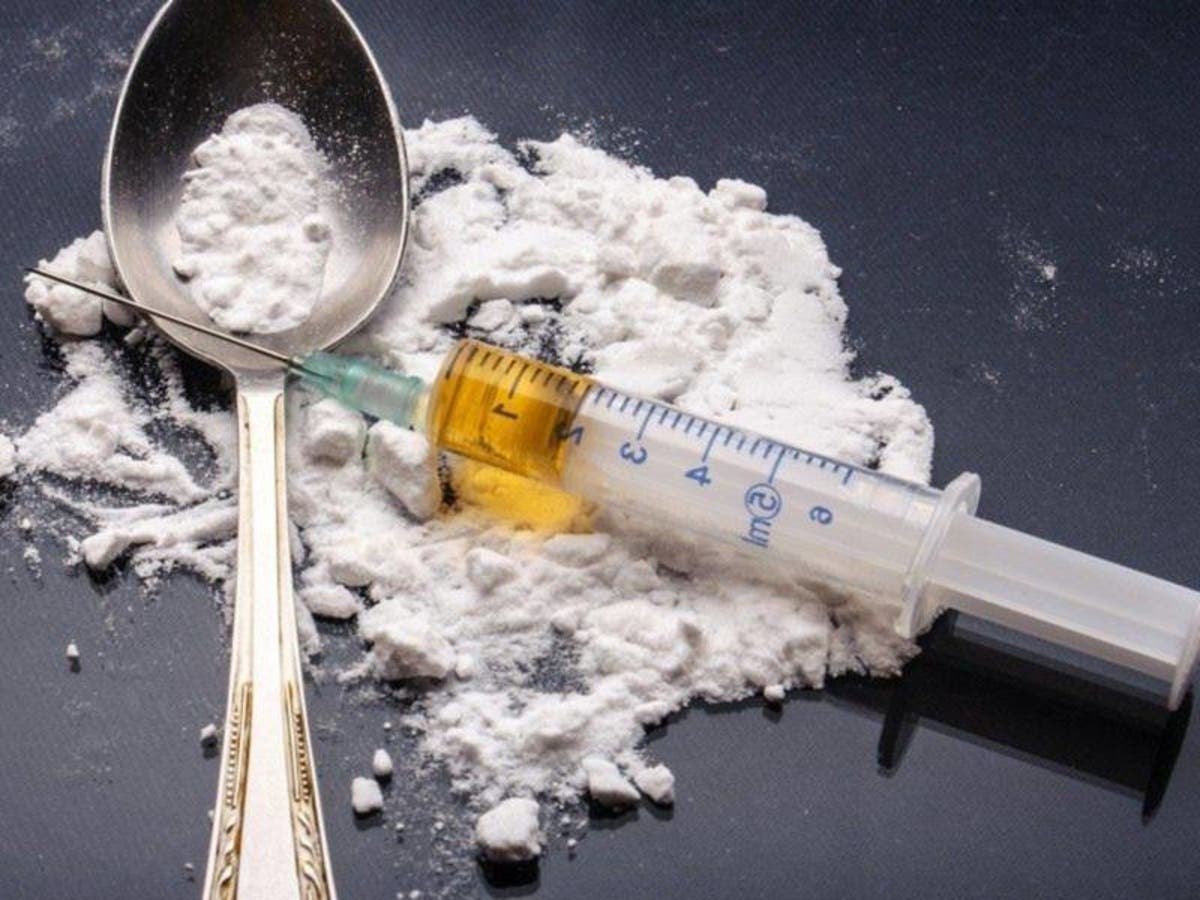
SALEM, MA -- Earlier this week a woman overdosed in her Salem home. By the time her young child found her, she had become the 37th person to die from an opiate overdose in Salem in the past two years. The child’s father told Salem Police it was not the first time the woman had overdosed.
Also this week the Massachusetts Department of Public Health released data showing that statewide, overdose fatalities had dropped 8.3% between 2016 and 2017. But not so in Salem, according to Police Chief Mary Butler.
"The problem is we didn’t see that in Salem," Butler said. "Now we need to ask why."
Find out what's happening in Salemfor free with the latest updates from Patch.
In 2016 they were 184 reported opiate overdoses and 15 fatal overdoses in Salem, Butler said. Last year the number rose to 215 overdoses and 21 opiate-related deaths. Of the 34 communities in Essex County, Salem had the third-most overdoses.
For the past eight months, Salem Police have been meticulously tracking data related to overdoses so they can better address the opiate epidemic that has hit scores of Massachusetts communities. Through that effort, they now know that many of the victims -- including the woman who died this week -- have never had contact with police before they succumb to an overdose. They also know that the more contact a person has with police and outreach workers, the less likely they are to die of an overdose.
Find out what's happening in Salemfor free with the latest updates from Patch.
"We have people in this community who have overdosed 15 times or more," Butler said. "We need to de-stigmatize this. We have to focus on people who have overdosed for the first, second, and third time."
That is easier said than done. The data also show that most opiate fatalities occur in people’s homes. Drug users are often reluctant to approach police to see help, which is why Butler’s department is partnering with local outreach groups.
Salem Police Detective Lieutenant Dennis King said police officers in the department are deeply affected when they have day-to-day contact with the epidemic. "It really does create a traumatic experience for the officers who are out there every day," King said.
Still, Salem Police officers have undertaken a door knocking program to follow up with people who have overdosed. Partnering with outreach workers, the officers are trying to direct people who have overdosed into treatment programs, King said.
Often times those initial visits result in doors being slammed in faces. But King outlined one scenario where six months of persistent follow-up visits with an overdose survivor ended up with that person in a treatment program.
"Then there’s the other side," King said. "The side where we met with someone 35 times over two years and then last month they died of an overdose in Beverly."
In the past two years, King said, the door knocking program has resulted in 27 people getting into some sort of addiction treatment. The data has been crucial and helping sell them please develop a response to the opioid epidemic, Butler said, and the individual contact with users has been the most effective tool for the department.
"We’re trying to be more thoughtful about what the data is telling us. I think before we were out there making assumptions," Butler said. "We needed to drive down into the data and figure out what was really going on."
Butler and King were speaking as part of a panel put together Friday morning by the Salem Chamber of Commerce with the goal of raising awareness about the opioid epidemic and the city's response to it. State Rep. Paul Tucker (D-Salem), who was Salem's police chief before Butler, outlined some of the efforts in the state legislature to address the epidemic. They include:
- New state rules that put a seven-day limit on first-time opiate prescriptions.
- Tougher penalties for fentanyl traffickers. Butler said the majority of recent overdoses in Salem have been from fentanyl.
- Ongoing efforts to implement a "treatment-on-demand" program in Massachusetts for people suffering from opiate addiction.
"When I started on the police force in 1983 an overdose was very rare," Tucker said. "Now it is anything but rare."
Subscribe to Salem Patch for more local news and real-time alerts.
Patch file photo.
Dave Copeland can be reached at dave.copeland@patch.com or by calling 617-433-7851. Follow him on Twitter (@CopeWrites) and Facebook (/copewrites).
Get more local news delivered straight to your inbox. Sign up for free Patch newsletters and alerts.