Neighbor News
Saul Weiss: Farmer, Athlete, Scholar, Businessman, Giver
A history of Weiss Farm and a profile of Saul Weiss. Part 2(A ) & 2(B) of 3 parts
Part 2(A) (Saul Weiss)
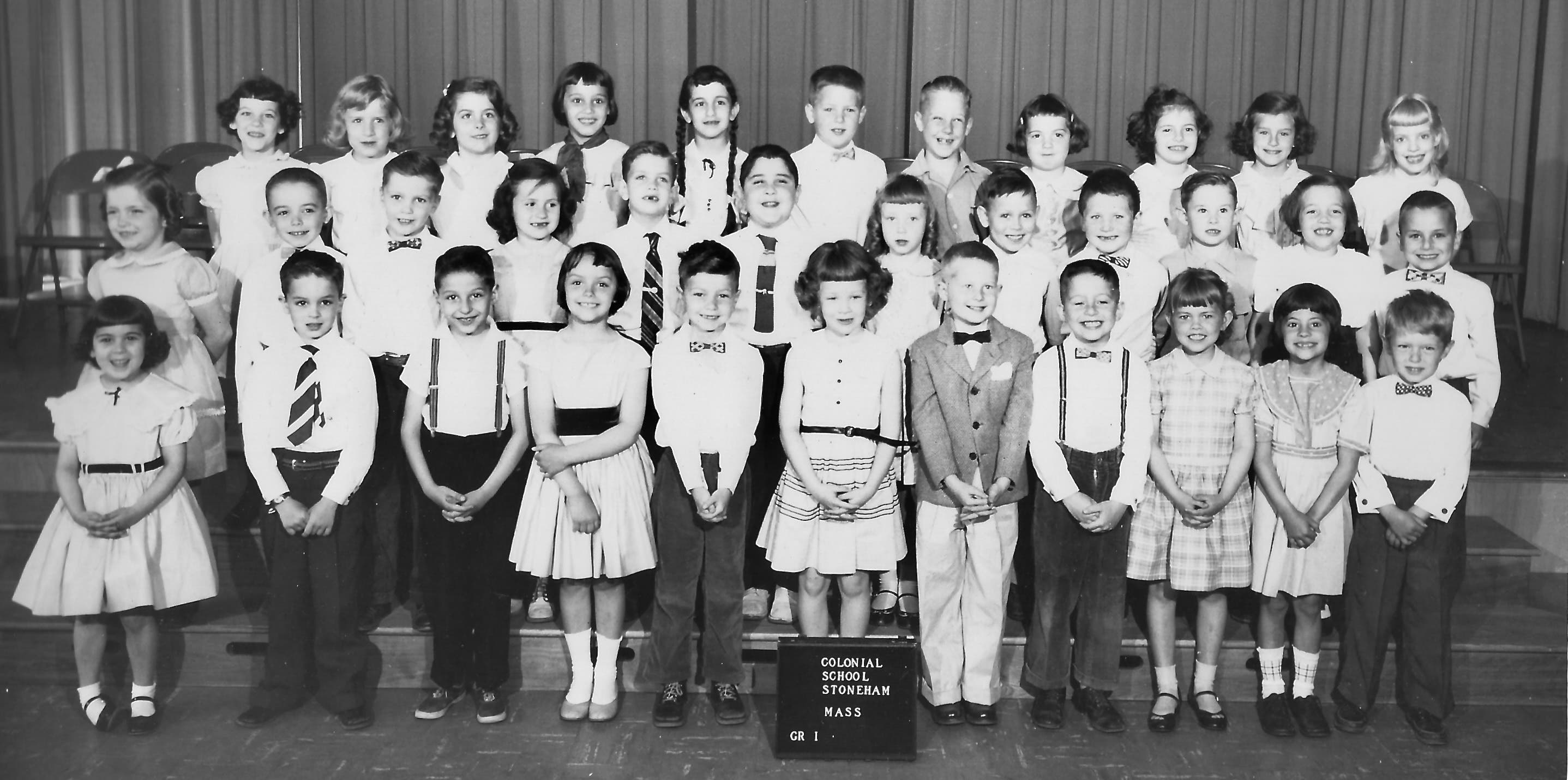
When I began playing at the Colonial Park playground in the late ‘50s, I soon became aware of Saul. He was always in charge, organizing what games we played (mostly baseball), setting up the rules we used (often we did not have enough kids to field two full teams and used some creativity to keep the game competitive), and generally keeping us focused (“Hey! Pay attention here) on the game. To satisfy our curiosity about the farm, a few of us began to venture up there and soon became involved in using the farmland as our second playground. Often wandering around the back lot, we treated the farm as a place to explore. We were welcomed on every visit. Sometimes Saul put us to work; his dad was a constant presence as was Marvin. A friend’s older brother worked there regularly so we grew familiar with the work.
Saul’s name appears numerous times in the Stoneham Independent in those years for Cub Scout activities, various Bar Mitzvahs, Colonial Park student programs, and summer playground games and contests.
When I was old enough to play in the majors in Little League baseball, I looked up to the one-year-older Saul who played for the White Sox. His name always came up when we talked about the players we feared. He was older, bigger, and more confident than any of us. Although he was a grade ahead in school, he was young enough (September birthday) to remain with my age group in Little League, so I had the great experience of being his teammate on the All-Star team in 1962. He won the MVP of the league that year.
Find out what's happening in Stonehamfor free with the latest updates from Patch.
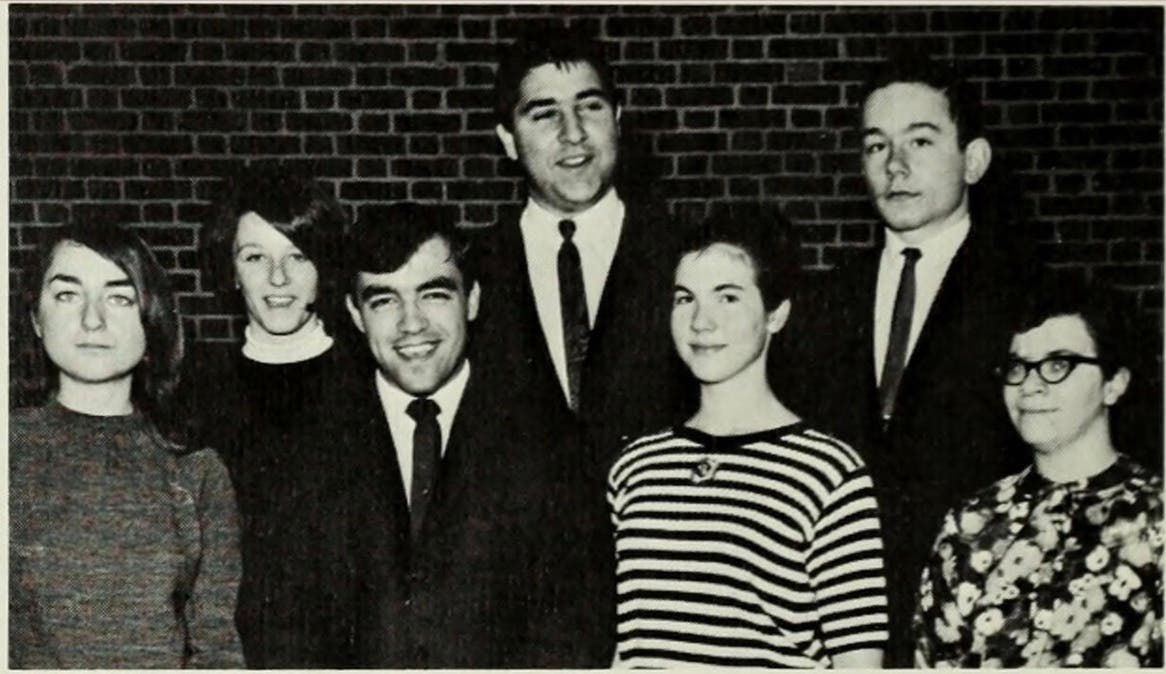
For three consecutive years, the White Sox team held an end-of-the-summer cookout at the Niles residence in Gloucester. Games against various other towns’ teams were held, followed by a gathering of the players and families who finished off copious amounts of grilled burgers and dogs, bags and bags of chips, and sodas by the gallon. The Independent reported the exact quantities of the food consumed so the participants MUST have had a great time. The rest of the league watched each year in envy as they celebrated their season in grand style.
Suffice it to say that the Weiss family’s community activities were frequent and notable. Saul was no stranger to the limelight. Saul even took a summer job writing up the Pony League games for the Independent. I found frequent references to him as a player and to his journalistic by-line in the Independent from elementary school through to his college years.
Find out what's happening in Stonehamfor free with the latest updates from Patch.
After Little League, Saul joined the Pony League where he began to settle in as a catcher who had potential. “Saul Weiss who improves with each game behind the plate threw out two runners early in the game which kept the other team from attempting the rest of the way” (SI, pg. 2, 8/15/63.) I can testify to this personally because I was fortunately paired with him as a pitcher-catcher combo from those days spanning almost a full decade through high school to summer ball in the Inter-City League. I have always given credit to Saul as a major influence in my development and whatever success I had as a baseball player. In American Legion baseball, extending into high school ball, Saul’s confidence and guidance seeped through to me. He had command of the situations we got into and allowed me no room to doubt that I could pull through some tough spots. He spoke with such surety that I began to believe in my abilities so as not to disappoint him. There was just no space for uncertainty.
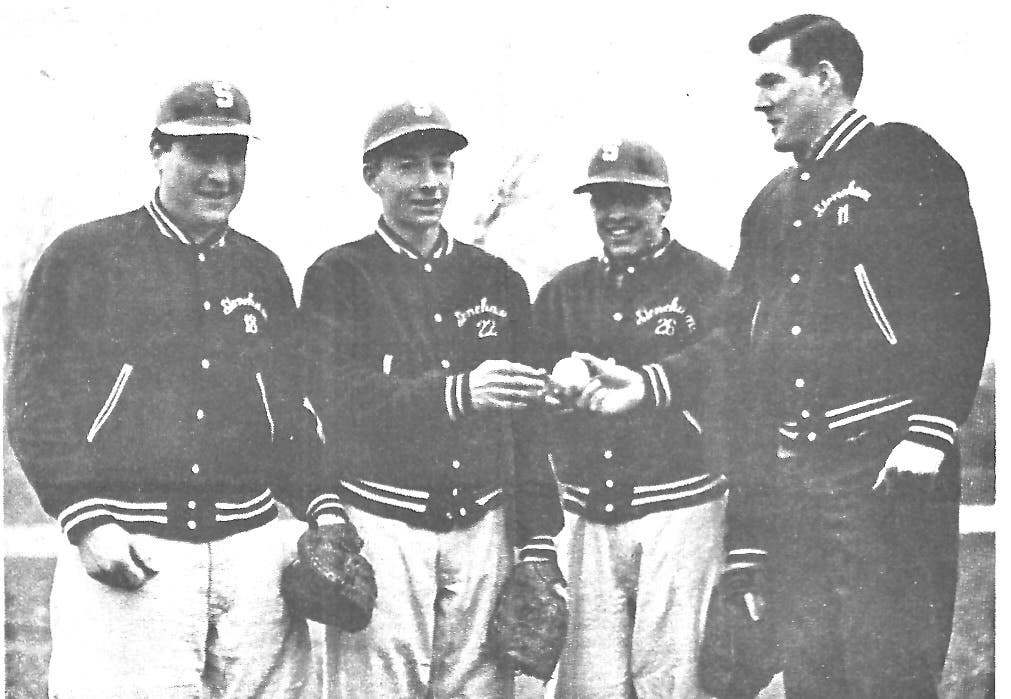
When we had both been away for college (Saul at Boston University and me at Lafayette College), he contacted me about a tryout for a summer team in the Boston area. The tryout, however, came as a live appearance against the College World Series-bound B.U. baseball team, coached by Bob Crocker, who was also a BU assistant hockey coach. I had to pitch two innings live against some really good players, two of whom were All-Americans in other sports—Herb Wakabayashi in hockey, and Bruce Taylor in football. I finally felt like I had arrived in the big time. Saul was the catcher for this tryout which gave me a load of confidence. I remember little about that particular day but Crocker placed me on the Arlex Oilers in the Inter-City League, comprised of college kids and older guys from the Boston area.
As yet, I had no car so Saul drove us to every game we played those two summers. He had an old beater so when he scraped up against a concrete barrier on Commonwealth Avenue while barreling off to a game, he laughed dismissively as sparks flew off the bumper. This seemingly cavalier attitude reflected the way he played baseball. Many times my pitching got me into situations that looked bad. Walks, base hits, and errors all piled up to put us into bases loaded, no outs, down three runs and Saul would call time, stroll out to the mound with that distinctive, rolling swagger, give me a smile I can only describe as jolly yet mischievous, change it to a serious expression, and say something like, “Well, that’s another fine mess you’ve created” or more often something off-color that made me laugh. I knew full well that he was just pushing my buttons to relax me. This was the best lesson I learned from him; no matter the situation I put myself in, I should continue to compete, yet be ready to laugh at the prospect of disaster. He had a knack for disarming the distress I was feeling.
At BU, Saul played baseball for four years and started many games at first base. Saul “The Cat” received an award for Most Spirited Player in baseball for the 1970 season. His contribution to BU’s season is exemplified in this quote that “Weiss ties down the infield with flawless fielding at first, and he is hitting .400 in regular season play. He has caught, also. His grand slam was an impressive shot that disappeared over the right-centerfield fence at Northeastern’s Kent Field.” (SI, pg. 4, 4/22/1971.)
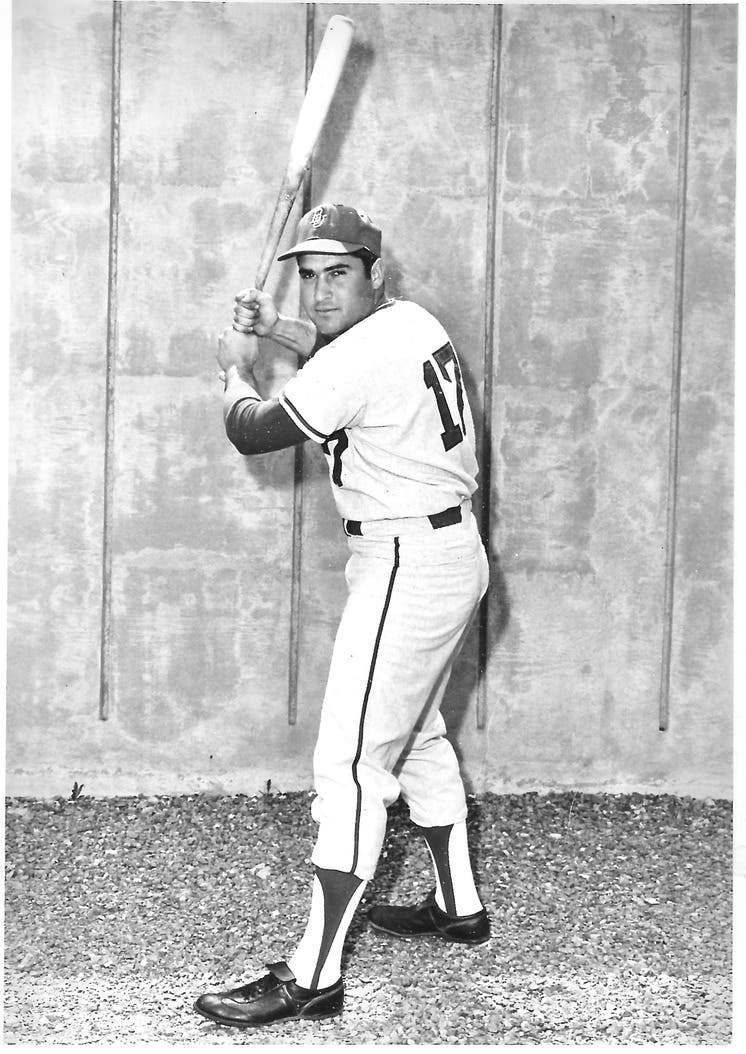
In hockey, he played sparingly on the freshman team and realized he was not going to beat out the varsity goalie. Saul wanted to remain part of the team so he approached Coach Jack Kelley and asked if he could do anything useful for the team. Kelley put him in the position of student manager which morphed into the job of spotter in the press box up high where he compiled statistics and observations/information that the coaching staff used to make in-game adjustments. On Saturday, March 27, 1971, at the end of the year awards dinner, Saul received a special award (the Friends of BU Hockey) acknowledging his crucial contributions to the team.
In an article in the Globe, writer Bob Monahan wrote an article peppered with quotes from both Coach Kelley and Saul: “‘The BU hockey club is a complete team in every facet. Saul is as much of the team as the players and coaches.’” says Coach Kelley. Saul states “‘I’m just thrilled beyond words and you know how much I can talk. This is just great.’” “For most of the past three seasons, Saul has been Kelley’s eyes in the press box. Weiss keeps all kinds of charts which Kelley studies between periods and after games.” (Boston Globe, pg. 24, 3/29/1971.)
Saul kept track of a tangle of esoteric statistics such as face-offs won, offsides occurrences, and defense efficiency in the corners. Kelley cited Saul’s work as “very important and Saul did a perfect job.” In his typical self-effacing manner, Saul deflected the importance of his job, remarking that it felt good to have the coaches pay attention to his thinking and vision. “‘Coach Kelley is the most competitive coach in the business. His feelings rub off on all of us. That’s why we’re national champs. It’s the coach.’”
After college, I lost touch with Saul and moved up to North Conway, New Hampshire for a summer. I returned to Stoneham in the fall at loose ends and found a job as a substitute teacher at SHS of all places. After the public school year ended, I moved permanently to New Hampshire. Although I never saw Saul Weiss after that, time and again, the lessons I learned from him have influenced me all these intervening years.
Part 2(B) (Saul Weiss)
Fortunately, I recently made contact again with Dave Commito, who is one of my best friends and a teammate from those school days. This brought me to a memorial gathering for Dave’s dad, Elio where I had the surprising opportunity to meet Donna, Saul’s wife. I asked if I could “interview” her for more insights and information about Saul during the years they were married. She promptly said “Yes.”
Dave enjoyed a similar relationship with Saul as I had throughout the school years. Dave was at the farm as often as the rest of us and played baseball with Saul on the same teams as I had. Unbeknownst to me, Saul and Dave continued their high school friendship from the ‘70s until Saul’s passing in 2000. I was able to “coax” some telling anecdotes from Dave which shed some light on Saul’s activities and further sharpened my perspective on Saul.
Saul delivered milk to the Boston area every morning while he was in high school. His route took him to some particularly disadvantaged areas. Saul told Dave that these deliveries and collections were the hardest tasks he had ever undertaken. Saul’s young age and the desperate straits his customers found themselves in, combined to make this a daunting part of his farm duties. Saul voiced the perspective that every business exchange coming after that was comparatively easy.
From the delivery route, during hockey season, he would go to practice (early, early AM) and then head off to school for the day. Saul and Dave attended a multitude of hockey (Bruins and BU) games and Red Sox games. Saul and Donna ate dinner with Dave and Denise probably three out of every four Saturdays from then on. When Dave was a junior in college, he also went to a handful of BU hockey practices during semester breaks at the old Boston Arena (now Northeastern’s Matthews Arena) as Saul’s guest. For 27 years, Dave had the privilege of attending every Beanpot hockey tournament game with Saul (on many occasions the Spartan stalwarts Sandy Ruggles and John Jamieson went along). During that entire period, Saul never allowed Dave or any guests to pay out of pocket for a single game ticket, any pregame pizza and beer at the Pizzeria Regina in the North End, or even the cost of parking at his preferred garage near the corner of North Washington and Commercial Streets. Saul would laugh out loud (in a non-threatening, you’re my guest, put your money away) manner when anyone reached for his wallet. Dave says he reached for his wallet every year (totaling 54 evenings of hockey as the Beanpot was held on the first and second Mondays in February) without ever paying a single cent for some of the purest moments of simple, uncomplicated friendship anyone could dare hope to experience. Dave Commito holds those memories of Saul Weiss closely.
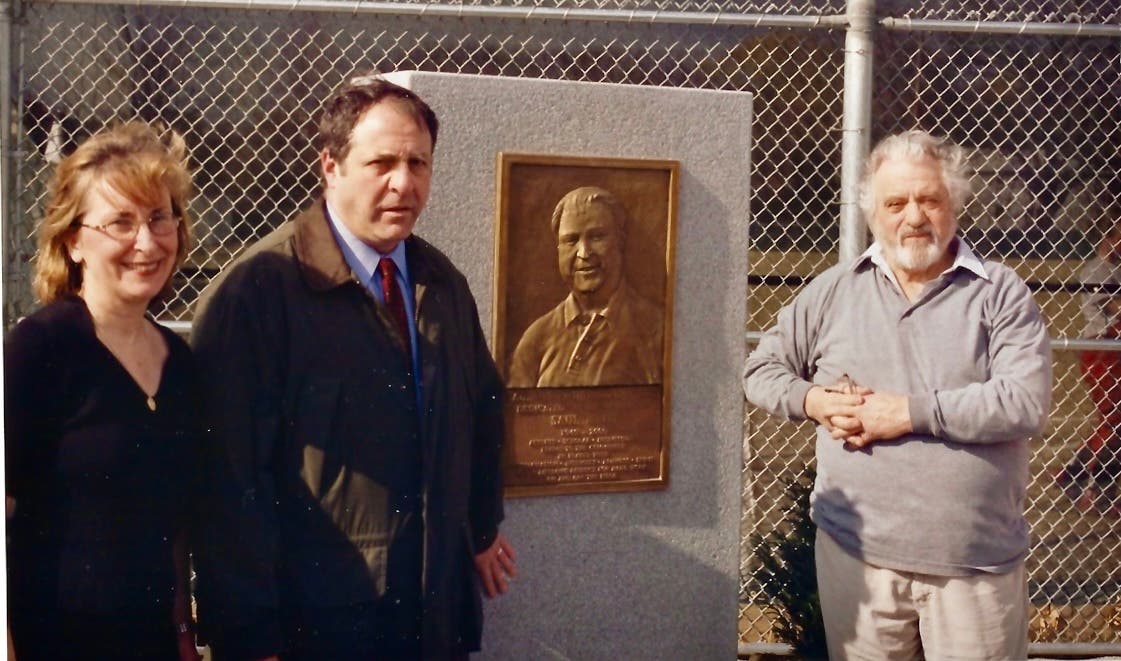
Another story involved Bernard, a local kid from Roxbury (nine or ten years old) who used to go to the Boston Arena after school to watch BU practice. He and Saul (no surprise) became friendly and Saul made it a point to buy him submarine sandwiches and soft drinks for “snacks.” Saul provided for Bernard and a few of his friends to go to the semifinals of the 1971 ECAC playoffs with BU and Cornell at the old Boston Garden in March. This included transportation both ways and food. However, Saul’s prized car (a Pontiac GTO) was stolen from the spot a friend had parked it for him (Saul had gone on the team bus to the Garden.) After filling out the necessary paperwork with the Boston Police, Saul took full responsibility for the boys and borrowed another friend’s car to drive them home to Roxbury that night before he eventually got himself home at about 2:00 AM. That’s the kind of person Saul Weiss was.
Part 3 of 3 next week