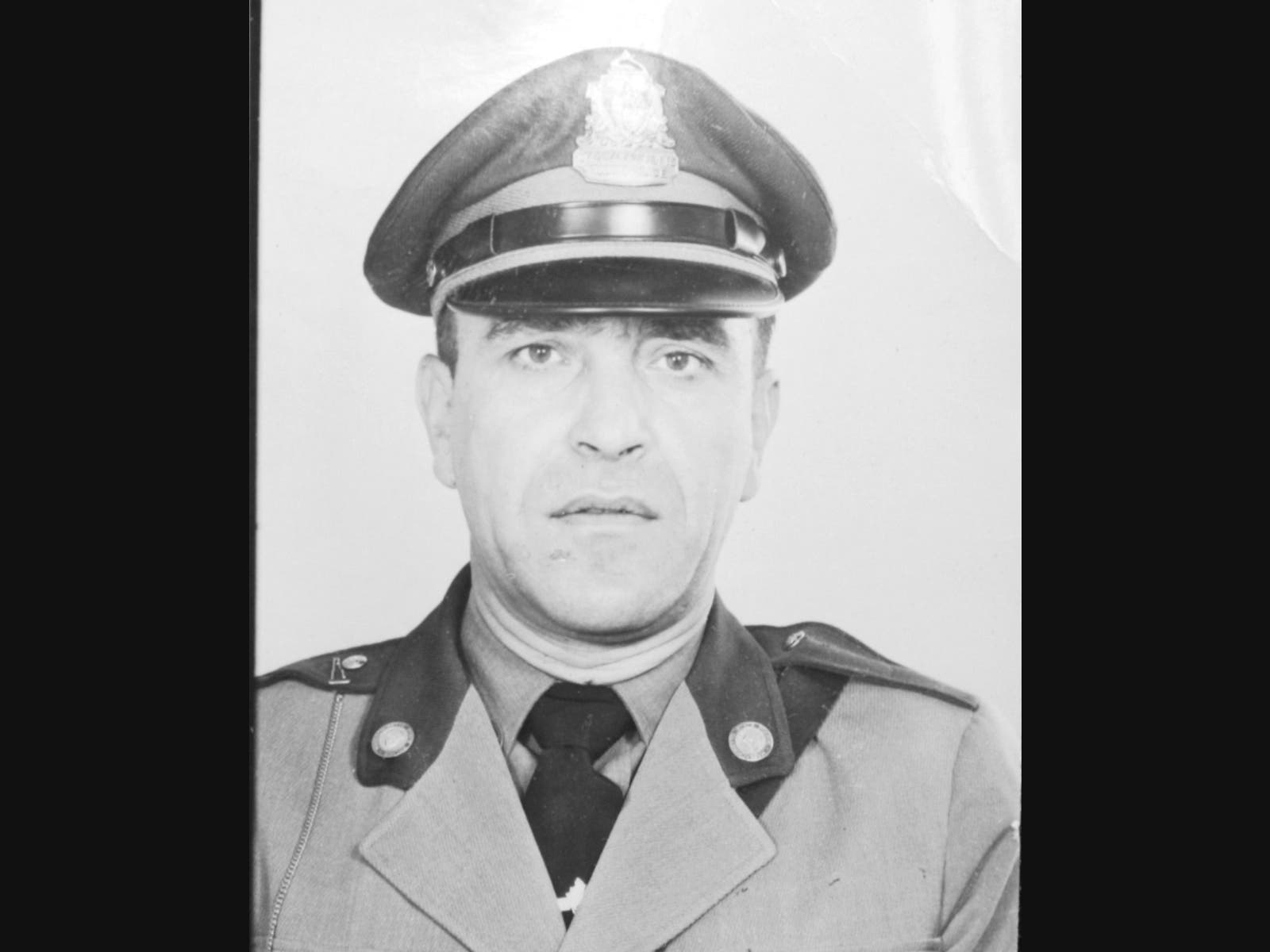
Thomas J. Leccese
Sadly, far too often and far too rapidly, the numbers of the Greatest Generation are diminishing. However, when we mourn each passing, we also bring up treasured memories of their many accomplishments and sacrifices. From living through the whipsaw peaks and valleys of American history beginning in the early 1900s, they were able to experience first hand the impressive potential of American life contrasted with the low times of conflict and desperation. Here in Stoneham, we have had heroes who embodied the spirit and resoluteness of our town. Many of them never publicized their war exploits. One such reluctant hero was Thomas J. Leccese.
Tom was born in Somerville and raised there by his parents, Egilda and Giuseppe Leccese who had immigrated from Italy. When Tom turned 22, he knew he had a commitment to serve his country and did not hesitate to enlist in the Massachusetts National Guard. He entered active U.S. Army duty a week after the attack on Pearl Harbor and was assigned to the elite 504th Parachute Infantry Regiment. Tom went overseas in April, 1943 and quickly participated in jumps into Sicily and Salerno.
Find out what's happening in Stonehamfor free with the latest updates from Patch.
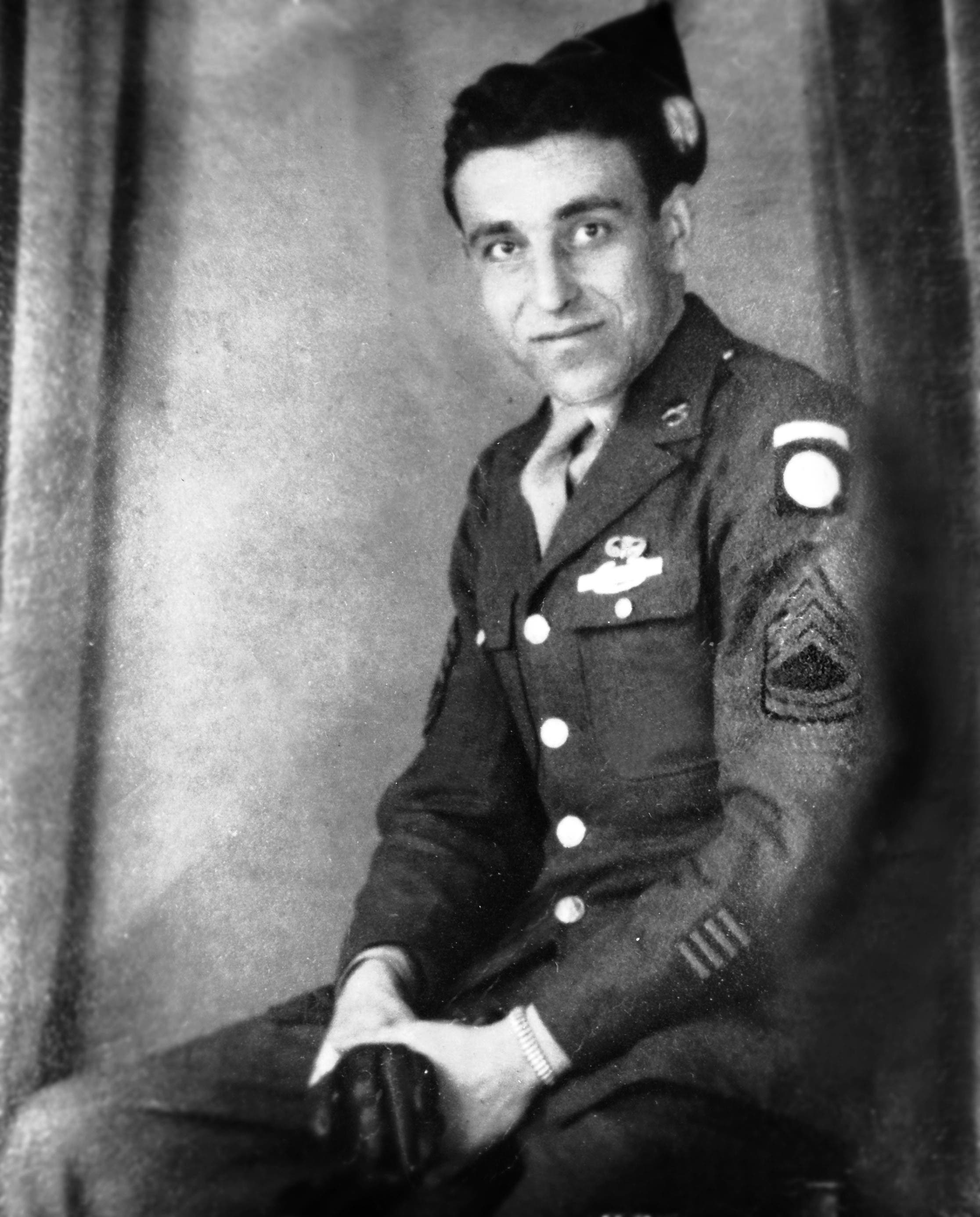
“Operation Husky” was the name for the 38 day multi-pronged maneuvers in Sicily that forced the Germans to move off the island. Weather had initially delayed the paratroopers from landing behind enemy lines but they eventually drove the Germans across the straits from Messina to mainland Italy. Tom sustained a bullet wound on July 20, 1943, for which he received his first Purple Heart. Shortly after this, Benito Mussolini was deposed in the first defeat of the Fascist government.
Next, Tom and the 504th gathered on the airfield in Sicily, awaiting orders which came rapidly; they took off without being told where they were going or what their mission might be. Briefed while in flight, the 504th successfully parachuted into the Salerno beachhead to reinforce the hard-pressed G.I.s, closely followed on the night of September 14 by Jim Gavin’s 505th Parachute Infantry Regiment. Because of the presence of the 504th, the German’s counterattack failed on September 13 making this a decisive factor in the battle for Salerno. From there in October, they drove through into Naples where they secured the city from Nazi occupation. The 504th was the first infantry to arrive in Naples. Tom was shot for the second time during this time in December 1943.
Find out what's happening in Stonehamfor free with the latest updates from Patch.
In early 1944, Anzio was the next jump as part of “Operation Shingle” and the 504th was eventually dubbed "The Devils in Baggy Pants,” a phrase taken from the diary of a German officer. He said "American parachutists...devils in baggy pants...are less than 100 meters from my outpost line. I can't sleep at night; they pop up from nowhere and we never know when or how they will strike next. Seems like the black-hearted devils are everywhere….” They held the position for eight weeks when they were sent back to Naples from where they returned to England in mid-April. “Those Devils in Baggy Pants” a book by Ross S. Carter, published in 1947, tells a personal story of the 504th.
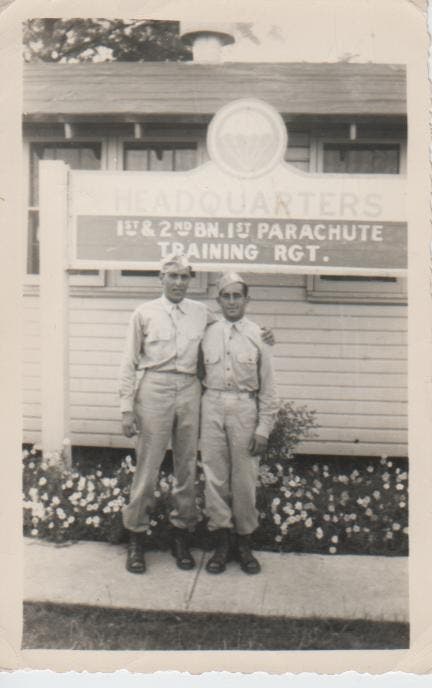
For “Operation Market Garden” the 504th jumped into the Netherlands in September 1944 and almost immediately after arriving behind enemy lines, Tom led his rifle squad to a position about four miles from Nijmegen, Holland. Tom recognized that they had to move quickly to cut off the Germans and he seized the opportunity to engage the enemy all the while under continual fire, preventing the Germans from moving forward for over four hours. They were able to control several bridges which contributed greatly to the success of the operation. From there, the 504th moved into Belgium, marking the first German defeat of the Battle of the Bulge.
Tom was wounded for the third time in late September but this time it needs more explanation. A sniper took aim at General Matt Ridgeway but instead hit Tom who was standing a few feet away. When Tom was treated for the wound, a medic extracted the pieces of a wooden bullet from his left arm. Contrary to the rules of the Geneva Convention, German snipers occasionally used wooden bullets which splintered upon entering the body and necessitated more treatment, a longer recovery period, and sometimes difficult infections. In later years, Tom’s sons remarked about the noticeable indentation in Tom’s arm.
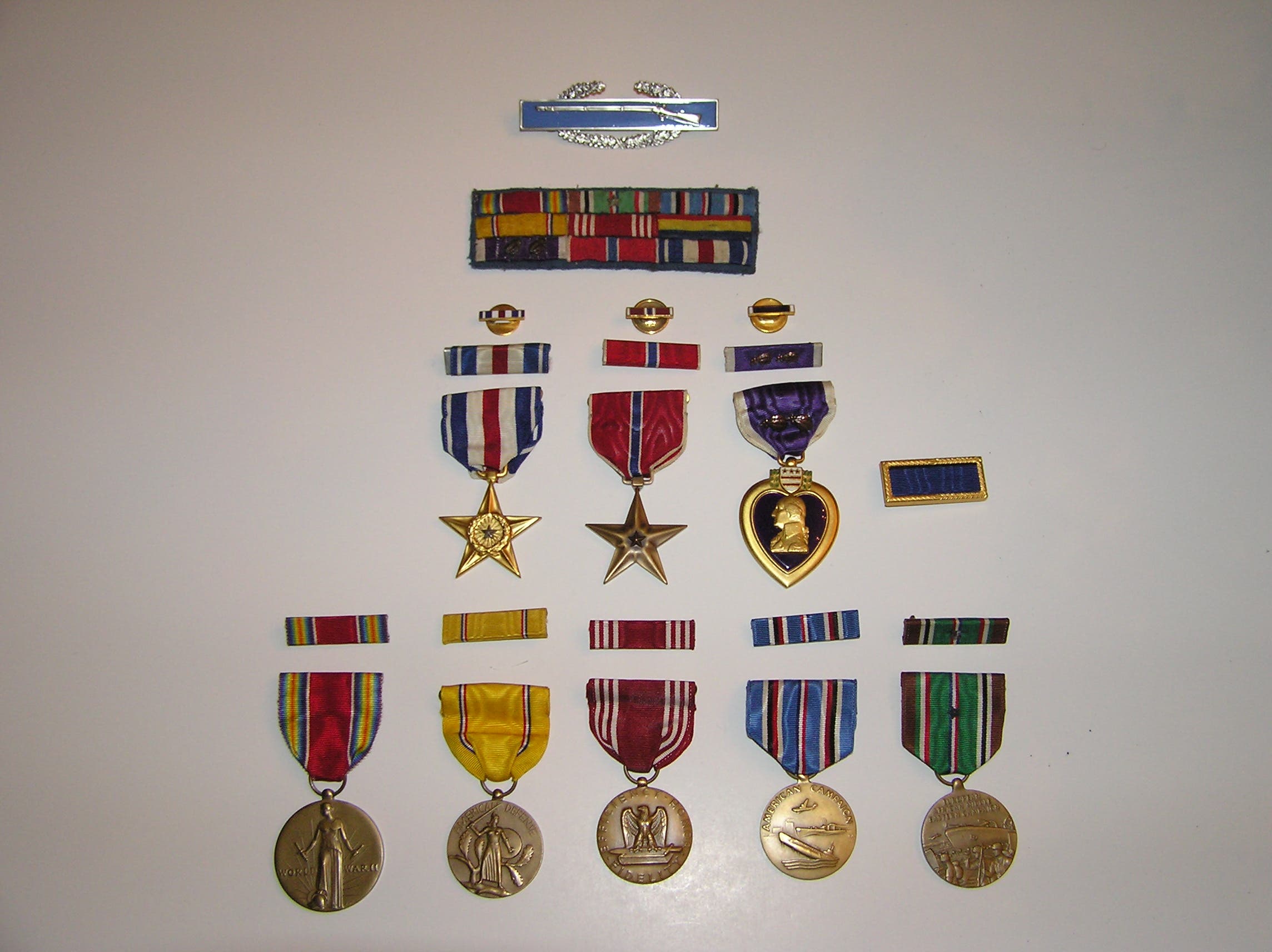
For all of his bravery and quick actions, Tom was awarded the Bronze Star while the Silver Star was awarded specifically for his decisive action in the Netherlands. He also received the Purple Heart and two Oak Leaf clusters. He achieved the ranks of corporal, sergeant, and Tech-Sergeant. After the war, Tom returned to Massachusetts and married Loretta Rita Asci in 1946 and settled in Stoneham. They had three boys, John W., Thomas R., and William P.
In June 1947, Tom graduated as a member of the 31st Recruit Training Troop of the Massachusetts State Police. He served over the next 20 years in several barracks in Eastern Massachusetts, retiring in 1967 as a Staff Sergeant. Two of his sons followed him into law enforcement, John as a detective with the Stoneham Police Department and Thomas as a Massachusetts State Trooper (58th Recruit Training Troop.) The third son, William was principal at the Louise Davy Trahan School, Tewksbury and the E. Ethel Little School, North Reading.
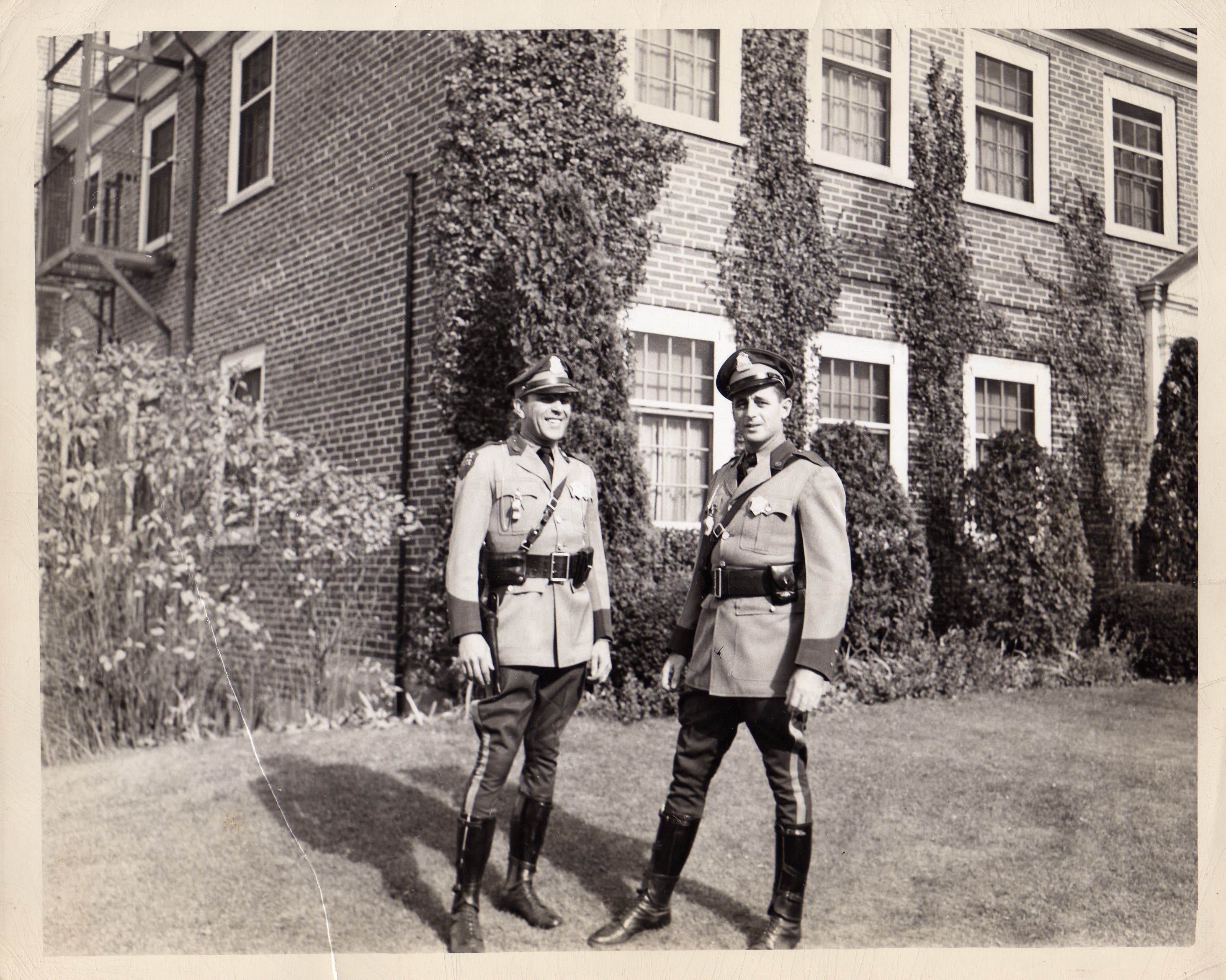
MSP Staff Sergeant (ret.) Thomas Leccese died on March 18, 1980, and is buried in Lindenwood Cemetery in Stoneham, another hero of the Greatest Generation from Stoneham who served his country bravely, but modestly downplayed his role.