Business & Tech
Restaurants Rail Against Proposed Local Option Meals Excise
The measure before voters on tonight would add .75 percent to the state baseline Meals Tax of 6.25 percent that would go directly to Tewksbury's coffers.


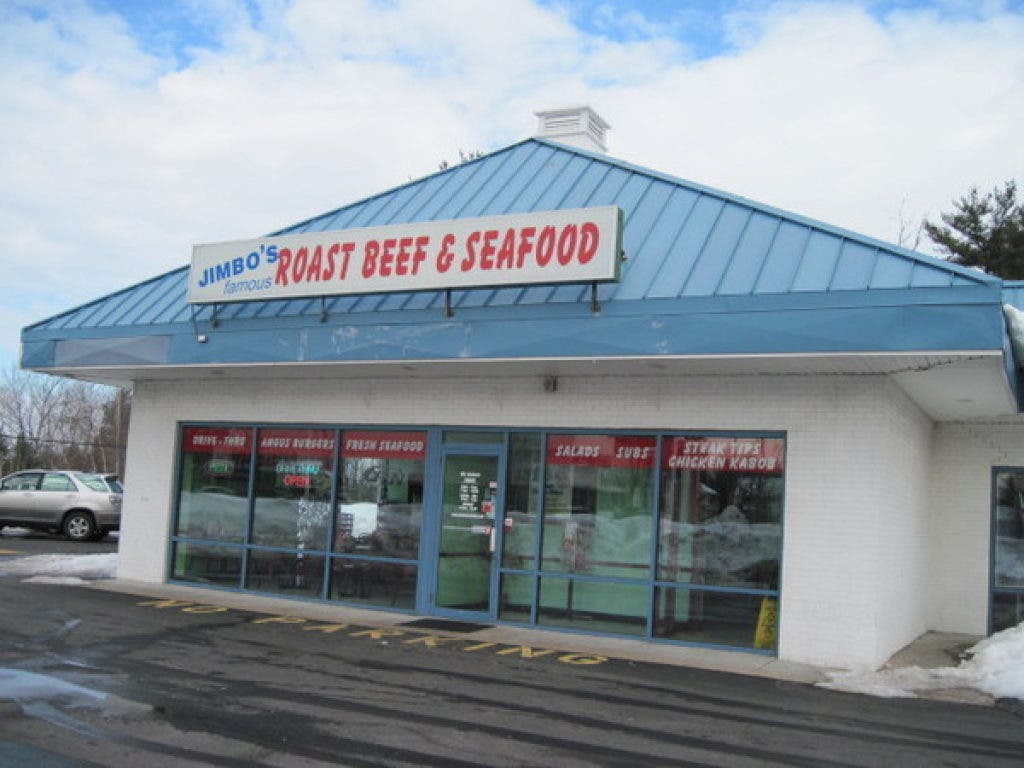


Tewksbury voters head to Town Meeting tonight (May 2) to deliberate a variety of issues, but for local restaurant owners and employees, there’s only one subject occupying their attention.
Since it became law in 2009, 127 of the 349 municipalities in Massachusetts have enacted what is known as the Local Option Meals Excise, an additional .75 percent meals tax that go directly to municipalities on top of the baseline 6.25 percent tax that goes to the Massachusetts Department of Revenue.
If Article 19 passes, Tewksbury will become the 128th municipality in the state to enact such an ordinance, although reactions from those with local restaurants are uniformly hostile to the measure.
Find out what's happening in Tewksburyfor free with the latest updates from Patch.
For many, such as and delivery driver Robin Rutledge, fears abound that the added tax could cripple what they see as already difficult times for the restaurant industry.
Adbul in particular believes it’s part of an anti-business mentality from the town that he says has crippled his business.
Find out what's happening in Tewksburyfor free with the latest updates from Patch.
“I don’t understand why they’re going out of their way to make it tough for me,” he said. “The town has already made it very difficult to advertise with signs in front of my business, and now it’s usually empty in here most of the time. Adding an extra tax on top of everything would only make things worse.”
Rutledge also fears that her livelihood may be in jeopardy if the Local Option Meals Excise is put into place.
“I’ve lived in Tewksbury for a long time, but I’m afraid if we get another tax I may have to move,” said Rutledge. “My customers would just get their food in another town without the tax.”
Among Tewksbury’s neighbors, Andover, Lowell and Chelmsford have already adopted the Local Option Meals Excise, but Wilmington and Billerica have not, leading manager Robert Lee to share Rutledge’s opinion that there will be a mass exodus of diners to those towns.
“If people are getting the same food here that they get in Wilmington or Billerica, they’ll just go there,” said Lee. “You see the same thing all the time with businesses on the New Hampshire border that have to compete with their lack of a sales tax.”
But not all restaurant owners fear the worst, even if the tax is passed.
Phil French, co-owner of on Main Street, thinks the tax would hurt to a point, but he also believes his cuisine is at a level higher you’d find elsewhere nearby, and that has created loyal customers that will continue to come no matter what.
“I believe (the tax) would affect us to some degree, but I still think people would come here because we’ve been here for many years,” said French. “But it’s no different than gas prices going up two cents a day. Other towns around here like Chelmsford and Lowell have done it, and if that’s how (the town) feels that they have to do it, they’re going to keep coming up with more ways to get the same amount of money.”
defended the proposed measure, stating that he understood the potential problems with local businesses while citing his belief that the Local Option Meals Excise was a way to help spread out the tax burden among those throughout Tewksbury.
“I know that it’s going to be a hardship for business, but we’re trying to do the best we can to increase our revenue that is sorely hurting right now,” said Gay. “We’re thinking of as many ways we can to reduce the tax impact on the residential part of town, and I think that was the main reason we went in that direction.”
Town Manager Richard Montuori estimated that if both the meals excise tax and a related hotel room excise tax are adopted by voters, it would mean at least $350,000 in revenue each year for the town.
Nearby in New Hampshire, the Meals and Rooms tax is 9 percent, with legislation proposed to reduce it to 8 percent tabled in late February by state legislators.
Get more local news delivered straight to your inbox. Sign up for free Patch newsletters and alerts.