Business & Tech
'Right to Repair' Bill Pits Local Garages vs. Dealerships
Proposed legislation would open up the possibility for people who normally have their cars repaired at the dealership to seek alternative repair garages.


A bill that will require dealerships to provide independent repair shops with access to codes necessary for specific vehicle repairs is drawing both great support and also a degree of contention from a variety of groups.
The bill is sponsored by state Rep. Garrett Bradley and state Sen. John Hart and has been re-filed for the 2011-2012 legislative session. According to the bill, the legislation attempts to protect “motor vehicle owners and small businesses in repairing motor vehicles.”
The driving force behind the measure is the Right to Repair Coalition, a collection of 33 special-interest groups ranging from AAA, to Massachusetts Independent Auto, to the Massachusetts Locksmith Association.
Find out what's happening in Tewksburyfor free with the latest updates from Patch.
The measure passed unanimously in the Massachusetts Senate last year before stalling in the House of Representatives and never being voted upon before the 2010-2011 legislative session ended.
The bill is popular with many independent garages that feel they don’t have the ability to access necessary repair information vital to car repairs, specifically on newer models. Those against the measure include dealerships and car manufacturers.
Find out what's happening in Tewksburyfor free with the latest updates from Patch.
Marvin Marcell opposes the bill. Marcell is the director of government relations for Group 1 Automotive, a dealership group that owns the Ira Toyota dealership in Tewksbury as well as 99 other dealerships in the United States and the United Kingdom. He thinks the amount of money that has been spent on lobbying and advertisement belies the movement’s agenda as being for the people.
“It’s sad anytime someone wraps themselves in 'Mom and Pop' as an aggrieved party, when really that’s not the case,” he said. “I don’t understand how people continue to pour millions of dollars into this.”
The Coalition assures that their goals are to afford independent auto-body shops the same opportunities as the dealerships. Art Kinsman, the spokesperson for the Right to Repair Coalition, believes that access to car-repair codes and vital repair information is the key issue in the disparity between garages’ ability to perform certain repairs.
“What the members of the coalition are trying to accomplish is to achieve a level playing field between the franchise dealers and the independent auto repair facilities,” said Kinsman. “Manufacturers are putting the independent repair shops at a competitive disadvantage.”
In a press release, the Right to Repair Coalition said that drivers with something as trivial as a “check engine light” on a car out of warranty are “told that the vehicle had to be taken to a new car dealership to simply turn the light off after repairs were made.”
According to Kinsman, this is because many cars since the late nineties have relied on computers for many of their systems to function.
“Right now vehicles have computerized systems even for tire pressure, so virtually every aspect of your car is controlled by a computer,” he said. “The problem has become more pervasive because of that fact.”
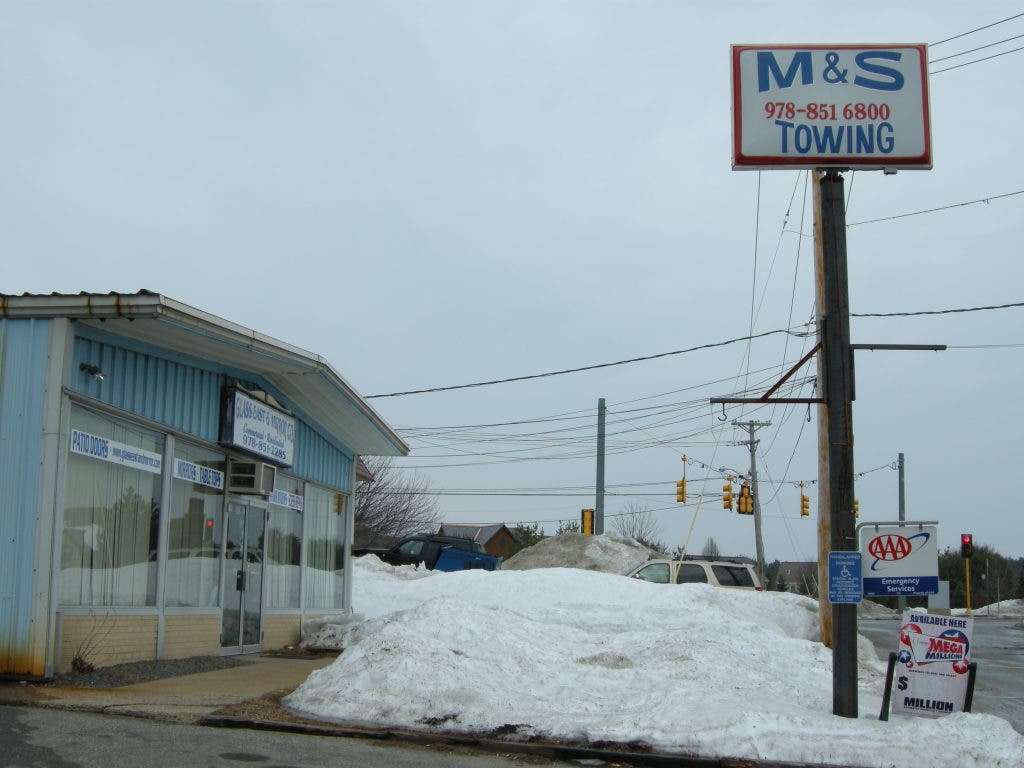
In fact, repair shops around Tewksbury, such as M & S Towing, have had to turn people away because they lack the ability to fix some car types and specific problems. Tony Cipollo, a manager at the garage, feels like his father-in-law’s repair shop just doesn’t have the access to the information it needs.
“You can’t get the software,” he said. “Some of it’s not available with the new cars.”
has experienced a similar problem: repair diagnostics that just don’t rev anyone’s engines in terms of completeness and availability. Manager Ed Santoro is for the legislation because of the opportunities it will offer independent garages.
“The dealers are holding too much information back. A lot of the basic stuff’s there, but some of the newer stuff, they’re not releasing it fast enough,” he said.
Marcell begs to differ. In his opinion, getting the repair information just isn’t that difficult. Marcell said that an organization was formed and a website created to provide information to independent garages.
“All of the people in the industry know of it and know of its usefulness,” Marcell said in reference to the website. “In my experience, 95 percent or better of the time, there is no problem. People can get the access they want.”
Marcell believes that the complaints that groups such as the Right to Repair Coalition have against dealerships are a “red herring” because repair problems are often user related. Repair shops also often run into problems with “knock-off” parts and scan tools, according to Marcell.
The passage of the Right to Repair legislation would be “disastrous” to the dealerships, Marcell said. He believes that the bill would allow competitors to have access to valuable intellectual property owned by the car manufacturers. This would, in effect, flood the industry with after-market parts.
“That would be a devastating blow to a major segment of their business,” he said in reference to the parts and service dealings of the dealerships.
A major portion of Group 1 Automotive’s revenues comes from servicing vehicles. In fact, 47 percent of the company’s 2010 fourth quarter gross profits were from parts and service.
In a press release, the Right To Repair Coalition maintains that the bill “will not require manufacturers to disclose trade secrets.” The possibility of such a problem is something that more than just the manufacturers and dealerships fear. Jim Hetherington, a part-owner of , believes the dealerships are entitled to the parts and service business they receive because of their time and monetary commitments invested in their product.
“A manufacturer goes through all of the expenses developing something, technically they should own the rights to it,” he said, though adding that he thought this right should be extended for a “limited time.”
Marcell also expressed fear about what the legislation could mean to jobs when a swing in business toward a secondary market is taken into consideration.
“If it were passed in its current form, it could be devastating to jobs, dealerships, and the factories that make the cars and parts,” he said.
On the other side of the equation, Kinsman feels that the legislation would be a source of stability to create and maintain jobs for workers in the independent repair business.
“They want to make sure that they continue to have an opportunity to thrive in Massachusetts,” he said.
Regardless of outcome, dealership or independent shop will feel slighted after the Massachusetts House of Representatives votes on the measure. It is now in the hands of the legislature to decide.