Schools
WHS Dropout Rate at 1.2 Percent, a Slight Increase from Last Year
Twelve students left Wakefield High School without graduating or transferring during the 2009-2010 school year.


Twelve students left Wakefield High School last year without earning a diploma or transferring to another high school or program, an increase of three students over the previous year, according to WHS guidance counselors.
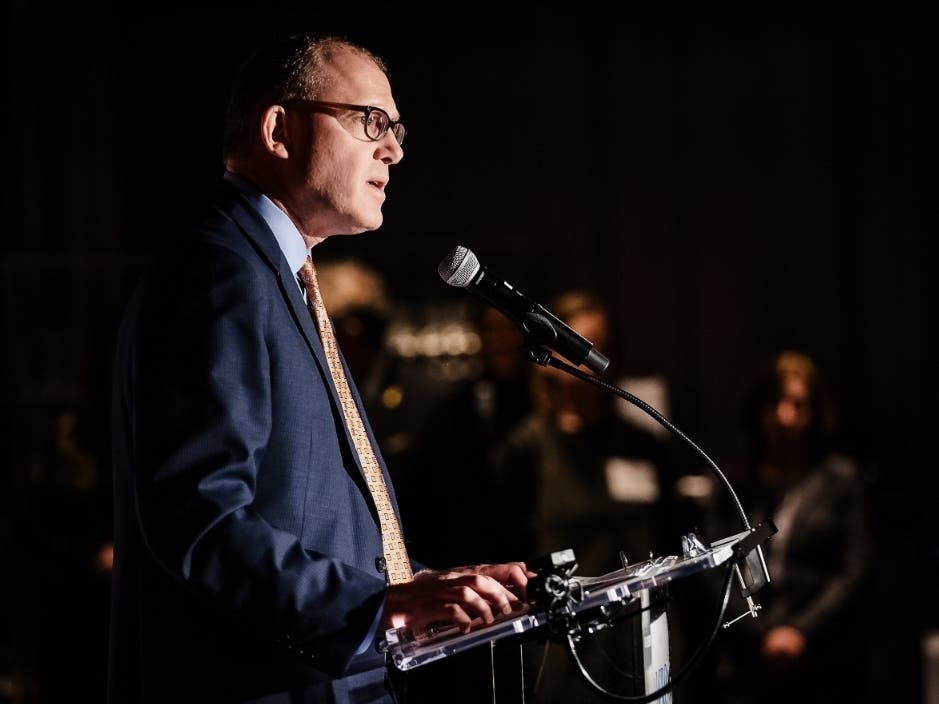
"The combined effors of the teachers and support staff have helped us to minimize the dropout rate to where we are today, but we can do better," said Arthur Beebe, director of the WHS Guidance Department, at last week's School Committee meeting. "The increase concerns me, but I don’t think it’s outrageous," he said.
Beebe said that out of the twelve, seven began as freshman at WHS. Four transferred to WHS later on in their high school careers, and were already dealing with credit issues. However, most of the students have taken and passed the 10th grade Massachusetts Comprehensive Assesment System (MCAS) test, which is required to graduate.
"There were a vast array of student services involved with them in an attempt to assist them with absenteeism, but chronic social, emotional and behavioral concerns made it difficult for people to come to school," Beebe said.
Find out what's happening in Wakefieldfor free with the latest updates from Patch.
Working to keep kids in school
Even though WHS's dropout rate rose from .95 to 1.2 percent over the last year - nine student dropped in the 2008-2009 school year, and 12 in the 2009-2010 school year - Beebe said the guidance department has several programs in place and plans to institute more.
A written survey on why students dropped out of school has not been getting a good response among those who dropped out, Beebe said, noting that he would instead like to switch to more of an "exit interview" to be able to collect some data on the reasons why students leave to help others - or themselves - in the future. Another program Beebe hopes to implement is a closer workng relationship with virtual high school programs so that students can work to make up for missing class credits.
Find out what's happening in Wakefieldfor free with the latest updates from Patch.
One program that was recently instituted at Wakefield High is the program, administered by Victor Bracco, the school's psychologist. The program identifies students who are "high risk" and pairs them with mentors to allow for a higher, deeper, safety net.
"The one month, two month, seven month kids are really hard to grasp, because you don't have the relationship," Beebe said, adding that it's most difficult for students who transfer later in their careers expecting to be juniors, but they don’t have the credits, so they are looking at three more years in high school.
"When you have kids facing hardships you nurture them through freshman year, encourage them," he said. "When they pass those exams, they see the light at the end of the tunnel and you start to get them through the next piece so [the MCAS] is a very important incentive. Kids want to do well, they want to graduate, they want to know they’re welcome and that’s what we’re trying to hold on to."
Get more local news delivered straight to your inbox. Sign up for free Patch newsletters and alerts.