Health & Fitness
Honey: For a Sweeter (and More Nutritious) Life
Honey offers nutritional benefits that refined sugar lacks, serving not only as a food but also a remedy to common health problems.

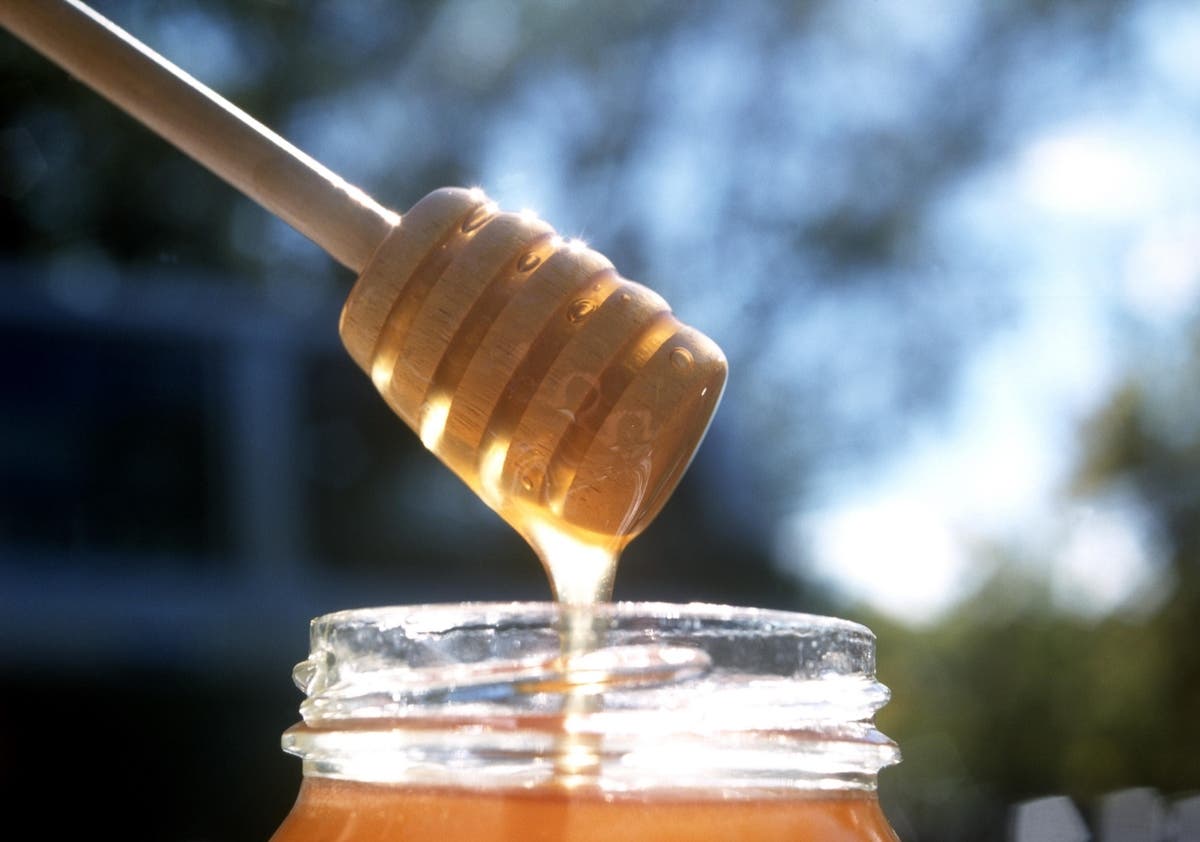
It’s that time of year again. The leaves are falling, the weather is cooling, and your tea kettle is whistling. But before you reach for the sugar jar, consider using honey to sweeten up your cup.
Why honey? Despite what manufacturers may tell you, not all sugar is created equal – there’s a reason why honey has been revered as medicine since ancient times.
When it comes to calories, sugar may look better with 15 grams of carbohydrates, and honey with about 17. Both get their sweetness from fructose and glucose, and neither help with weight loss if consumed in excess.
Find out what's happening in Walthamfor free with the latest updates from Patch.
However, there’s more to honey than its sweetness. With anti-microbial and anti-inflammatory properties, honey may offer relief from peptic ulcers and gastritis. Even more, the sweetener contains traces of nutrients such as minerals, vitamins, enzymes and flavonoids, such as the medicinal pinocembrin.
But, honey is not just a food. For centuries, honey has been used as a topical treatment for wounds, promoting healing and keeping sores free of bacteria. It can also serve as a remedy for sore throats, and is recognized by the Mayo Clinic as a cough suppressant.
Find out what's happening in Walthamfor free with the latest updates from Patch.
While this all may be true, some types of honey are better suited to act as medicine than others.
For instance, Manuka honey’s low pH level and dense sugar content may cause it to stop growth of bacteria, according to a research paper titled “Honey: its medicinal property and antibacterial activity,” published in the Asian Pacific Journal of Tropical Biomedicine. Others believe the germ-resistance of Manuka comes from a compound, called methylglyoxal, found in Manuka bushes in New Zealand and Australia, where the honey is produced.
Other honey, such as organic, is difficult to produce and difficult to verify, and raw honey is typically not pasteurized, even though the benefits of pasteurization are still subject to debate. The National Honey Board says the processing has little effect the amount of nutrients and antioxidants, but others claim it has more health benefits, give the greater amount of pollen grains.
Because raw honey contains higher pollen levels, it can be used as a treatment for pollen allergies, and is even believed to offset the effects of pollen found in the environment.
We strongly advise buying honey — raw or not — from trustworthy local providers who can ensure their product is safe, nutritious and free of contaminants. As for safety, remember that no honey, raw or heat-treated or filtered, should be fed to babies younger than one year because of the potential for botulin poisoning.
But for the vast majority of people older than that, honey is a delicious and nutritious treat.
John Walczyk is a registered compounding pharmacist at Johnson Compounding & Wellness in Waltham (www.naturalcompounder.com). Readers with questions about natural or homeopathic medicine, compounded medications, or health in general can email john@naturalcompounder.com or call 781-893-3870.