Neighbor News
Legislature adds funds for tourism, traffic lights, and low-income residents
The new state budget agreed to by the Senate and House includes several items of specific interest to Waltham.


The new state budget agreed to by the Senate and House includes several items of specific interest to Waltham.
One provision, offered by Waltham’s State Senator Mike Barrett, D-Lexington, provides $46,790 to the WATCH Community Development Corporation’s Housing Advocacy Clinic. The clinic assists tenants with threatened evictions, health code violations, applications for public housing, fuel assistance, and food stamps.
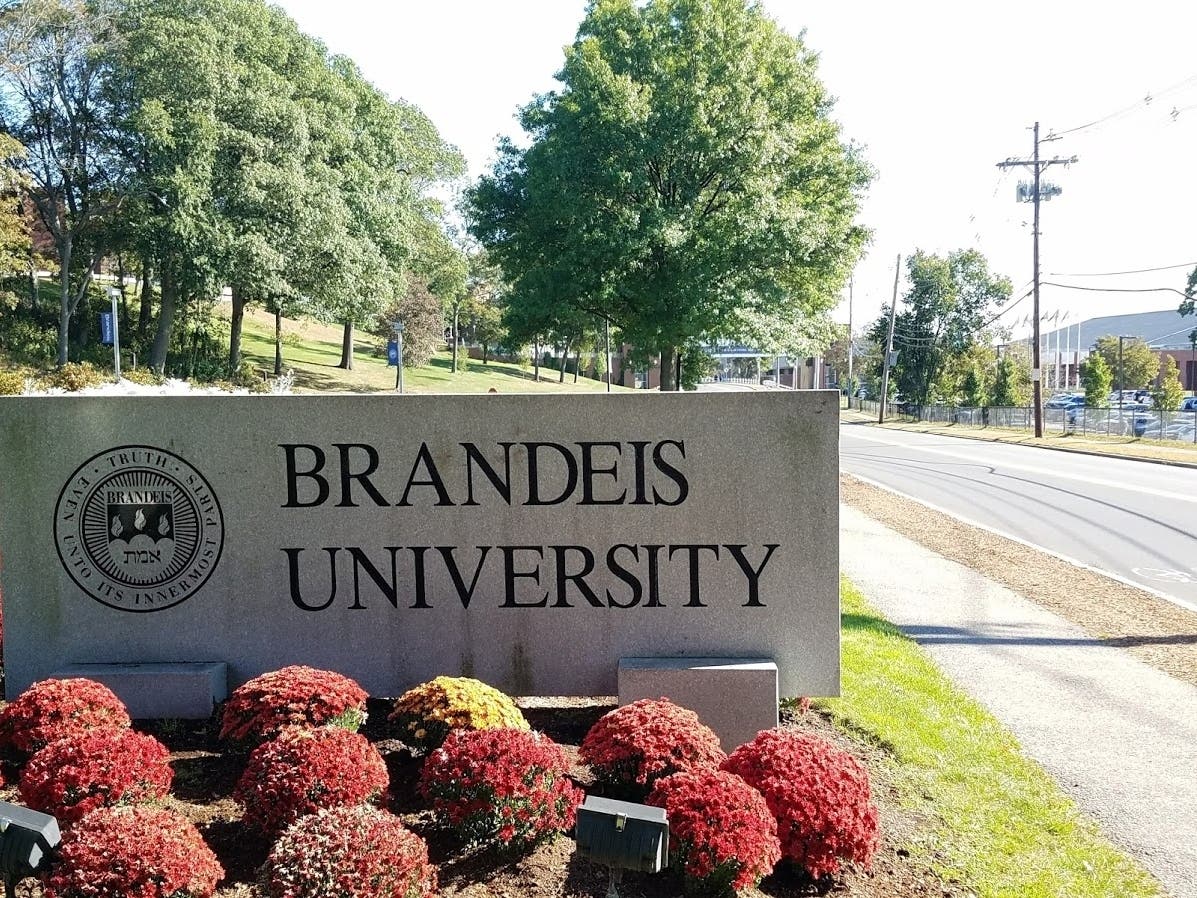
The CDC’s Housing Advocacy Clinic is currently staffed by Brandeis student volunteers, which allows the program to be open two evenings per week. Each year, they serve roughly 250 tenants, whose average annual income is under $17,000. The money added to the budget would primarily go to hiring a new part-time staff person to keep the clinic open during the day.
Find out what's happening in Walthamfor free with the latest updates from Patch.
A separate measure provides money to the Waltham Community Day Center. The Day Center works with homeless clients on housing, mental health, and substance abuse problems.
The new funds would go to hiring a full-time therapist trained in dealing with people who have both mental health and substance abuse challenges.
Find out what's happening in Walthamfor free with the latest updates from Patch.
“Staff of these organizations stretch themselves thin,” said Barrett. “They give and give and give. I’m pleased the state is stepping up.”
The Legislature also included $75,000 to assist the efforts of the Waltham Tourism Council.
The council promotes and sponsors many community events each year. Much of the money allocated by the Senate would go towards promoting celebrations such as the annual Riverfest and Steampunk Festival. “The Tourism Council plays a key role to getting the word out about Waltham’s amazing civic calendar,” Barrett said.
Barrett directed praise at State Reps. Tom Stanley, D-Waltham, and John Lawn, D-Watertown, for successfully pushing for the amendment during House budget debate.
The Legislature’s budget also includes $156,000 for a wireless traffic light coordination system in downtown Waltham, thanks to an amendment offered in the Senate by Barrett.
Currently, the Central Business District experiences a lot of congestion during weekday rush hour. Barrett’s amendment would allow traffic lights to be coordinated, easing bottlenecks and gridlock. Senator Barrett points out that less traffic means less pollution, so it’d be an environmental win, too.
Barrett again gave a tip of the hat to State Reps. Stanley and Lawn for pushing for the measure on the House side.
On matters of statewide interest, Barrett reports that the upcoming fiscal year budget includes funds for several programs to help people living in especially difficult circumstances.
One initiative, run by the Robert F. Kennedy Children’s Action Corps, aims to prevent troubled young people from re-entering the juvenile justice system. Back in May, the Senate first adopted an amendment, offered by Barrett, for $500,000 for the Corps’ Detention Diversion Program.
“Programs that keep kids out of lock up make a difference,” said Sen. Barrett, D-Lexington. Even a short time spent in juvenile detention damages educational and job prospects. RFK provides 24/7 case management for kids while they await trial, including coordination with probation staff, curfew checks, and weekly family check-ins.
“I see the effects of detention on the lives of children all the time,” said Dorchester Juvenile Court Judge Leslie Harris, Ret. “This is the only program in the Massachusetts courts that addresses the problem.”
A second measure adds funds for the Secure Jobs Initiative, which connects low-income parents in homeless shelters and emergency housing to job training and job placement services, including follow-up support for a full year.
“All the hurdles have not been cleared,” Barrett said. “Given the state’s pinched fiscal situation, the money is at some risk of a gubernatorial veto, or even later in the process gubernatorial impoundment. We’ve made great progress. But this is not yet a done deal.”
Barrett said the state budget “still falls short of where we need to be” in terms of help for the most vulnerable. He favors a progressive income tax to boost funding for much-needed services, such as transportation and education. But because instituting a progressive income tax requires a change to the state constitution, the question must first go before voters in 2018.
The Senate budget also includes:
· $4.63B for Chapter 70 education funding, a $116.1M increase over FY 2016 to allow for an increase for every school district;
· $14.1M for local Councils on Aging, increasing the formula grant to $10 per senior per year and strengthening local senior center community programming and services; and
· $139.2M in total funding to fight the opioid epidemic, an increase of $23.6M over FY2016 spending.
Now that the Senate and House have reached an agreement, the budget goes to the Governor’s desk.