Neighbor News
No need to be SAD these days
With the diagnostic skills and treatment available for SAD today, nobody needs to feel like a bear.

If you’re feeling like a bear these days, wishing you could just curl up and spend the next few months in your den, you’ve got company. Millions of us feel the same way. Even if everything else is going well in our lives, the natural cycles of the planet can have a dampening effect upon some of us.
Every day since the summer solstice in late June, inhabitants of the Northern Hemisphere have lost between two and three minutes of daylight. Of course, the days will begin to grow longer with the coming of the new year, but that’s little consolation for those suffering from Seasonal Affective Disorder, or SAD, whose effects can be serious, even debilitating.
Once dismissed as not a real disorder, or an extreme form of the winter blahs, SAD is now recognized as a bona fide medical condition. First described in a 1984 article in the Archives of General Psychiatry, SAD is included in the Diagnostic and Statistical Manual of Mental Disorders, Fifth Edition (DSM-5) – the standard reference work of the American Psychiatric Association.
Find out what's happening in Walthamfor free with the latest updates from Patch.
Effects can include lethargy, depression, and disruptions to normal sleeping patterns. Some with SAD crave carbohydrates and other comfort foods, thus gaining weight and feeling still worse about themselves.
The science is straightforward: Less sunlight means less production of vitamin D, which reduces the body’s production of serotonin, a neurotransmitter that regulates our moods.
Find out what's happening in Walthamfor free with the latest updates from Patch.
But as with any condition that affects our minds, determining whether an individual has a case of SAD – or another less or more serious condition – is not so simple.
All of us feel a bit down from time to time, and there are natural and wide variations in personality type. The key is determining whether what you’re experiencing is caused by the normal ups and downs of life or could, indeed, be caused by the shorter days of winter.
If you think you could use a boost, it doesn’t hurt to read up on SAD, take some vitamin D, get outside to enjoy what sunshine there is, and remember to eat a healthful diet.
But people who do have SAD usually need full-spectrum light therapy. With this therapy, a person can get the light they need to improve their body’s balance of serotonin and melatonin.
People who use a full-spectrum light box or lamp for 20 to 30 minutes each day report fewer symptoms of SAD and improved moods within a week. The lamps can run between $40 and $300 or more, but some insurance plans will cover the cost, provided a physician has diagnosed the individual as having SAD.
On the other end of the scale, it’s important to recognize that some people who may think they have SAD might in fact be suffering from clinical depression. Such individuals are unlikely to fully respond to light therapy, and may need talk therapy or antidepressant medication.
But the bottom line is this: With the diagnostic skills and treatment available for SAD today, nobody needs to feel like a bear.
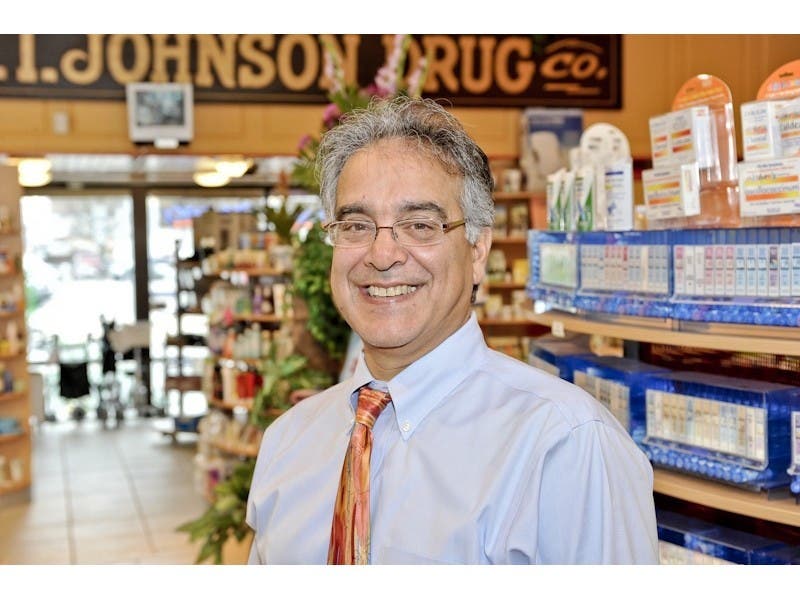
Steve Bernardi is a registered compounding pharmacist and co-owner of Johnson Compounding & Wellness in Waltham. Readers with questions about natural or homeopathic medicine, compounded medications, or health in general can email steve@naturalcompounder.com or call 781-893-3870.