Schools
Balancing the School Budget Likely Means doing Things That are not 'Educationally Sound'
Significant job cuts from the Watertown school staff is likely, and cuts may even mean cuting programs or closing a school.


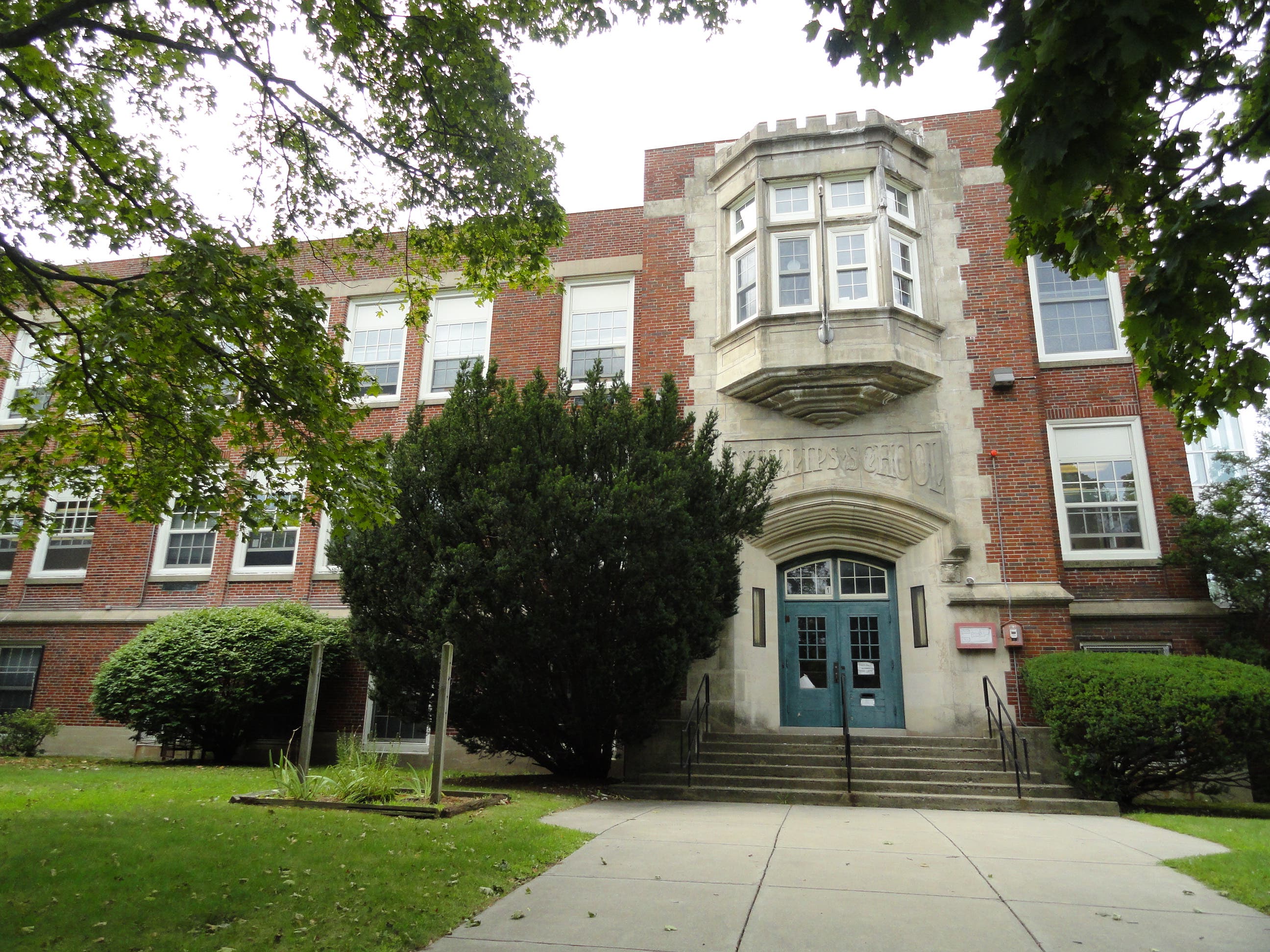
With the money not likely available to preserve the current staff and programs in the Watertown Public Schools, Monday night the School Committee’s Subcommittee on Budget and Finance began discussing painful cuts that could include dozens of layoffs, closing programs or even an elementary school.
The district would need a 8.7 percent budget increase in fiscal 2012– nearly $3 million – to “preserve and sustain” the schools in town, said Superintendent Ann Koufman.
Providing a “level service budget” (which maintains what the programs and staffing, but not making the necessary improvements to keep education moving forward) would require a 6 percent jump, or just over $2 million, Koufman said.
Find out what's happening in Watertownfor free with the latest updates from Patch.
That sort of money is not likely to be coming from the town. Town Manager Michael Driscoll told the Town Council the town faces a $3.46 million deficit in fiscal 2012 if the town plans to maintain the municipal services it has now.
Koufman presented overviews of what might be lost under scenarios where the Watertown schools receive a two percent increase, and one where there is no budget increase. She stressed these are moves that would be made to balance the budget, but not ones she recommends as an educator.
Find out what's happening in Watertownfor free with the latest updates from Patch.
“We are not talking educationally sound (changes) here,” Koufman said.
Impact of the Cuts
Potential changes under the 2 percent scenario include:
- Losing 8 classroom teachers
- Eliminating 5.7 FTE (full-time equivalent) non-classroom teaching positions
- Cut one school based office aide
- Eliminating one member of the central office support staff
- Cutting the teaching and learning materials budget by more than half
- Only providing busing for students who live farther than 2 miles from their school
The schools would look different, with the loss of staff and materials:
- Class sizes would rise in the elementary schools
- Fewer electives provided at the high school, and French could be eliminated
- Instrumental music could be cut from elementary schools
- Cutting music for one grade at the middle school and increasing the size of reading and English classes.
The cuts are much deeper in the zero percent scenario, which would include the items cut in the 2 percent budget, and add more cuts:
- Closing an elementary school
- Eliminating the cluster structure at the middle school
- Reducing the sports offered at the high school, either eliminating freshman teams or cutting the number of sports offered
- Increasing the size of kindergarten classes to 25 students, and grades 1-5 to 30 students
- Clustering all students in one grade level at one elementary school, i.e., have one school for all kids in grades K-2 and another for those in grades 3-5
- Eliminating electives for high school seniors
- Increasing high school athletic and activity fees
Biggest Savings Comes from Cutting Jobs
While cutting programs, or even closing schools save some money, most of the savings would come from job cuts, said Allie Altman, the district’s director of business services.
“Salaries drive this budget. They make up 70 percent to 80 percent of the budget,” Altman said. “And most have direct impact on students.”
District officials use $50,000 as the average teacher salary when doing budget estimates, Altman said.
The option of creating “clustered” elementary schools (all students in a grade level at one school) would require closing a school to provide a real savings, Koufman said.
School Committee member John Portz said the district will likely have to cut a significant number of jobs – either through layoffs or not filling vacancies. School officials do not know the exact extent, because they are waiting to see how many retirements there are this year.
“He have some retirements, four now, but most years we have six to eight,” Portz said. “There could be some savings there, otherwise we are looking at some position reductions – anywhere from 15 to 35 FTE’s (full time jobs).”
Teacher's Contract Still in Play
The teacher’s union contract remains unsigned by the School Committee. The agreement signed by the teachers would provide a 1.5 percent raise, which would cost $387,000 if other school staff get the same raise, Portz said.
Altman said her budget includes the raise for all school staff.
The amount of revenue coming in is beyond the control of the School Committee, and the district has nearly $900,000 in salary increases if the contract is approved. Another $900,000 must be added to the budget, Portz said, with about half to provide services for special education services and half to replace grants, primarily the federal stimulus grant.
The School Committee has delayed the signing of the teacher’s contract to see what the final budget picture looks like, said School Committee Chairman Anthony Paolillo.
“It is the one thing the committee has control over at this point,” Paolillo said.
School Committee members plan to hold a public hearing on the budget, where they want to hear input from parents and residents, on March 28, and they plan to vote on the budget on April 4, Portz said.
Get more local news delivered straight to your inbox. Sign up for free Patch newsletters and alerts.