Health & Fitness
Nutrition: The New Face in School
Kids may turn up their nose at the thought (and sight) of healthy food, but a new study shows nutritional "laws" are beneficial.
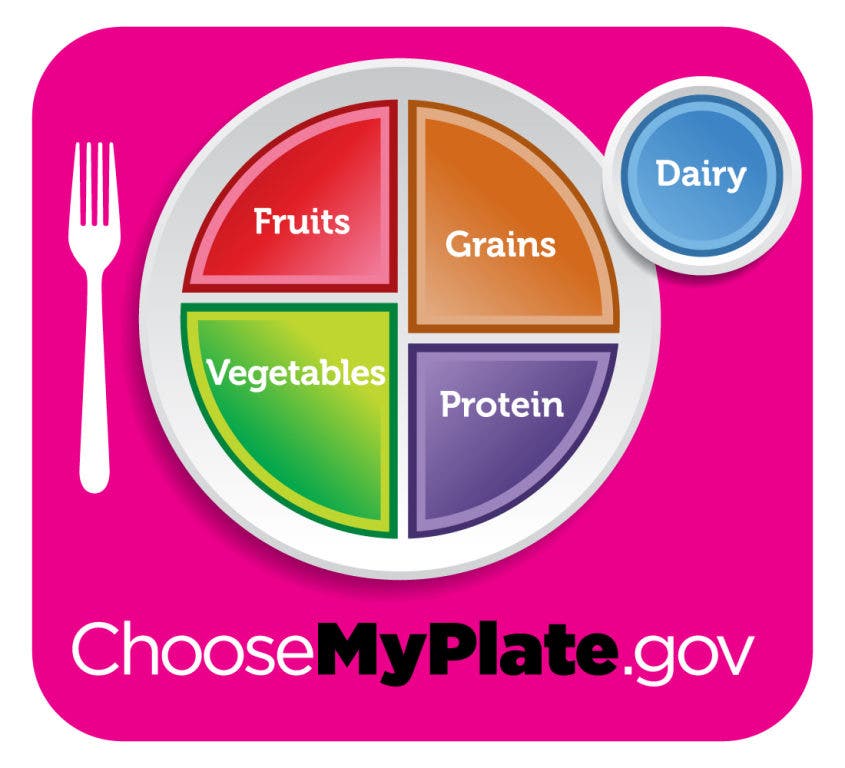
As students head back to school this fall, new supplies and schedules won’t be the only thing they see once they set foot through school doors. This fall, kids will likely be seeing the implementation of new nutrition standards for school lunches. New federal nutrition standards for school meals set the nutritional bar a bit higher for the first time in 15 years.
School lunches have been under fire lately (not from the stove!), mainly for serving unhealthy foods such as pizza and french fries that are jam-packed with calories and fat. Those foods may be a large contributor to the obesity epidemic facing the nation. According to the Center for Disease Control, about a fifth of American children are obese. The feds didn’t give much wiggle room to schools with these new rules. In order to receive federal meal reimbursements, schools must adhere to the new standards that include boosting servings of fruits, vegetables, whole grains and providing low-fat milk.
New Guidelines Include:
- Serve larger portions of fruits and vegetables daily. Portion sizes vary by age group.
- Offer a minimum number of dark green vegetables, red-orange vegetables, starchy vegetables and legumes each week.
- Make sure at least half of the grains are whole grains
- Adhere to new calorie and sodium guidelines
- Offer milk that is either 1 percent low-fat or fat-free
For many districts, this poses some tough hurdles. The first comes from the same obstacle many individuals face when making healthy decisions - how you can prepare healthy foods that taste good? More often than not the most appealing foods are loaded with sugars, fats and sodium. If that wasn’t tough enough, we all know many kids are notorious for being picky eaters to begin with. Further, healthier foods typically cost more (think about buying a bag of carrots vs. potato chips). When administrators are already strained on resources, the obstacle of providing healthier lunches is daunting.
Find out what's happening in Watertownfor free with the latest updates from Patch.
While the new standards step-up nutrition standards significantly, many Massachusetts parents and their youngsters have already been introduced to better nutritional standards. Massachusetts was an early pioneer of restructuring nutritional standards in schools following a 2011 vote from the Public Health Council that approved new rules that banned foods with artificial sweeteners, trans fats and caffeine from school a la carte menus, vending machines, school stores, events and fundraisers. Most of these changes will also roll out in schools this academic year.
While kids may turn up their nose and make faces at the thought of healthy foods, studies show it will benefit them in the long-run. A new study out in Monday’s issue of "Pediatrics" found that in states with tougher laws on food in vending machines, snack bars and other areas, students gained less weight over a three-year period than those kids living in states with lenient or no junk food “laws.”
To read more on the nutrition in Massachusetts schools, check out the Department of Education’s nutrition site: http://www.doe.mass.edu/cnp/