Business & Tech
Q&A: Tree Care, Removal in the Wake of Hurricane Irene
Patch asked Lynch Landscape & Tree Service for some tree tips.


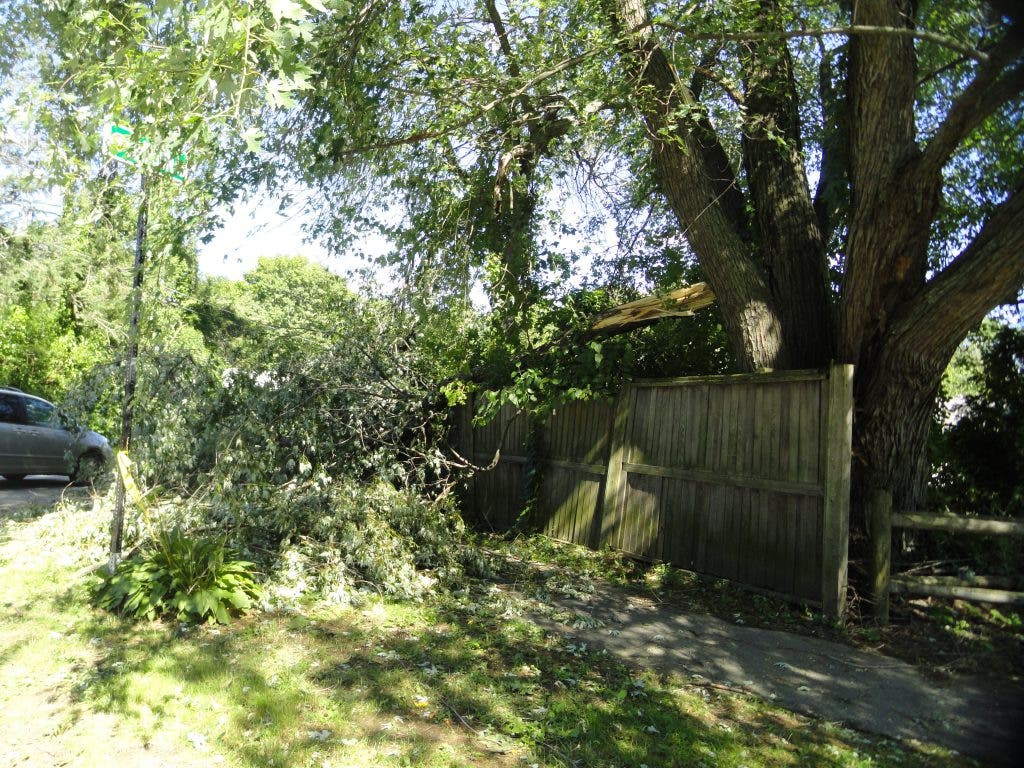
Quentin Nowland, director of operations at in Wayland, and Bill Joseph, a Certified Massachusetts Arborist, offered some tips for properly caring for your trees as you clean up after Hurricane Irene.
Q: Is there a proper way to remove broken branches from an otherwise undamaged tree?
A: Yes, the proper way to remove broken branches is the three cut or "tri-cut" method. The first step is the under cut. Second, perform a top cut in front of the under cut. Lastly, go behind the under cut and make a clean cut all the way through the branch to prevent any wounds or damage.
Q: How do you know if a tree can be salvaged?
A: In order to correctly know if a tree can be salvaged, a homeowner should contact a local Certified Massachusetts Arborist to provide a full tree analysis and evaluation. Tree and property evaluations are free to homeowners when conducted by Lynch Landscape & Tree Service and Lynch Plant Healthcare. Similar to when people visit a licensed and certified physician for a health check-up, we recommend homeowners do the same for their trees by consulting a certified arborist.
Q: What are some common mistakes people make with tree care in the aftermath of a storm?
A: Common mistakes people make with tree care after storms include:
- Not using personal protection equipment (especially hand, eye and ear protection).
- using ropes to pull down branches.
- springing of a tree (or trees) once released from a removed, fallen tree -- "spring poles."
- ignoring common safety practices with downed limbs.
- contacting direct and indirect power sources -- down wires, down wires touching fences, posts, etc.
Q: What are steps people can take in the future to help prevent tress from falling on their homes and cars?
A: There are several steps people can take to prevent trees from falling. Show interest in all the trees throughout the year and not just after storms. Trees are living organisms and require proper inspection, fertilization and pruning. A Certified Massachusetts Arborist can provide homeowners with advice and instructions on how to correctly care for their trees. Arborists can inspect the trees once a year and homeowners should also visually inspect for diseases, pests and insects (such as Winter Moth Caterpillar). Lastly, homeowners should be aware of building additions, driveways and large patios near trees. Complex root systems are underground and their well-being is paramount to the health, beauty and vitality of trees.
Get more local news delivered straight to your inbox. Sign up for free Patch newsletters and alerts.