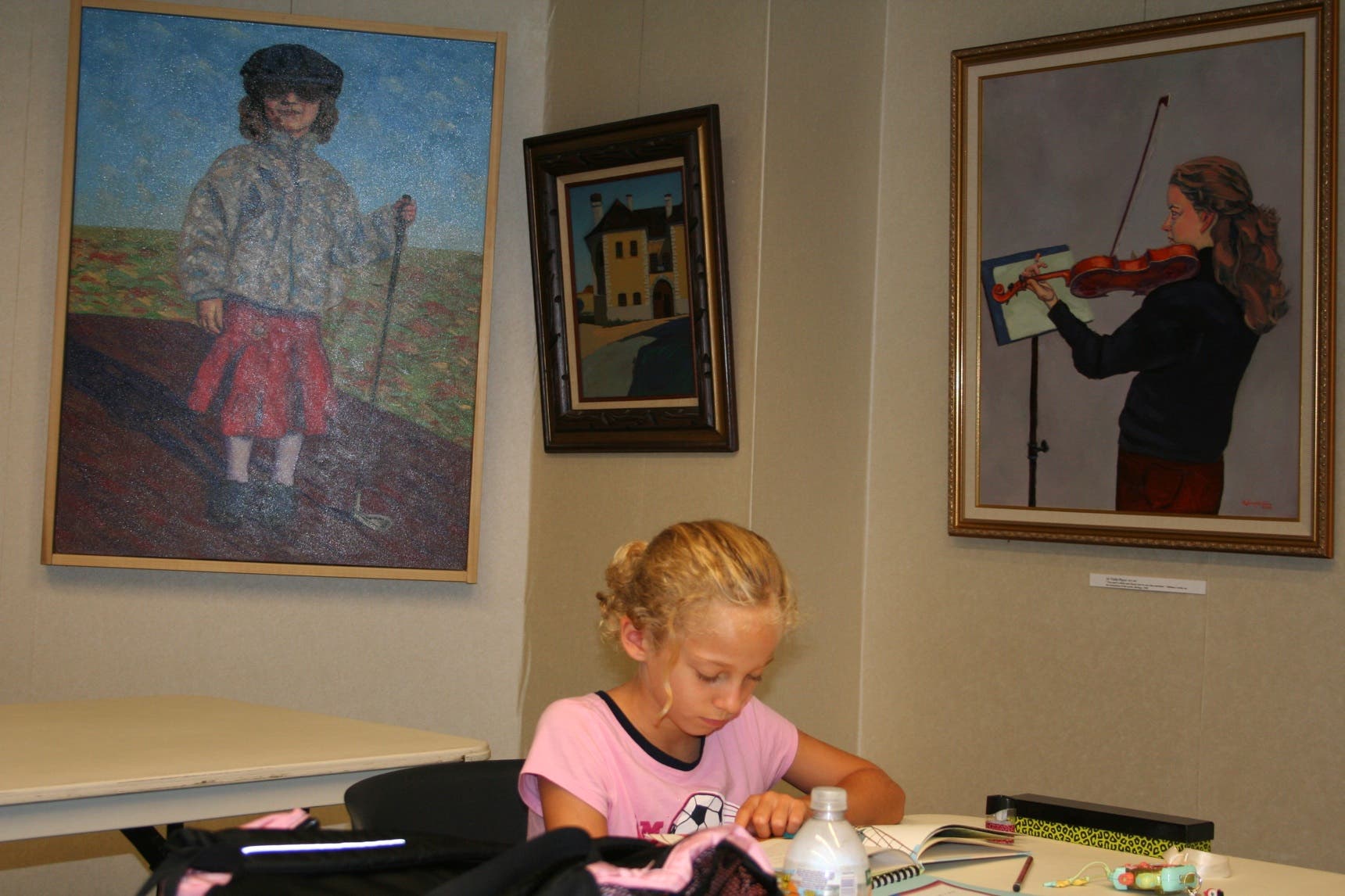
I recently sat with dozens of other Wellesley parents and watched a special screening of "Race to Nowhere - The Dark Side of America's Acheivement Culture." This documentary about the movement to reduce stress and the amount of homework in the post "No Child Left Behind" world, has started a dialogue in the public schools between teachers, parents and administrators. Have parents and teachers been sold a bill of goods about standardized testing and loaded-up homework schedules?
No one disputes that we all want self-directed, critical thinkers and confident students. But after viewing the documentary, the buzz in the middle school auditorium led to a discussion led by the principals of the middle and high schools, about the amount of at-home work that students are required to do. Many in attendance agreed that the homework level is too high. The film features heartbreaking stories of students pushed to the brink, and demonstrates how cheating is becoming commonplace. I left the discussion thinking about a host of issues related to my own child's public school education. Where is the balance between helping our students achieve, and measuring the success of our teachers and schools? Are too many familes setting unrealistic expectations by demanding perfection when it comes to their child's education?
I was most struck by a comment from a child psychologist interviewed in the documentary, who said, "“When success is defined by high grades, test scores and trophies, we know that we end up with unprepared, disengaged, exhausted and ultimately unhealthy kids." Sure, it's important to evaluate, but isn't the give and take of teaching and learning Education's priority one?
Find out what's happening in Wellesleyfor free with the latest updates from Patch.
"Race to Nowhere" suggests parents try to avoid over scheduling, and allow kids not only to make mistakes, but to learn from them, just as we did when we were children. Should parents be challenging homework amounts and testing practices, which, teachers admit, narrows the curriculum?
I think the answer lies in getting involved in the ways we are educating our students. Wellesley's parent organizations should be praised for making sure that parents and teachers had access to the film. Many parents at the screening also suggested that students at the high school have a chance to view the film.
Find out what's happening in Wellesleyfor free with the latest updates from Patch.
If you missed the "Race to Nowhere" Wellesley screening, you can still discuss the issues with other parents and educators, thanks to the town of Wellesley's Youth Commission. A discussion of the film and its painful questions about school pressures will be discussed on Saturday, April 9 at the . You can register for the summit at www.wellesleyma.gov/youth.
Deb Robi is a writer and voiceover expert who lives in Wellesley with her husband and daughter.