Neighbor News
Weimar Cinema Film Series The Cabinet of Dr. Caligari
Wednesday, October 28, 2015 - 6:30pm Collins Cafe, Collins Cinema Film Series: Gender + Social Change in Weimar Cinema
Wednesday, October 28, 2015 - 6:30pm
Collins Cafe, Collins Cinema
Film Series: Gender + Social Change in Weimar Cinema
Find out what's happening in Wellesleyfor free with the latest updates from Patch.
From the uncanny tale of terror that is Wiene’s The Cabinet of Dr. Caligari to the nuanced story of one young woman’s illicit love in Mädchen in Uniform, these films of Weimar Cinema demonstrate the anxieties, uncertainties, and aspirations bound up with changing gender norms amidst the young Weimar republic. The experience of war and defeat, coupled with the radically altered socio-cultural norms introduced by democracy and the new constitution, played out in that most modern of media, the cinema, which simultaneously celebrated and punished the transgressive bodies that populated it.
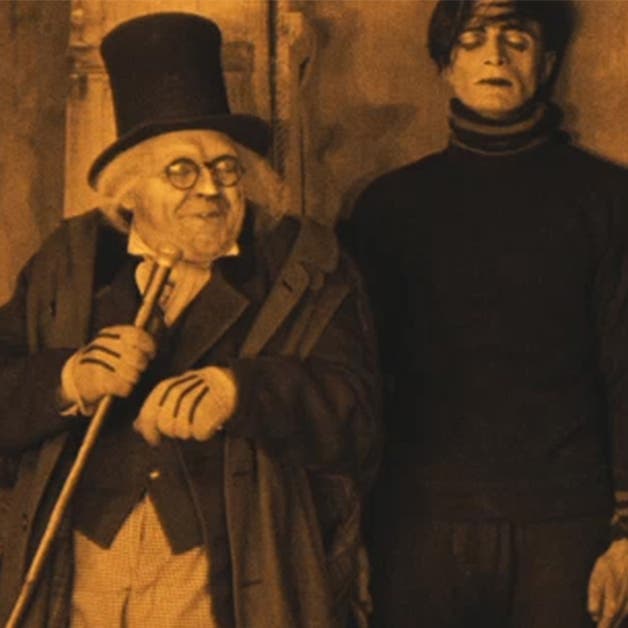
This fall, Wellesley College CAMS Department is honored to present The Cabinet of Dr. Caligari (1920) as the second screening in this four-part Weimar Cinema series. Directed by Robert Wiene, this brilliant silent thriller jolted post-World War I Germany and catapulted the movement known as German Expressionism into film history. Known as the first modern horror film that established a template for today’s scary movies, psychological thrillers and noirs, The Cabinet of Dr. Caligari creates a plunge into the mind of insanity that severs all ties with the rational world.
Find out what's happening in Wellesleyfor free with the latest updates from Patch.
In this fascinating and bizarre world, a demented doctor, played by Werner Krauss, and a carnival sleepwalker, played by the young Conrad Veidt, perpetrate a series of ghastly murders in a small community, with a surprise ending still in frequent use today. A “mute opera of fear,” the film draws upon the eerie, occult experience of early cinema itself. Through the warped gaping and gurning along with the distorted perspective of expressionist sets, Director Robert Wiene and his visionary team of designers craft a nightmare realm in which light, shadow and substance are abstracted. Indeed, The Cabinet of Dr. Caligari is a nightmarish cinematic extension of Bram Stoker’s 1897 classic Dracula, combining romantic superstition with the supposedly rational world of psychiatric surveillance and control.
This screening has been generously supported by the Davis Museum Film Program Gift.