Community Corner
Wellesley Man Using 23 Printers To Churn Out Face Masks
Stan Helinski has used his time at home to 3D print respirator masks for hospitals and nursing homes in the area.


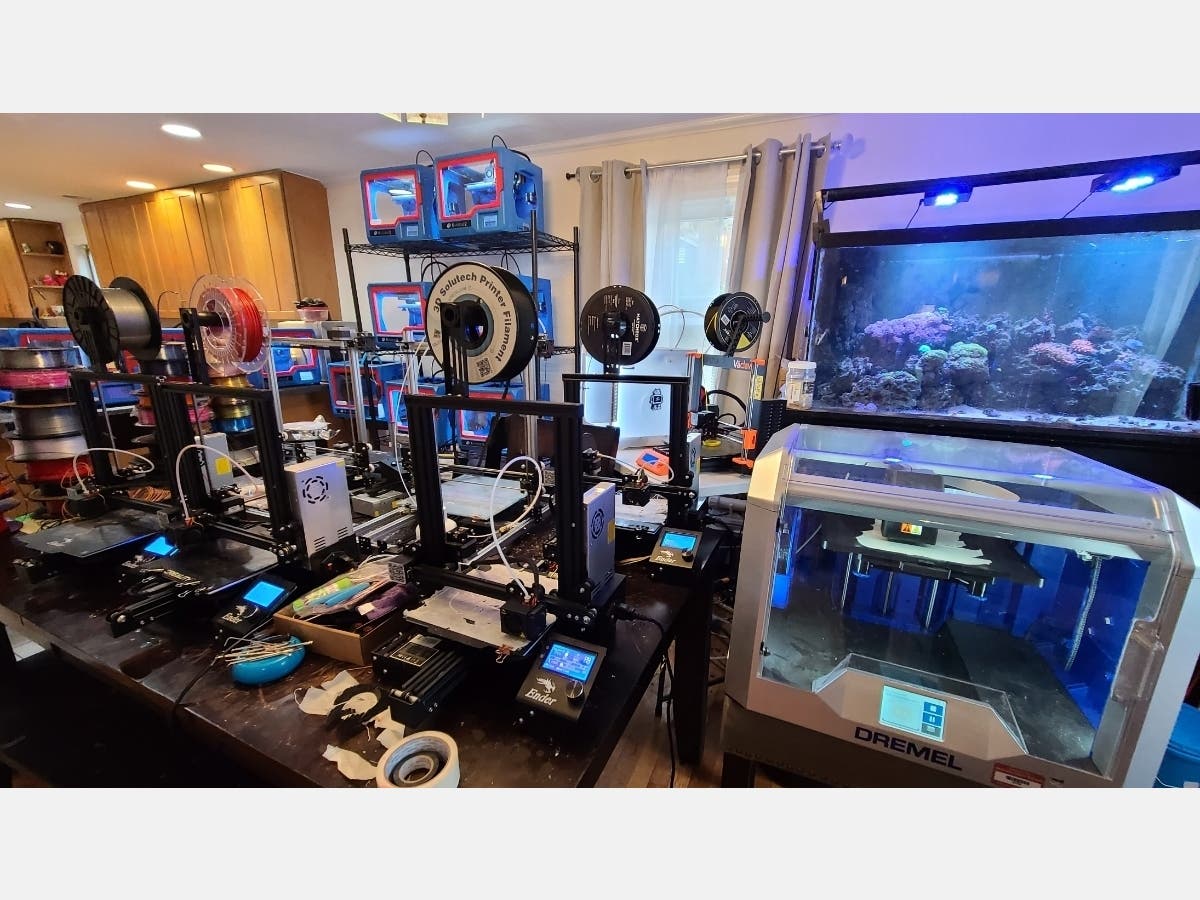

WELLESLEY, MA — Stan Helinski has twenty-three 3D printers whirring in his house, almost at all times. He and his 12-year-old daughter Gabby joke that if they close their eyes, the sound of the printers working at once is almost like the ocean. Instead of churning out waves, Helinski's printers are churning out personal protective equipment for health care workers.
From his home in Wellesley, Helinski can make anywhere between 60 and 90 respirators a day. He's decided to focus on respirators and a few face shields, since he thought it would be of the most effective use to front-line workers. Most doctors and hospitals are wary of accepting homemade respirators as their effectiveness can vary based on the materials used, so Helinski dedicated himself to researching the best materials and methods.
"I started using a National Institute of Health approved design, which was okay, it wasn't great," Helinski said.
Find out what's happening in Wellesleyfor free with the latest updates from Patch.
He consulted friends and family in the medical field and tweaked the design until he came to the final product. The plastic masks are printed from medical-grade filament and fitted with a MERV or minimum efficiency reporting value, filter. The filter is commonly found as an allergy-reduction HVAC filter and can be bought in most hardware stores.
From there, an assembly team fits the plastic masks and filters with foam, so that the mask will be tight to the recipient's face, elastics to hold the mask up and printed directions on how to further fit the masks using hot air from a hair dryer.
Find out what's happening in Wellesleyfor free with the latest updates from Patch.
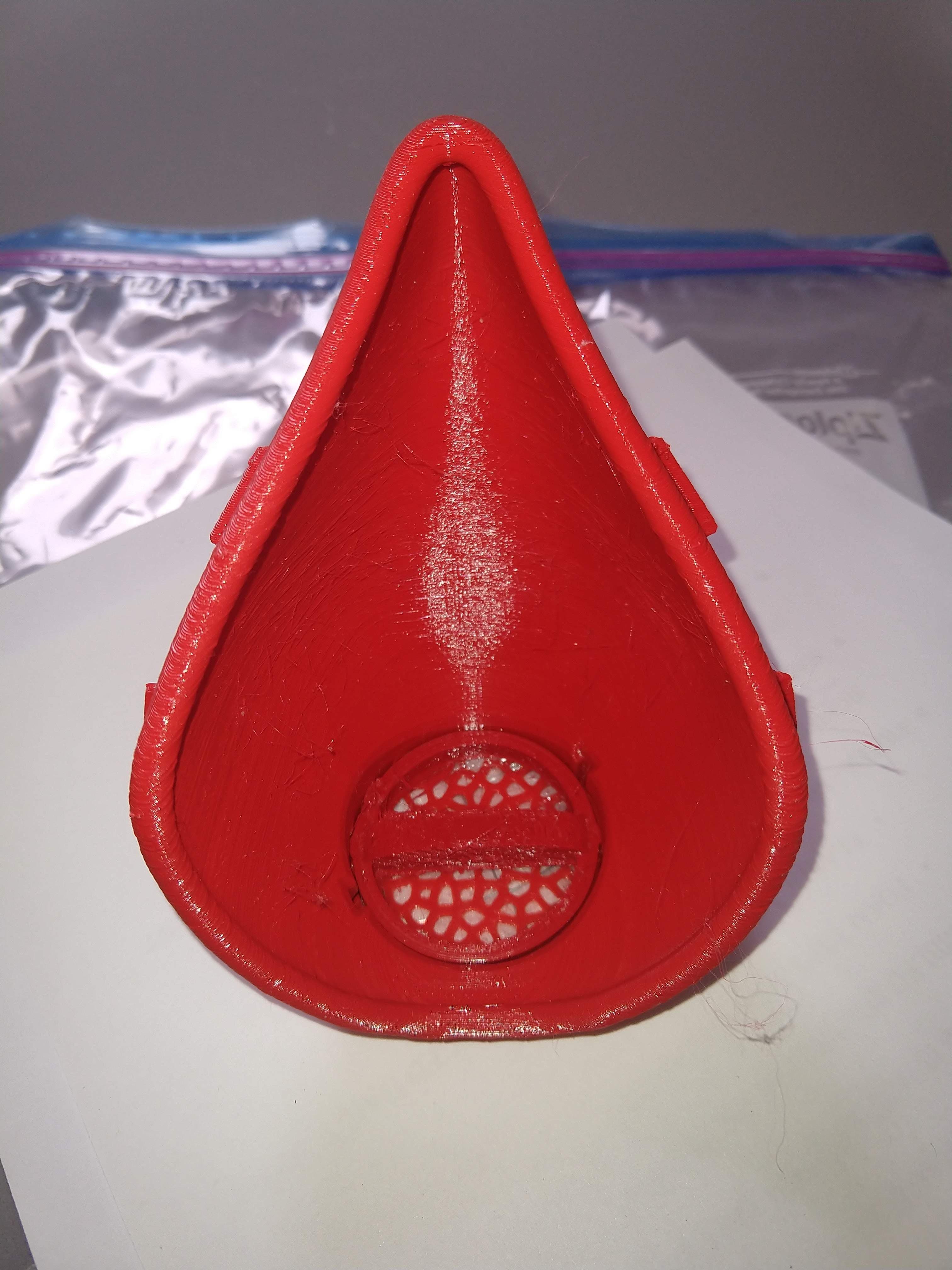
Helinski said he brought his mask to a doctor at Emerson Hospital who conducted what he calls "a perfume test." The doctor sprays perfume in front of someone wearing the mask, if the person can smell the perfume, the mask is no good, but if not then it's useable.
"All the respirators that I've given them passed the perfume test," Helinski said.
So far, Helinski has sent masks to Emerson Hospital, Cambridge Health Alliance, St. Elizabeth's Hospital and to first responders in Waltham. Helinski said while he serves hospital staff, he also wants to focus on nursing homes.
"I've had to make more emergency runs to nursing homes than I can begin to describe," Helinski said.
The need for PPE in nursing homes is immense and the virus is taking a massive toll on residents and employees. Staff and residents at long-term care facilities account for more than half the deaths in Massachusetts, according to new state data.
Helinski said that's why he shifted his focus to respirator masks instead of face shields, to try to offer the best protection to the most vulnerable.
Home improvement stores like Home Depot as well as community members have stepped up to donate the HVAC filters needed for the masks. While the help is hugely appreciated, Helinski said the production is still a costly one, with the medical grade filament being the priciest piece of the puzzle. The project is largely self-funded but Helinski set up a GoFundMe page to try to ease the financial burden.
"We're just gonna keep going, printing and printing and printing," Helinski said.
With no end in sight, Helinski isn't losing steam, in fact, he's mulling over the idea of putting together a Zoom workshop to teach other makers with 3D printers how to produce the respirators. In the meantime, he's content waking up at 4 a.m. and listening to the hum of his private ocean right, in his dining room.
Get more local news delivered straight to your inbox. Sign up for free Patch newsletters and alerts.