Health & Fitness
Boost Your Apartment Safety
Kerri Bonarrigo of Abode Residential gives tips and advice to make your apartment safer.
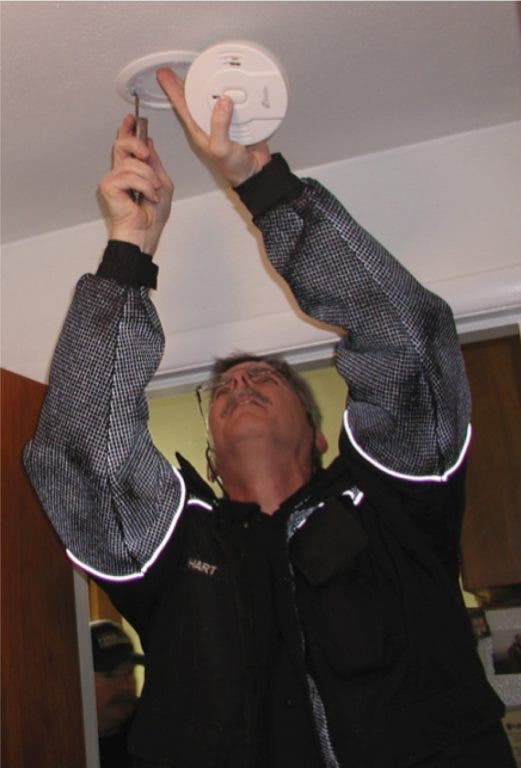
Living in an apartment is different from living in a freestanding house, where you can install a home security system and implement building-wide safety devices like redundant smoke detectors and radon-detection tools. But just because you live in an apartment doesn't mean you can't take measures to protect yourself while you're at home. And safety and security come in all forms, from fire safety to personal safety to the security of your belongings.
The good news is that apartment buildings must conform to certain fire precautions. Your landlord is responsible for providing you with working fire extinguishers and smoke detectors, which you should check frequently to make certain they are in working order. It's also a good idea to install a carbon monoxide detector somewhere inside your apartment if the landlord hasn't already done so.
Large apartment building may also feature sprinkler systems in hallways and common areas – a safety amenity seldom seen in an individual residence.
Find out what's happening in West Roxburyfor free with the latest updates from Patch.
Don't overcrowd your apartment with furniture and belongings that could impede easy access to escape routes in the case of fire. If necessary, rent a storage unit for excess clutter. As with any home, plan a primary and secondary escape route in the event that there is a fire.
Be extra careful with space heaters or anything other devices that contain a heating element. Never leave these appliances on when you aren't are not at home or when you are sleeping, and make sure they are located a safe distance from any fabrics or other flammable materials.
Find out what's happening in West Roxburyfor free with the latest updates from Patch.
Keeping yourself safe and sound in your apartment is of utmost importance. Fortunately, it is easy to take sensible precautions to avoid situations that might jeopardize your personal safety. Peephole viewers in doors are meant to be used, so make sure you take a quick peek before unlocking your apartment door. You may want to request a deadbolt or security chain if your apartment doesn't already have one. Avoid letting anyone you don't know enter the locked building behind you and never prop the lobby door open. Keep windows locked when you are not at home, particularly if you live on the ground floor or near a fire escape.
Note your surroundings and report any strangers who are loitering around the building or behaving strangely nearby. Once inside, avoid riding the elevator with a stranger. And get to know your neighbors. Not only will you be able to more easily identify anyone who doesn't belong in the building, but you'll have people to rely on if an emergency should ever arise.
"I would recommend that renters consider choosing an apartment development with an established management system and a high level of security," says John McGrail, CEO of the Mayo Group, a firm specializing in urban development. The group's recently developed Bancroft Commons apartment development in Worcester, MA features a concierge, on-site management, video surveillance, and a 24-hour maintenance hotline.
When it comes to securing your belongings, you'll want to make sure the landlord or building manager has changed all of the locks on your apartment doors since the last tenant moved out. Once you're settled in, never leave your apartment unlocked – even if you're just grabbing the mail or taking out the trash.
Renter's insurance is a must, says McGrail. "You wouldn't buy a home without purchasing homeowner's insurance in case of any contingency," he says. "Why would you take risks with your belongings just because you don't own the building where they're located?"
Consider keeping any highly valuable jewelry, heirlooms, paperwork or large amounts of cash in a safety deposit box at your bank. And take pains to make your apartment look "lived-in." If you're away from home for extended periods of time, leave a television or radio on or keep a light on a timer.
Most apartment tenants will never experience safety or security concerns, but it's always best to be prepared. Investing time in planning for any contingency will ensure that you are equipped to handle any concerns that should ever arise.