Neighbor News
Sleeping Well - Easier Said than Done
Researchers studying Alzheimer's point to sufficient sleep as crucial for protecting against Alzheimer's.
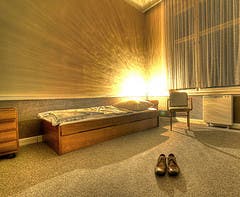
(Image Credit: Alex Brown - Flickr Creative Commons)
Researchers studying Alzheimer’s think that sufficient sleep is crucial for the consolidation of information we learn over the course our waking hours. That is why so many recommend a good night’s sleep as a way to protect against Alzheimer’s.
However, many people find a good night’s sleep to be an elusive goal. Below are some basic approaches to sleep, but all require consistent application to be effective. In addition, what works for some will not work for others, so experiment until you figure out what works best for you.
Find out what's happening in Westwoodfor free with the latest updates from Patch.
Set a Schedule
Our bodies have a natural wake-sleep cycle. You can sync with these natural rhythms more effectively if you establish a set time to go to sleep and to wake up each day, even on the weekends. If you deviate from this schedule and are sleep deprived, take a nap, but keep it short, no more than 30 minutes, and take the nap early in the afternoon.
Find out what's happening in Westwoodfor free with the latest updates from Patch.
Limit Food and Drink Before Bed
It is hard to get quality sleep on a full stomach. Don’t eat within two hours of bedtime, and if you do eat something, avoid spicy and fatty foods. Alcohol may allow you to fall asleep quickly, but it will also wake you after a few hours. Caffeine can impair your ability to sleep for up to 10 hours, so avoid caffeine after lunch.
Turn Off those Screens!
Melatonin is a hormone that is produced when we are in the dark. It makes people drowsy and promotes sleep. Conversely, melatonin is not produced when people are in bright light. Thus, people can improve their sleep if they get out in bright sunlight during the day and keep their sleep environment as dark as possible.
The use of television, computer and tablet screens reduce the production of melatonin as well as keeping us stimulated and mentally engaged. Turn off all televisions and computers at least an hour before bed, and don’t use a tablet to read in bed at night.
For the full list of tips on how to get consistently better sleep, see http://whiteoakcottages.com/sleep-well-easier-said-than-done/