Health & Fitness
Conserve Water During Dry Conditions
We obviously need to water to keep our plants alive, but we need to think about water conservation too in such dry conditions with little or no rain in the forecast.
According to a report from the National Climatic Center in Asheville, NC, and the Huffington Post, the nation's widest drought in decades is spreading, with more than half of the continental United States now in some stage of drought and most of the rest enduring abnormally dry conditions. As I write this post from my farm on Cape Cod, the thermometer says 88 degrees (though it feels even hotter), much of my lawn looks brown and my flowers, vegetables and normally hearty hydrangea look wilted. And there have been many days this summer just like this.
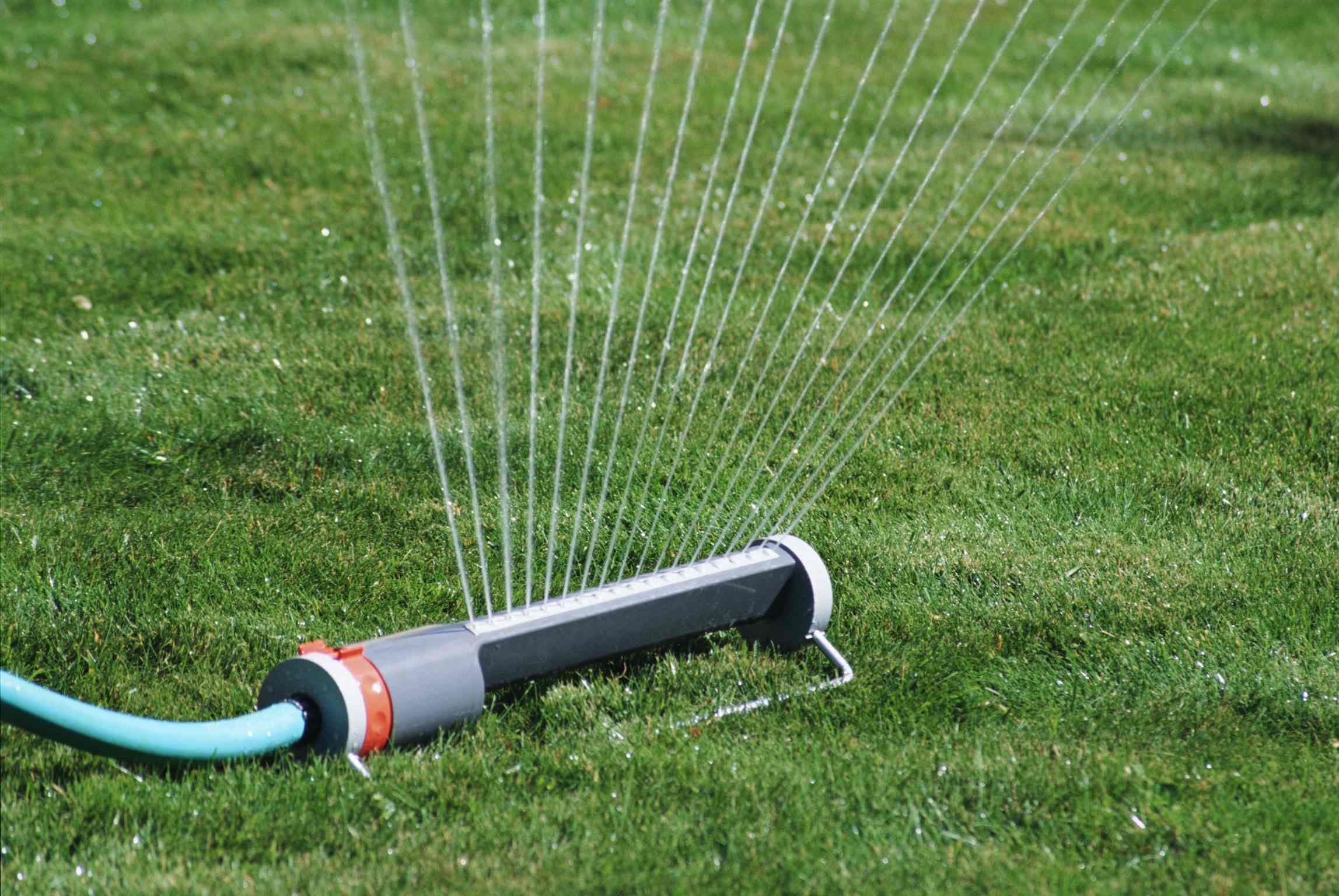
We obviously need to water to keep our plants alive, but we need to think about water conservation too in such dry conditions with little or no rain in the forecast. We all love a green lawn, but turf grass is our largest irrigated “crop” using as much as half of all fresh water used in urban areas each year. Typically, at least half of all water consumed by households is used outdoors. Lawns require two-and-a-half to four times more water than trees and shrubs, and a typical suburban lawn uses 10,000 gallons of water over and above that provided by rainfall in a single year.
What can you do? Lots…
Find out what's happening in Winchesterfor free with the latest updates from Patch.
- Mow high. Longer grass encourages longer roots, which require less water and food. It also holds moisture better.
- When you do water, water deeply and infrequently.
- Water between 4 and 6 a.m. when the demand is low. After 10 a.m., much of the water evaporates.
- Check your automatic sprinkler system periodically to make sure the heads are actually watering the lawn and not the sidewalk or your house.
- Since there seems to be a trend towards hot, dry summers, consider re-landscaping to minimize grass areas in your lawn, lowering your demand for water.
- If you can, let your lawn go dormant during this drought period. Lawns are supposed to go dormant in the summer – we just keep them artificially green by watering. If your lawn has a good root system established, the lawn won’t die and will bounce back during the cooler temperatures of fall.
Information compiled from http://www.bouldercolorado.gov and http://web4.audubon.org/.
For more green tips, visit greenwithbetsy.com.