Health & Fitness
What is a High Performance School?
The benefits of the High Performance Schools are many - they raise student performance, including higher test scores and they offer increased average daily attendance, and lower operation costs.
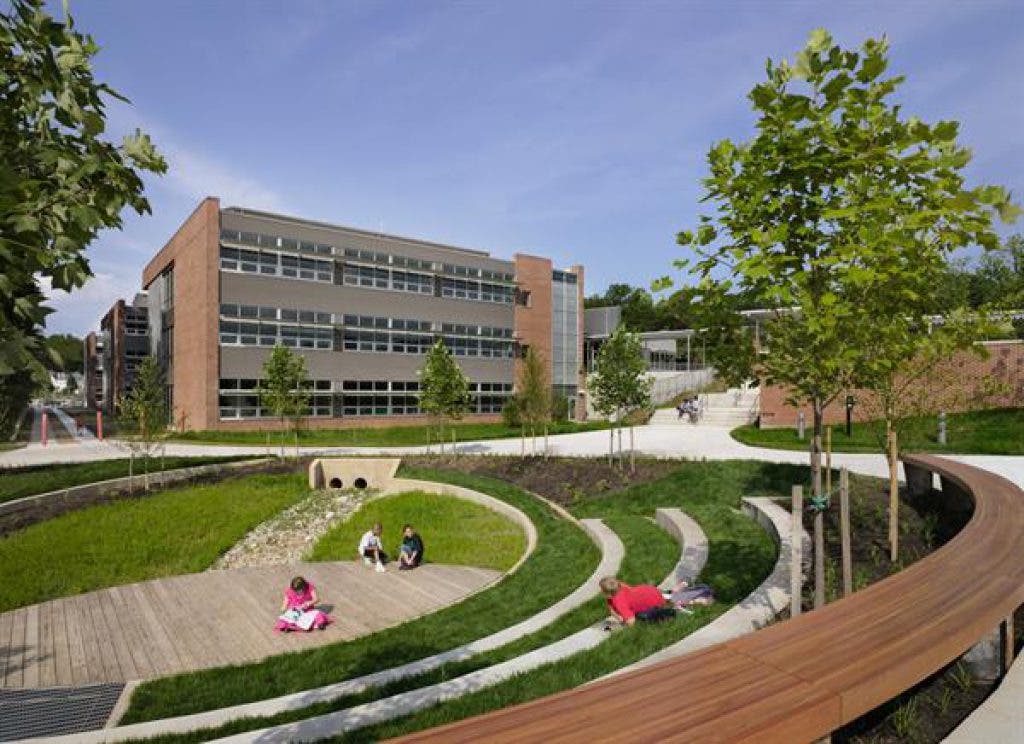
According to ENERGY STAR, a joint program of the U.S. EPA and the U.S. DOE, the annual energy bill to run America’s primary and secondary schools is a staggering $6 billion — more than is spent on textbooks and computers combined. The least efficient schools use three times more energy than the best energy performers. The best energy-efficient schools cost 40 cents per square foot less to operate than the average energy performers. Building a High Performance School requires more careful planning than most conventional schools. Engineers, school facilities management and architects should first focus on all the areas in which energy could be saved, and then incorporate renewable energy sources.
Here are some important points to consider when building a new High Performance School:
- Site selection and building orientation
- High- performance building envelope – High R-Value building components
- High Efficient Windows and Doors with exterior shading to minimize solar heat gains
- Ventilation Energy Recovery Systems
- Optimizing Daylight
- Advanced Lighting Controls and Light and motion detectors to monitor energy usage
- Potable Water Use Reduced by 90% through Rain Water Harvesting and Low Flow Fixtures
- Earth Tubes
- Solar-Reactivated Cooling
- Solar Photovoltaic (PV) Systems for Electrical Generation
- Solar Domestic Hot Water heating
The size and the cost of the last four items can be reduced substantially by using the first seven.
Find out what's happening in Winchesterfor free with the latest updates from Patch.
Additional environmentally friendly design principles that have huge health impact and cost savings:
- Use recyclable, and local building materials
- Non-toxic building materials
- Minimized impervious surface
- Rainwater collection to water school lawns
- Use native landscaping to reduce water use
- Outdoor teaching spaces
- Eco-garden to demonstrate water conservation and farming practices
- Minimized construction waste, and recycling of construction materials
Benefits of High Performance Schools are: Higher Test Scores, Increased Average Daily Attendance, Reduced Operating Costs, Increased Teacher Satisfaction and Retention, Reduce a district’s exposure to health-related problems, lawsuits, and loss of credibility, and Reduced Environmental Impacts.