Politics & Government
Winchester Delegation & Legislature Pass Law Keeping Book Bans out of Massachusetts Schools and Libraries
New law creates clear guidelines for how schools and public libraries decide which books to make available and how and when to remove them.

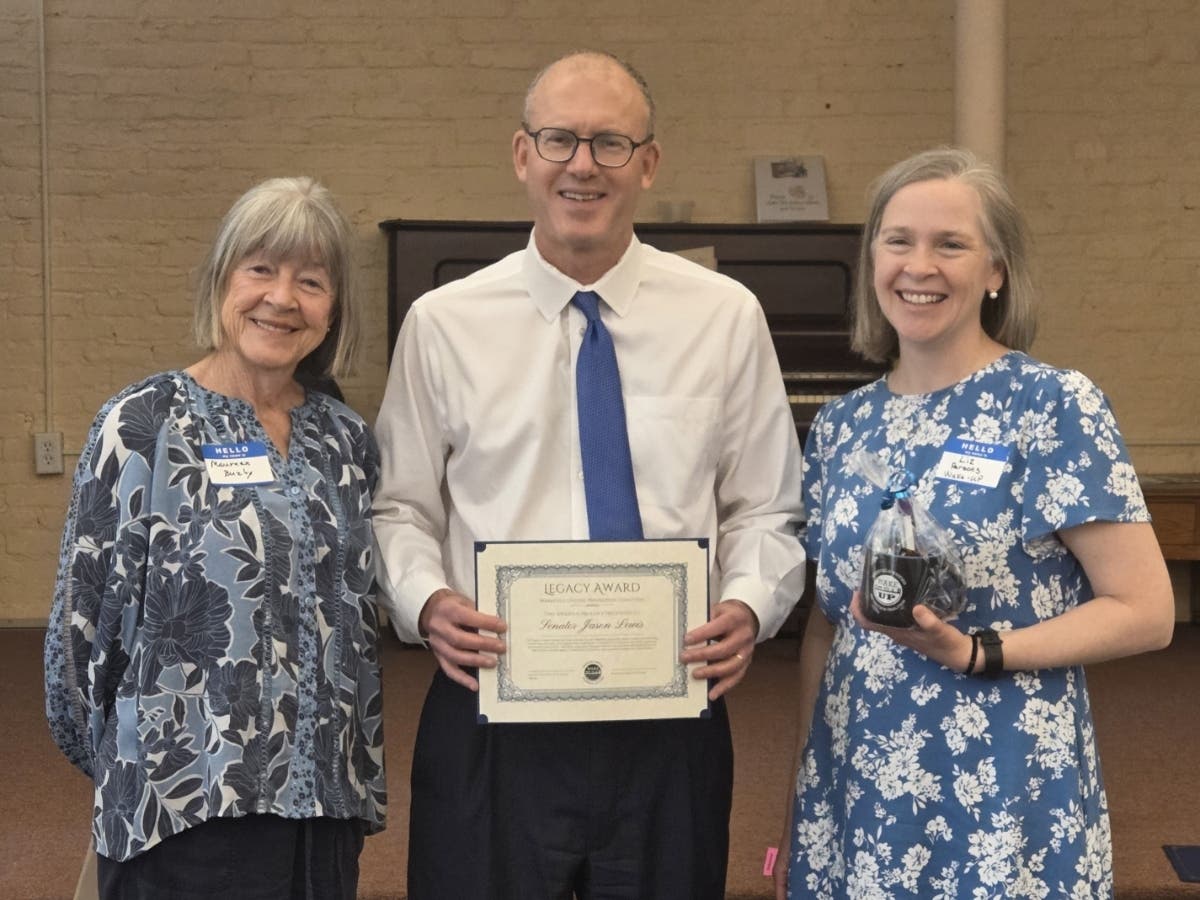
BOSTON—State Senators Jason Lewis and Pat Jehlen and State Representatives Michael S. Day and Michelle Ciccolo joined their colleagues in the Massachusetts Legislature to protect freedom of thought and expression in Massachusetts schools and public libraries by safeguarding open access to books and other educational materials.
As politically charged debates over book bans continue across the country, the law establishes clear guidelines for how schools and libraries select library materials. It also ensures families and community members continue to have a voice when they have concerns about library materials, all while setting a clear local process for reviewing these decisions.
According to the American Library Association’s Office for Intellectual Freedom (OIF), 4,235 unique titles faced challenges in 2025, the second-highest number on record after 2023. Of those titles, 1,671 (39%) represent the lived experiences of LGBTQIA+ people and people of color. Pressure groups, government officials, and decision-makers initiated 92% of all book challenges in 2025, up from 72% in 2024. Individual parents initiated fewer than 3% of challenges. OIF documented 5,668 books banned from libraries in 2025, accounting for 66% of all challenged titles. Libraries also censored another 920 books through access restrictions, such as relocation or requirements for parental permission. Together, these figures mark both the highest number of titles censored in a single year and the highest rate of challenges resulting in censorship from 1990–2025.
Find out what's happening in Winchesterfor free with the latest updates from Patch.
“In our increasingly polarized society, protecting freedom of expression and the right to read are of paramount importance,” said Senator Jason Lewis. “Malicious and politically motivated book bans are being used to silence the voices and stories of diverse and underrepresented authors in our communities, but this new law establishes clear policies and transparent review processes to defend literature and freedom of thought from political attacks.”
“Massachusetts is the home of the public in the United States, and our libraries operate under the principle that access to books and different viewpoints are the foundation of an educated population,” said Representative Michael S. Day. “Banning books is antithetical to that principle and is contrary to who we are. This law builds on that tradition by ensuring that students can explore different ideas and experiences while protecting the professional judgment of educators and librarians.”
Find out what's happening in Winchesterfor free with the latest updates from Patch.
“The federal administration’s attacks on education and movement towards censorship and book bans have no place in Massachusetts,” said Senator Patricia Jehlen. “I have seen writers from my district affected by these threats. I am glad this bill was passed through the legislature to protect the freedom to read and protect the librarians who make that freedom possible.”
“Access to a wide variety of information and viewpoints from a young age is critical to a healthy and functioning democracy,” said Representative Michelle Ciccolo. “This law will provide the support needed for libraries and schools to deal with increasing efforts to ban books and restrict access to information.”
Highlights of the free expression legislation include:
- Sets clear standards for school library materials. Materials must be age-appropriate, serve an educational purpose, and be chosen based on a teacher or employee’s professional training. Personal, political, or doctrinal views cannot determine whether staff select a book. Each school district must adopt a library materials policy consistent with American Library Association standards.
- Creates a clear process for challenging and removing books. Only school staff, parents or guardians, and students can formally challenge school library materials. The challenged book stays on the shelf until an official ruling. The process requires a public hearing, an inspection by a review committee of local school personnel, and a vote by the local school committee before removing a book. Students, parents, and guardians can challenge a removal decision in court.
- Helps municipal public libraries develop fair policies. Directs the Board of Library Commissioners to provide resources to assist local public libraries in developing policies that cover the selection and use of library materials, the development of library collections, and the process to respond to any challenges to remove or restrict access to books and other materials. The law requires policies to include a statement that library materials shall not be selected, proscribed, or removed based on personal, political, or doctrinal disapproval or bias.
- Creates an appeals process for public library decisions. Authors, creators, and residents of a city or town can appeal decisions to remove materials from a municipal public library through Superior Court.
- Protects librarians who act in good faith. Librarians who select materials in good faith and follow local policies cannot face professional, civil or criminal penalties based on their selection.
- Tracks book challenges statewide. The law requires schools and public libraries to collect data on book challenges and their outcomes, giving the state a clearer picture on how these decisions affect communities.
The Massachusetts Senate and House of Representatives both passed the legislation before Governor Maura Healey signed it into law on August 10, 2026.