Health & Fitness
Winchester at 'Moderate Risk Level' After First Human Case of West Nile Announced
BREAKING: Winchester is at a "moderate risk level" after it was announced that a Middlesex County resident had contracted West Nile Virus.


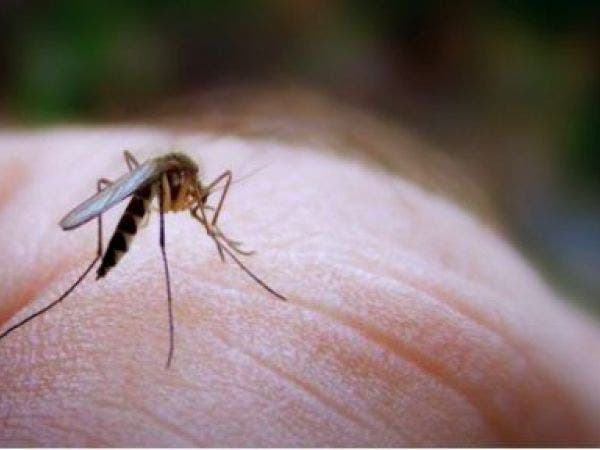
WINCHESTER, MA — The first human case of West Nile Virus in the state this year was discovered on Tuesday, and the town announced Wednesday that Winchester is at a "moderate risk" level.
The patient is a resident of Middlesex County in her 70s who was diagnosed with WNV through testing completed by the Massachusetts State Public Health Laboratory. The patient remains hospitalized, according to officials.
Winchester residents are asked to take precautions to avoid mosquito bites.
Find out what's happening in Winchesterfor free with the latest updates from Patch.
DPH is investigating to determine where the woman was exposed to infected mosquitoes. Assessment of WNV risk areas will depend on the findings of that investigation.
“This is peak season in Massachusetts for possible West Nile virus infection in humans,” said DPH State Public Health Veterinarian Dr. Catherine Brown in a statement. “The high temperatures and drought conditions that we’ve seen are resulting in elevated populations of the type of mosquitoes that are most likely to spread WNV. That’s why it is more important than ever to take steps to avoid mosquito bites by using repellents, covering up to reduce exposed skin, dumping standing water around the house and moving indoors at dusk when mosquito activity reaches its peak.”
Find out what's happening in Winchesterfor free with the latest updates from Patch.
In 2015, there were ten human cases of WNV infection identified in Massachusetts, said the announcement.
WNV is usually transmitted to humans through the bite of an infected mosquito. While WNV can infect people of all ages, people over the age of 50 are at higher risk for severe disease. Most people infected with WNV will have no symptoms. When present, WNV symptoms tend to include fever and flu-like illness. In rare cases, more severe illness can occur.
The Department of Public Health shared the following tips to protect against West Nile:
Avoid Mosquito Bites
Apply Insect Repellent when Outdoors. Use a repellent with DEET (N, N-diethyl-m-toluamide), permethrin, picaridin (KBR 3023), oil of lemon eucalyptus [p-methane 3, 8-diol (PMD)], or IR3535 according to the instructions on the product label. DEET products should not be used on infants under two months of age and should be used in concentrations of 30% or less on older children. Oil of lemon eucalyptus should not be used on children under three years of age.
Be Aware of Peak Mosquito Hours. The hours from dusk to dawn are peak biting times for many mosquitos. Consider rescheduling outdoor activities that occur during evening or early morning.
Clothing Can Help Reduce Mosquito Bites. Wear long-sleeves, long pants, and socks when outdoors to help keep mosquitos away from your skin.
Mosquito-Proof Your Home
Drain Standing Water. Mosquitos lay their eggs in standing water. Limit the number of places around your home for mosquitos to breed by either draining or discarding items that hold water. Check rain gutters and drains. Empty any unused flowerpots and wading pools, and change water in birdbaths frequently.
Install or Repair Screens. Keep mosquitos outside by having tightly-fitting screens on all of your windows and doors.
Protect Your Animals
Animal owners should reduce potential mosquito breeding sites on their property by eliminating standing water from containers such as buckets, tires, and wading pools – especially after heavy rains. Water troughs provide excellent mosquito breeding habitats and should be flushed out at least once a week during the summer months to reduce mosquitos near paddock areas. Horse owners should keep horses in indoor stalls at night to reduce their risk of exposure to mosquitos. Owners should also speak with their veterinarian about mosquito repellents approved for use in animals and vaccinations to prevent WNV and EEE. If an animal is diagnosed with WNV or EEE, owners are required to report to DAR, Division of Animal Health by calling 617-626-1795 and to the Department of Public Health (DPH) by calling 617-983-6800.
Get more local news delivered straight to your inbox. Sign up for free Patch newsletters and alerts.