By Talene Bush, Intern, Shepherd Financial Partners
One of the most powerful and exciting privileges of growing up is being able to buy what you want. The significantly less exciting but integral part of this experience, involves learning and understanding the responsibility that comes along with financial independence. This activity may prove challenging for parents and offspring alike.
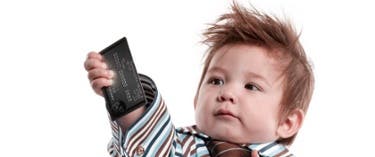
Before you consider extending your child’s purchasing power through a credit card, it is important to be sure they connect their actions, spending, with the consequences, having less (or no!) money to spend on other things. Once this connection is made, there are many reasons to begin thinking about allowing your child to use a credit card.
Find out what's happening in Winchesterfor free with the latest updates from Patch.
Creating Healthy Habits -- Teaching your children good habits and a healthy mindset with their credit cards is easiest while your children are still under your roof. They can hear what you say (and maybe listen!) and most certainly can see what you do (pay your bills). By enforcing timely payments of the entire month’s charges, you’ll be teaching your kids about money, and it will help them to avoid the 2 things that can hurt their credit score the most: high balances and late payments.
Building Credit -- Using credit wisely is a major part of establishing your financial credentials. Your child will soon be entering the ‘real world’ and a good credit score can help him/her qualify for loans, auto insurance, rental applications, cell phone plans and even a job.
Find out what's happening in Winchesterfor free with the latest updates from Patch.
Communication about Money -- It is critical that you have an open and comfortable dialogue with your children about money. There is no better way to get your point across then pulling out the bill and talking about the charges. Keep in mind, if they can afford it, no judgment. This is the time you can gently point out that even little things can add up and become a debt they cannot fully pay each month. For example, your child’s morning coffee addiction adds up to 84 dollars a month or over 1,000 dollars per year – that’s a real eye-opener!
Providing a Safety Net -- Stuff happens and having a credit card for emergency use is a great safety net. However, emergencies do not involve a sale at the mall or take-out for your buddies.
Teaching The Terms
You know your child best: are they responsible or impulsive? It is crucial they become familiar with credit card terms before they pick which one is right for them. Part of being a young adult is making the occasional mistake and learning from it. Unfortunately, each “learning opportunity” stays on a credit report for 7 years.
It’s important not to sit back; be sure to provide your child with the knowledge and the tools they need to succeed. By taking a few minutes to educate them now, you can prevent mistakes before they happen.
Annual Fee –An annual (yearly) fee charged by a credit card company each year for use of a credit card. This is a separate fee from interest rate on purchases. Not all credit cards have an annual fee.
APR –The annual percentage rate, or APR, is the interest rate charged on the amount borrowed. It reflects the annual cost of borrowing money. It is important to emphasis to your child, if not paid in full at the end of the month his/her $4 latte will start becoming more and more expensive to pay back. (How much does it become?)
Credit Limit- The credit limit refers to the maximum amount a credit card company will allow someone to borrow on a single card. Credit limits are usually determined based upon information contained in the application of the person seeking credit, or that person’s existing credit rating.
Credit Score- A credit score is a numerical expression, based on a level of analysis based on a persons credit files, to represent the creditworthiness of the person. A credit score is a number representing the creditworthiness of the applicant. Credit card companies, use credit scores to evaluate the potential risk posed by lending money to consumers and to mitigate losses due to bad debt.
Grace Period- The grace period is the time during which you are allowed to pay your credit card bill without having to pay interest. A typical grace period is 15 days.
Variable Interest Rates- With variable-rate cards, your APR (annual percentage rate) can change. Usually, the rate is tied to another rate called an index. So if you see a headline that says, “Fed raises interest rates” it means your cost of carrying a balance on your credit card likely just went up. For example, your credit card contract might say your rate is “Index + 10.99 percent.” If the prime rate is your index and is at 4 percent, your card’s interest rate is 14.99 percent.
The Bottom Line
Most importantly, teach your kids that when you borrow, you make a promise to repay. If they follow best practices to spend less than they make and pay their balances off in full every month, there shouldn’t be any problems down the road.
The opinions voiced in this material are for general information only and are not intended to provide specific advice or recommendations for any individual.