Politics & Government
MA Coronavirus: What You Need To Know About Unemployment Benefits
Residents who have lost their jobs, or who are sick or quarantined, may qualify for certain benefits.


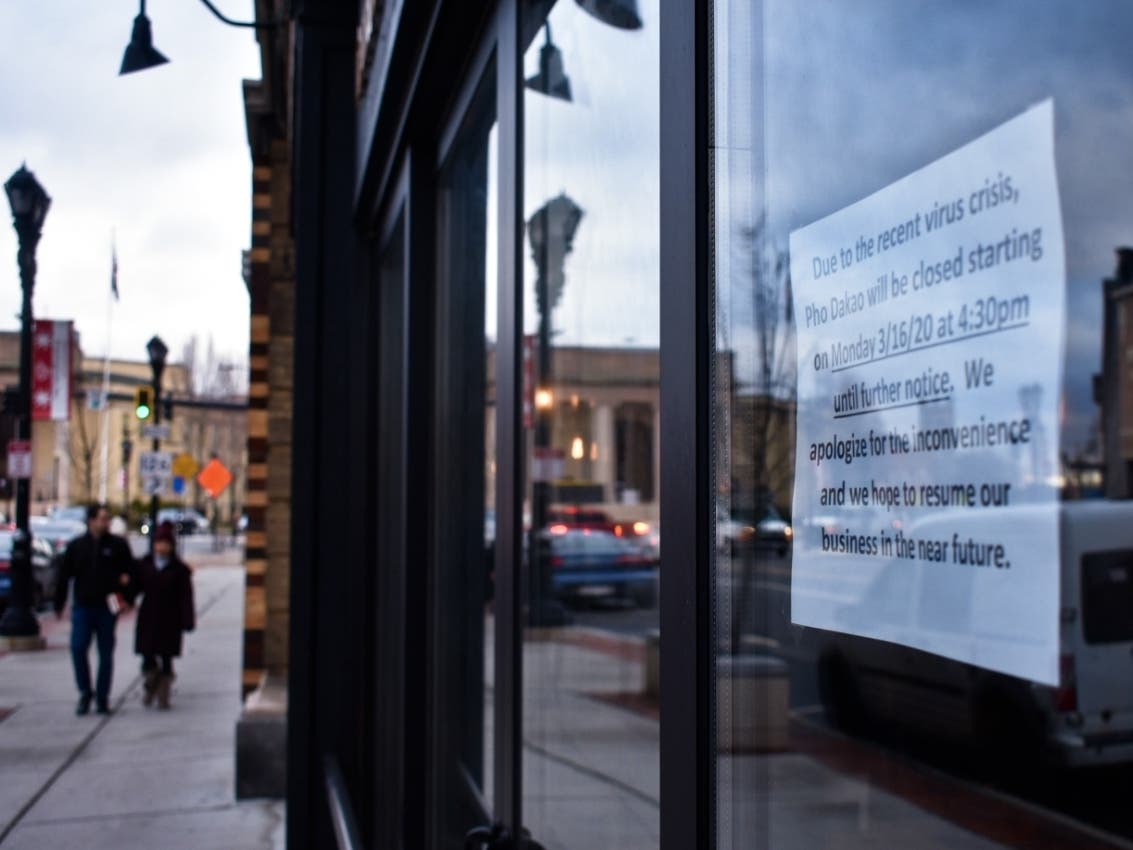
The new coronavirus and associated shutdowns are hitting the state hard, and that includes workers. Nearly 20,000 Massachusetts residents filed for unemployment Monday, more than the total number in February. If you've lost your job or had to leave work because of the new virus, you may be eligible to receive unemployment benefits.
Filing for unemployment is already complicated enough, but the state has made a few changes to expand the program during the crisis. Keep reading for information on how to get your benefits.
What's changed?
Find out what's happening in Woburnfor free with the latest updates from Patch.
The governor signed a bill Wednesday waiving the normal one-week waiting period for unemployment benefits for job losses related to the new virus. The state has also created emergency rules allowing unemployment benefits during temporary workplace shutdowns. And workers who are quarantined or who leave their jobs due to infection risk or to care for family members can get benefits as well.
At the same time, the options for applying have narrowed, because the state has shut down its in-person application centers as part of efforts to slow the spread of the virus.
Find out what's happening in Woburnfor free with the latest updates from Patch.
Do I qualify?
- Have lost a job, or a significant number of hours, through no fault of your own
- Earned at least $5,100 over the last four quarters
- Be able and available to work
- Actively look for work
If you work full- or part-time at a business that's temporarily shut down for the outbreak, you can qualify.
There are also exceptions for the state of emergency. You don't need to have lost your job: if you're being quarantined by a civil authority or a medical professional, or you left your job due to "reasonable" risk of exposure or infection or to care for a family member, you can get benefits now.
Certain types of workers do not qualify.
How can I apply for unemployment insurance?
"The fastest way to file a claim is to apply for unemployment benefits online," according to a state website.
People with special needs, disabilities, or language difficulties can enter their information here and be placed in a queue to receive a call from the department of unemployment assistance.
In-person services are unavailable, in an attempt to reduce the spread of the new virus.
What do I need to apply?
You'll need personal information including "personal information including your Social Security number, birth date, home address, email address (optional), and phone number" and work history information including:
- "Names of all employers, plus addresses and phone numbers
- Reasons for leaving those jobs
- Work start and end dates
- Recall date (if you were laid off but have a set date to return to work)"
What if my employer is temporarily shut down?
There are certain requirements to receive unemployment if your employer is shutdown temporarily:
- "Workers must remain in contact with their employers during the shutdown.
- Workers must be available for any work their employer might have that they are able to do.
- An employer may request an extension of the covered shutdown period to eight weeks, and workers will remain eligible for the longer period under the same conditions described above.
- If necessary, [the department of unemployment assistance] may extend these time periods for workers and employers. "
What if I'm quarantined?
Unemployment benefits are available to workers who are quarantined by a civil authority or a medical professional, or who leave employment due to risk of infection or to care for a family member.
"The worker need not provide medical documentation and need only be available for work when and as able," according to the state's new coronavirus unemployment guide.
Other coronavirus changes
The state has imposed a number of other rule changes during the outbreak:
- "All requirements regarding attendance at seminars at MassHire career centers have been suspended.
- Deadlines missed by employers and claimants due to effects of COVID-19 may be excused under DUA’s good cause provision.
- Employers whose businesses are severely affected by COVID-19 can request extensions for filing and paying unemployment contributions.
- “Worksearch” requirements will be interpreted to appropriately permit claimants affected by COVID-19 to collect benefits.
- All appeal hearings will be held by telephone only."
What happens after I file?
Processing usually takes three to four weeks. Once your unemployment application is approved, you have to request your benefits weekly. Usually they begin the week after you apply, but that week-long waiting period has been temporarily suspended.
How much do I get?
Benefits are based on your income. The weekly benefit is approximately half your average weekly wage, up to $823.
How long do I get them?
Don't miss updates about precautions in your area as they are announced. Sign up for Patch news alerts and newsletters.
Coronaviruses are a family of viruses that include the common cold as well as much more serious diseases. The strain that emerged in China in late 2019, now called COVID-19, is related to others that have caused serious outbreaks in recent years, including severe acute respiratory syndrome (SARS) and Middle East respiratory syndrome (MERS). The first confirmed case of COVID-19 in the U.S. was on Jan. 21.
The disease, which apparently originated in animals, is now transferring from person to person, although the mechanism is not yet fully understood. Its symptoms include fever, coughing and shortness of breath, and many patients develop pneumonia. There is as yet no vaccine against COVID-19 it and no antiviral treatment.
According to the CDC, the best way of preventing the disease is to avoid close contact with people who are sick, to avoid touching your eyes, nose, and mouth with unwashed hands, to wash your hands often with soap and water for at least 20 seconds, and to use a hand sanitizer that contains at least 60 percent alcohol if soap and water are not available.
To avoid spreading any respiratory illness, the CDC recommends staying at home when you are sick, covering your cough or sneeze with a tissue and throwing the tissue in the trash, cleaning and disinfecting frequently touched objects and surfaces.
Get more local news delivered straight to your inbox. Sign up for free Patch newsletters and alerts.